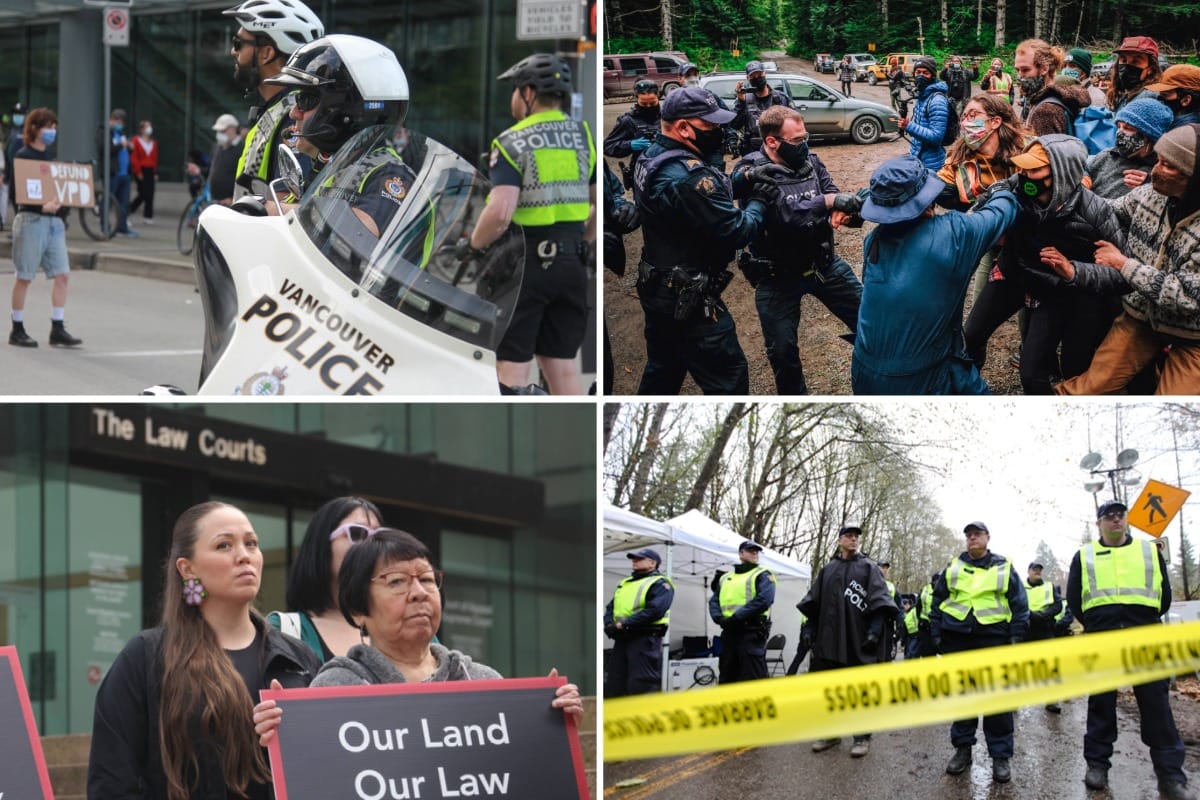
Vancouver cops are calling border enforcement more than ever. Community members fear that puts them in danger
Migrant sex workers say they're ‘more afraid of police than perpetrators of a crime,’ as new data reveals VPD ‘immigration status checks’ spiked 80% to nearly 1,000 people in two years


After five years as duty counsel at Surrey’s immigration detention centre, Connie Campbell has noticed a troubling new trend emerging in recent years
In the past, transfers to the Canada Border Services Agency (CBSA) detention centre from Vancouver Police Department (VPD) custody usually followed an arrest for criminal charges.
“Our understanding was VPD, at least, had a policy of not checking [immigration] status unless there was some other reason to be detaining a person,” said Campbell, who practises criminal and immigration law at Edelmann & Co. Law Offices.
But since 2023, she told De Facto, something shifted.
“They seem to be running status checks on anyone they have an interaction with,” Campbell said, “if they suspect there could be an immigration issue.
“Even if somebody hasn't done anything for which there's probable cause to arrest — or reasonable suspicion that a crime has been committed — and there's no other grounds to arrest somebody, they will run a status check.”
CBSA data obtained by De Facto via an access-to-information request corroborates Campbell’s account.
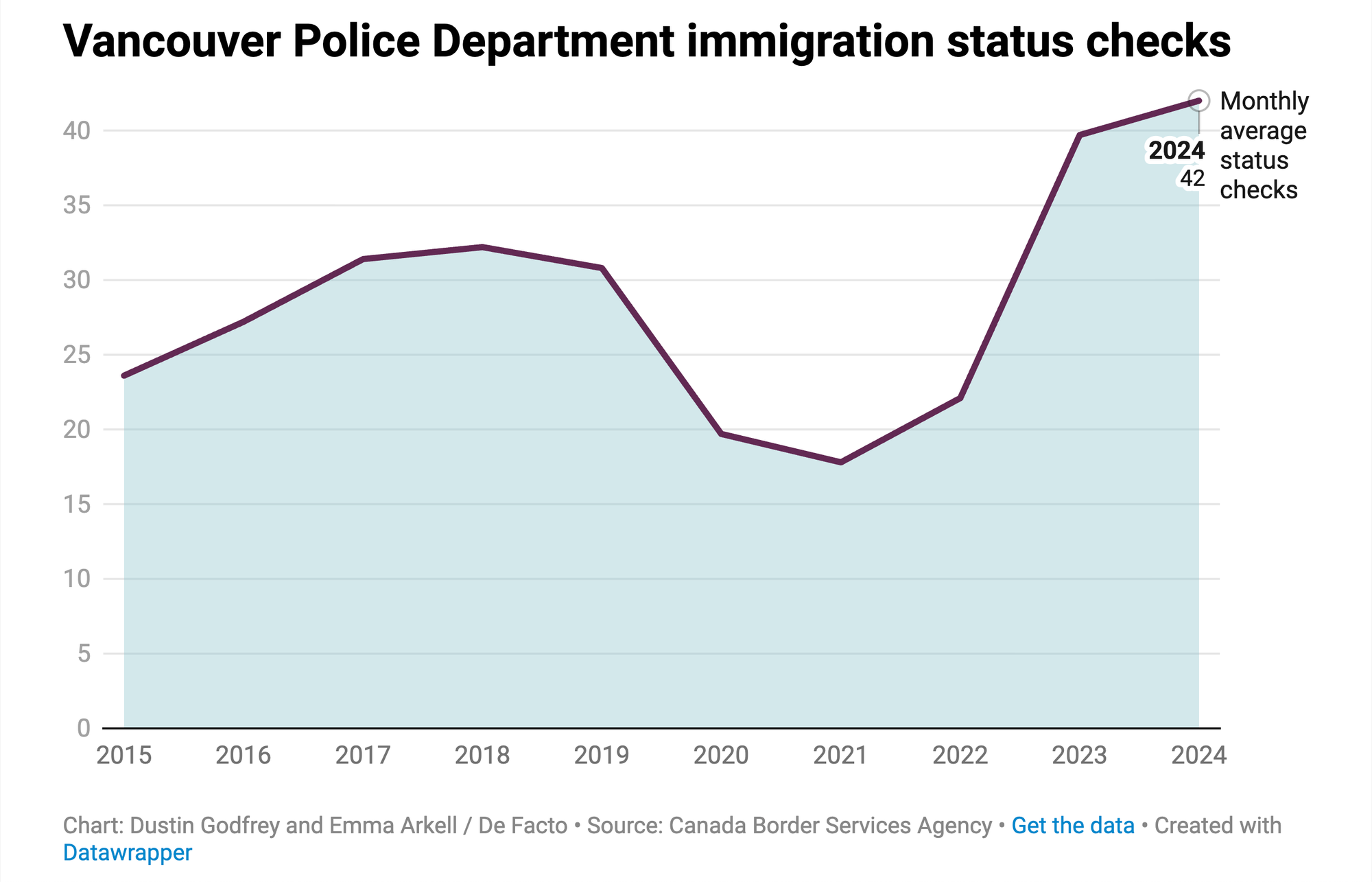
VPD has indeed called CBSA much more frequently since 2023 to check the immigration status of people they interacted with.
De Facto spoke to multiple experts — both people impacted, and advocates who work with them — who independently confirmed they have seen similar trends.
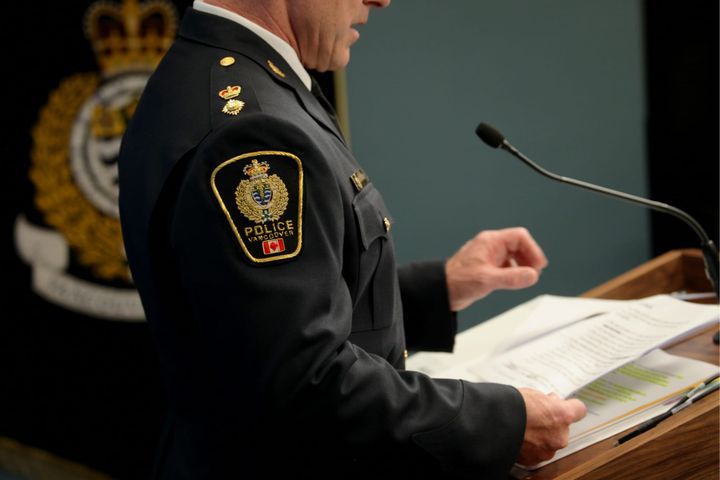
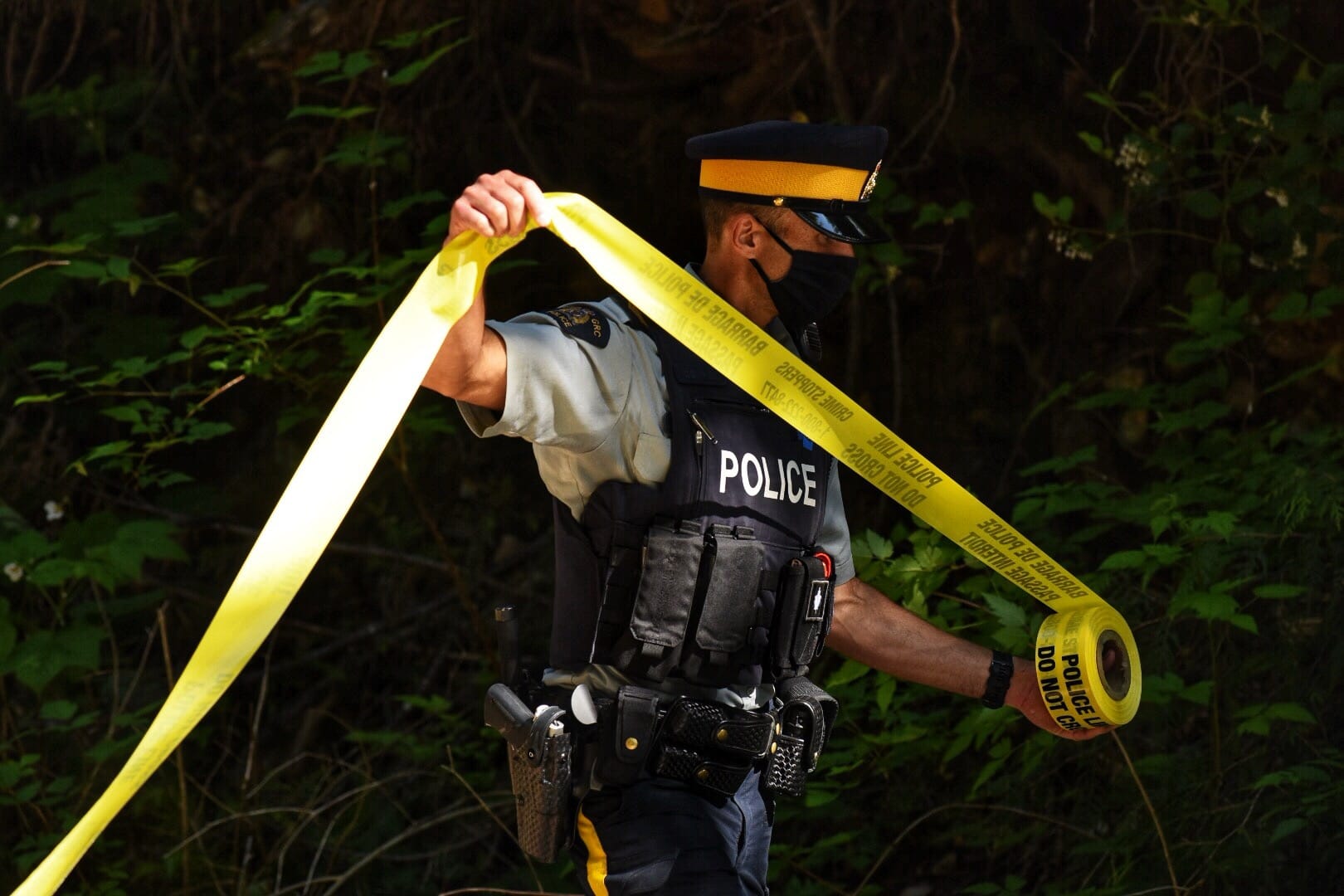
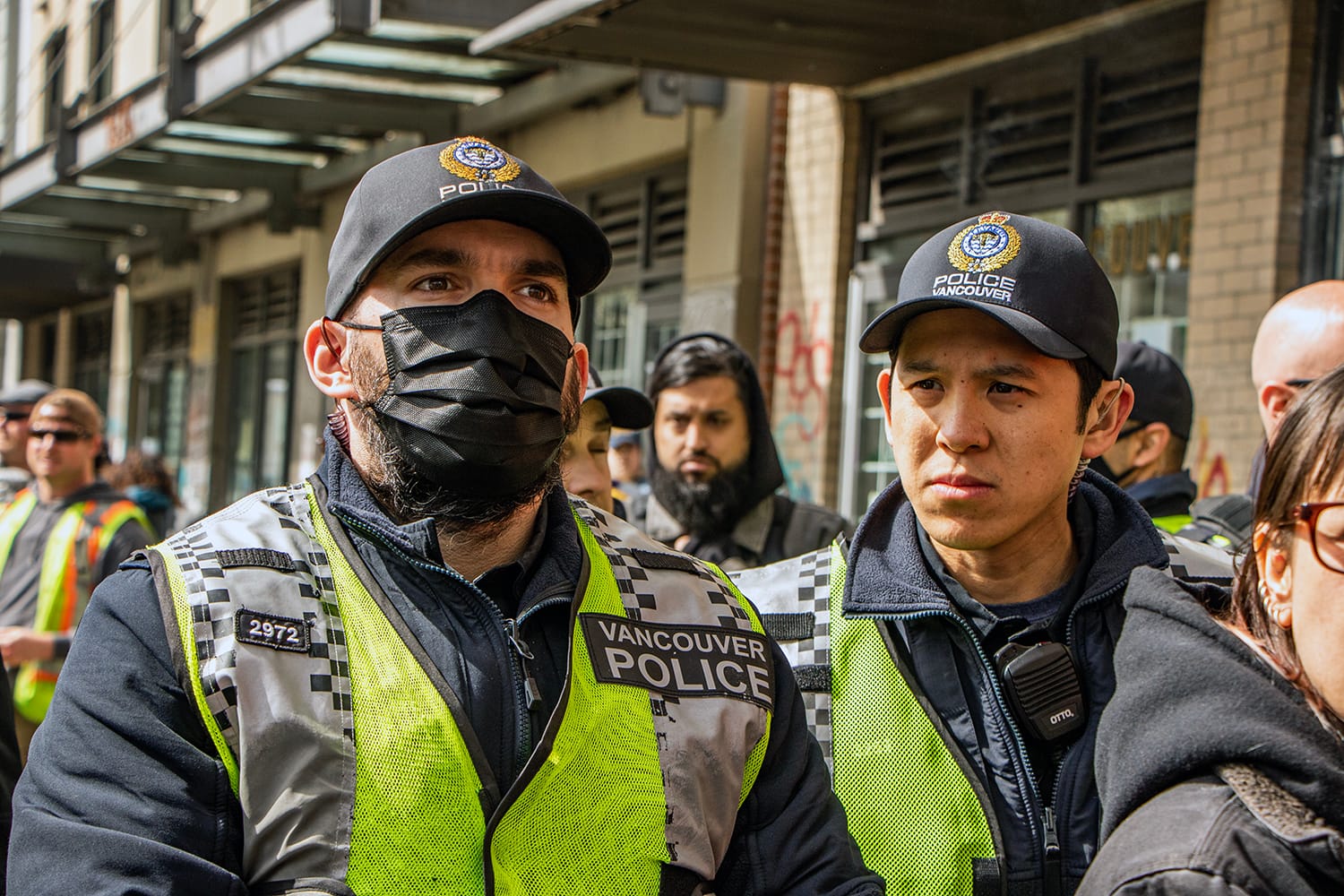
In a statement, VPD spokesperson Const. Darren Wong wrote that officers may reach out to CBSA to check a person’s immigration status during a “lawful interaction” if they have reason to suspect the person is in Canada illegally.
But he denied that there has been any policy change at the department. Campbell said her experience suggests the opposite.
Some advocates believe the timing of VPD’s increased immigration status check calls, following the late-2022 municipal election of a city council and mayor, most of whom campaigned with the support of the Vancouver Police Union, is no coincidence.
At particular risk, advocates say, are migrants who are unhoused, those who can’t afford transit fare, sex workers, and even drivers apprehended during routine traffic stops.
READ MORE:

The effect of the spike in status checks hasn’t just heightened Vancouverites’ risk of deportation.
It’s also created what they describe as what they describe as a dangerous environment for people living and working in the city with precarious or undocumented status.
That’s because victims of violence are less likely to call the police if they’re threatened.
And perpetrators of violence know this, according to sex workers who say abusers are able to target migrant sex workers with impunity.
An 80% spike in VPD immigration checks
In 2023, the VPD called CBSA for immigration status checks 476 times, an increase of 80% from the previous year, when the department made only 265 status-check calls.
That represents more than nine calls to immigration authorities every week that year.
The rate of such calls remained consistent in the first 11 months of 2024 — the most recent data provided to De Facto — when VPD made 462 status check calls to CBSA.
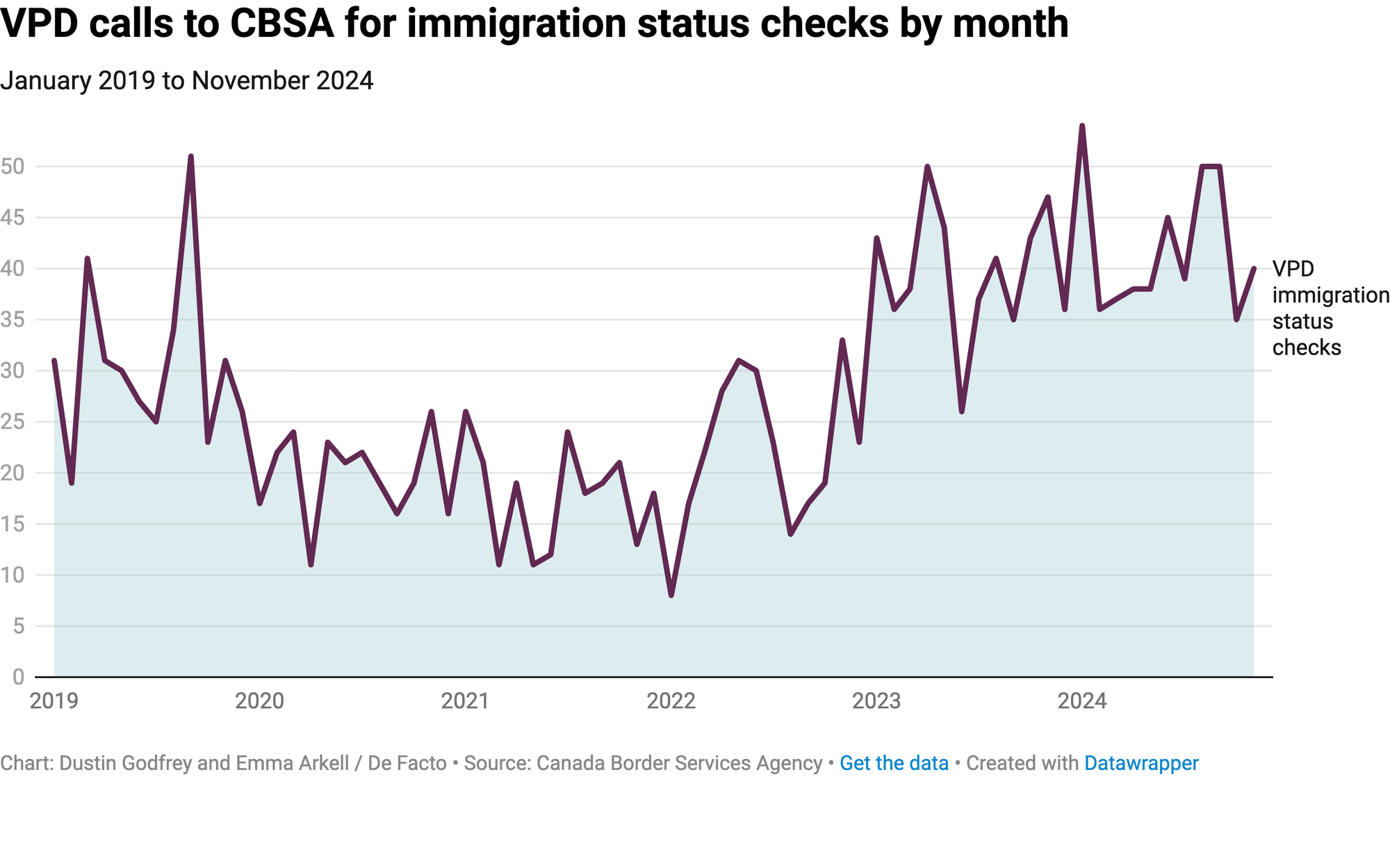
Predictably, during the height of the COVID-19 pandemic police calls to CBSA fell in 2020 and stayed down through 2022.
But even when the number of calls in 2023 and 2024 are compared to pre-pandemic levels, the increase since 2023 remains significant.
The average number of status check calls every month in 2023-24 was 41% higher than the monthly average from 2015-2019.
Other policing jurisdictions in the Lower Mainland, including Surrey, New Westminster, West Vancouver, and Port Moody, did not see a noticeable increase in calls in 2023 or 2024.
According to the newly obtained CBSA documents, law enforcement officers make status check calls “to determine the status of an individual they have in custody or who is under criminal investigation or subject to an enforcement proceeding.”
Officers may also make a status check call to validate immigration or travel documents. After a call, CBSA may then “initiate court tracking for a foreign national or a permanent resident facing criminal charges.”
Deportations at their highest in a decade
But as Campbell noted, VPD doesn’t appear to have limited their status-check calls to people in their custody.
She described an increase in people brought into immigration detention without any criminal charges since late 2022 — shortly after Vancouver’s Mayor Ken Sim assumed office that November.
During his 2022 mayoral campaign, Sim pledged to hire 100 police officers and 100 mental health nurses. The Vancouver Police Union endorsed Sim, the first time it’s endorsed a mayoral candidate in its 104-year history.
Two years later, only 35 nurses have been hired, and the hiring goal for nurses has been lowered to 55.
However, in that same period, the VPD has hired new 179 officers.

Advocates warn that Ottawa’s recently passed Bill C-12 — which grants sweeping new deportation powers to the immigration minister — will only embolden police to crack down on immigrants, whether or not they’ve committed any offence.
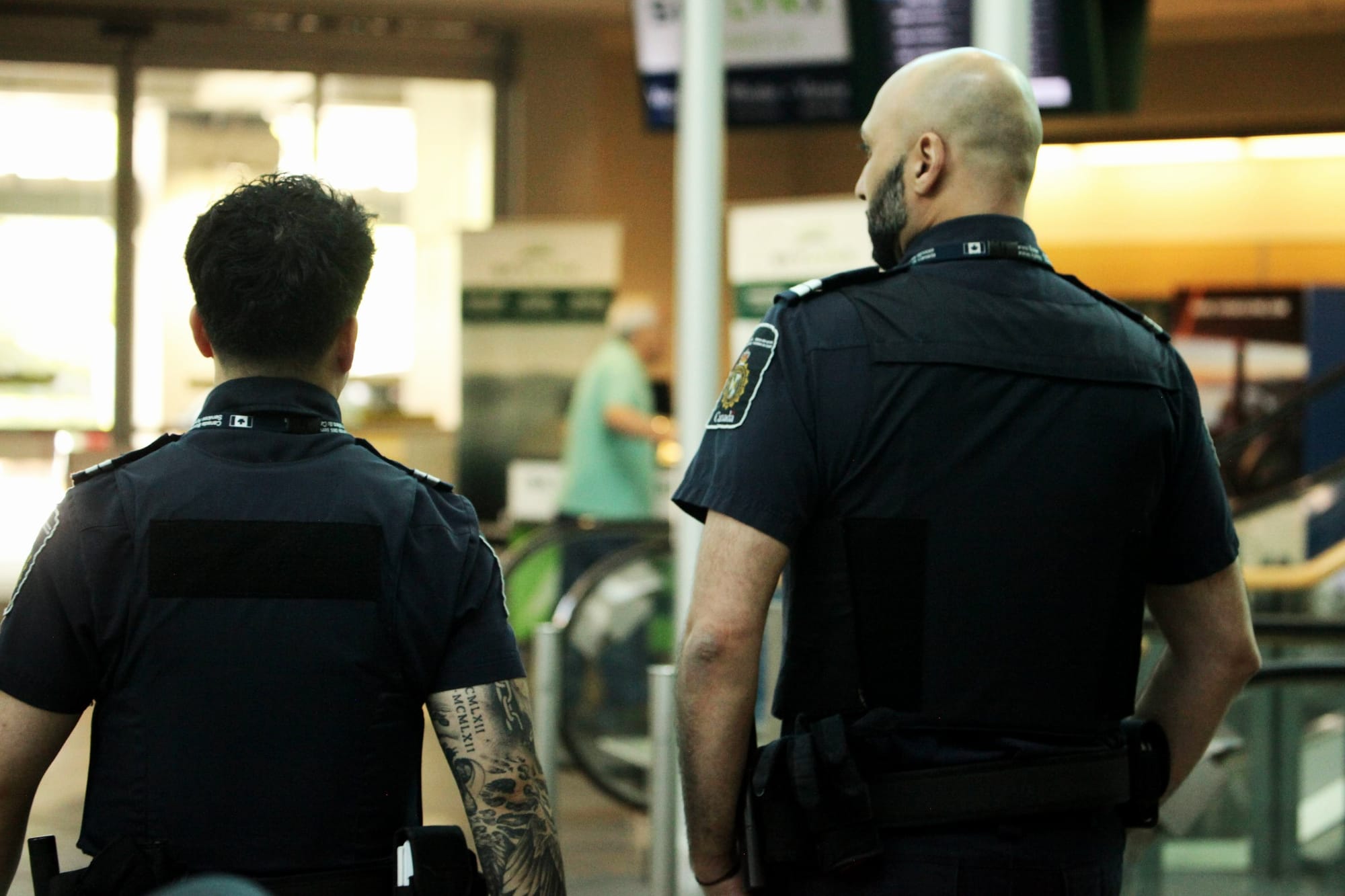
Deportations have increased to the highest point in a decade, at 400 per week, with Canadian Association of Refugee Lawyers president Aisling Bondy telling CBC that the increase was attributed “overwhelmingly” to refugee claimants being removed from the country.
And a wide range of groups have railed against the recently passed Bill C-12, calling it an assault on migrant rights that mirrors controversial anti-immigrant policies in the United States.
‘We hear from families sleeping on the street’
Campbell said the increase in status check calls since 2023 is “not at all surprising.”
Under normal circumstances, she said, the VPD will sometimes help CBSA arrest someone they know is here without status.
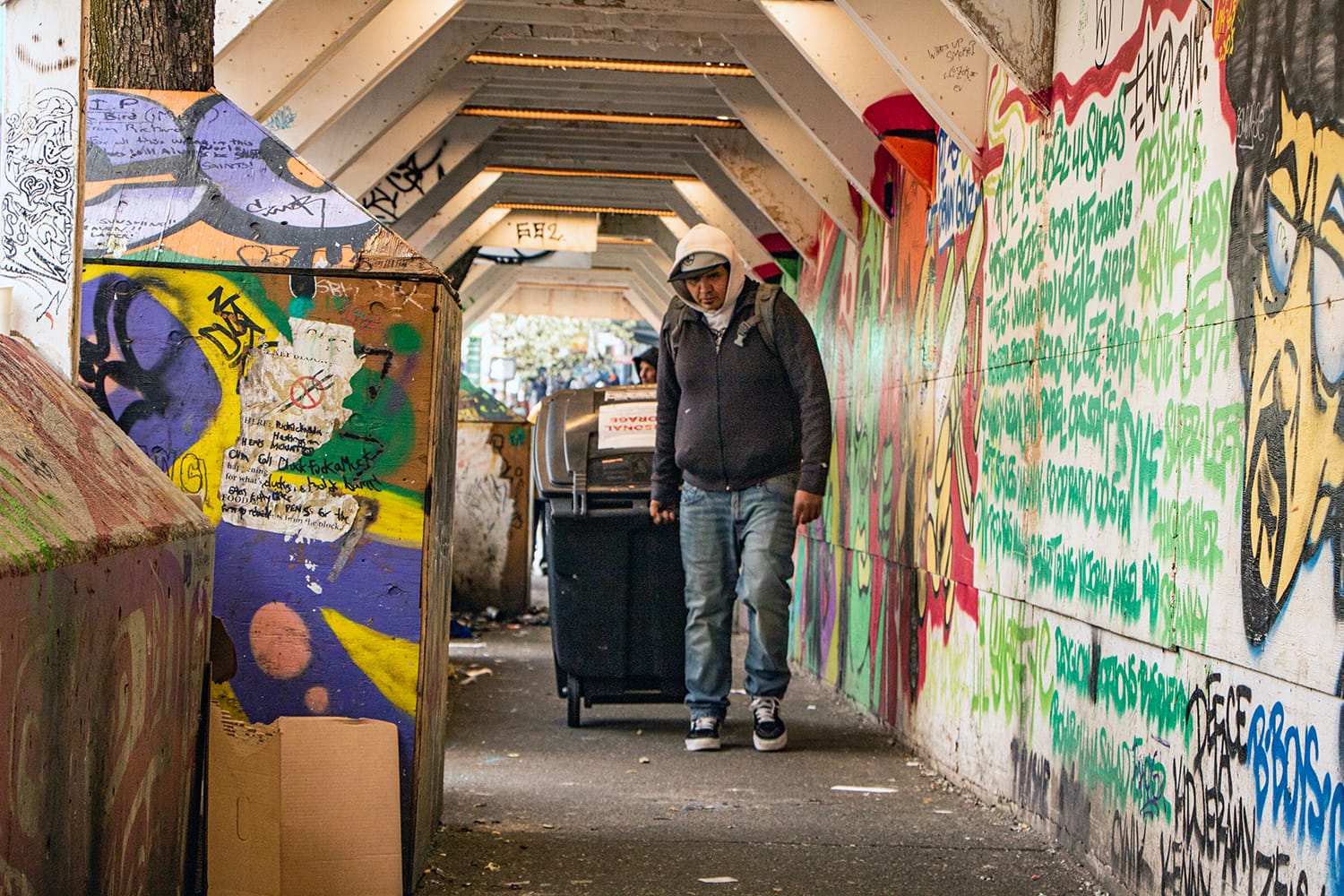
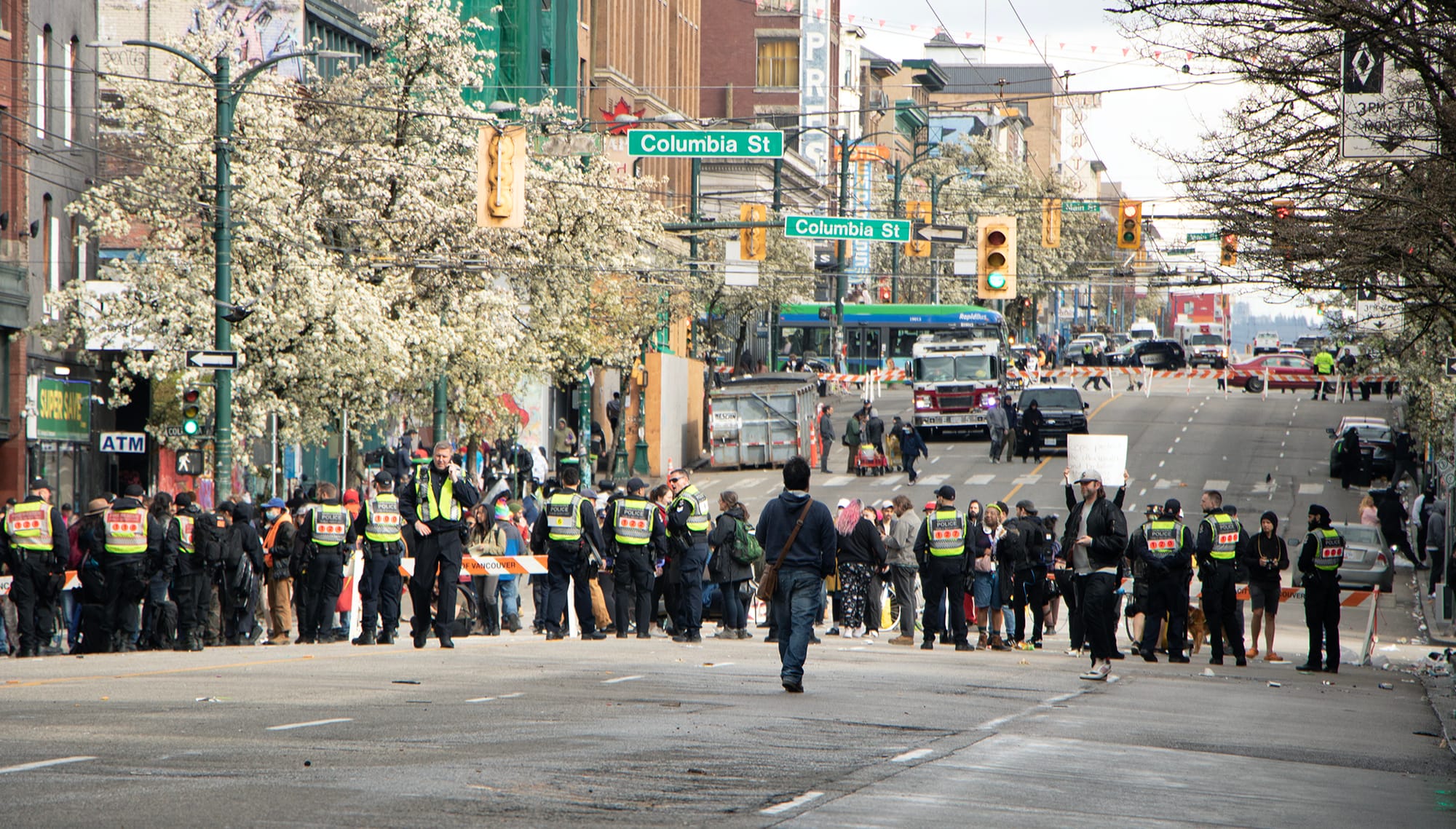
But increasingly, other interactions with police often result in people’s immigration status being checked with CBSA — even in traffic stops or encampment clearings.
“If somebody is having their possessions tossed or is being cleared out of an encampment,” Campbell said, “they're likely going to get a status check run on them.
“And I don't think that would have been the case years prior to 2023.”
If somebody is having their possessions tossed or is being cleared out of an encampment, they're likely going to get a status check run on them.
– Connie Campbell, Edelmann & Co. Law Offices
VPD media relations officer Wong said in an email that the police force’s role is to ensure the City of Vancouver staff “are safe and free to execute their duties.”
But Campbell countered that the way police officers interact with people who are unhoused or have precarious living situations has also changed dramatically in recent years.
“The more that they're doing street sweeps, the more that they're trying to move … poor people out of public, the more likely they are to scoop up people without status,” said Campbell.
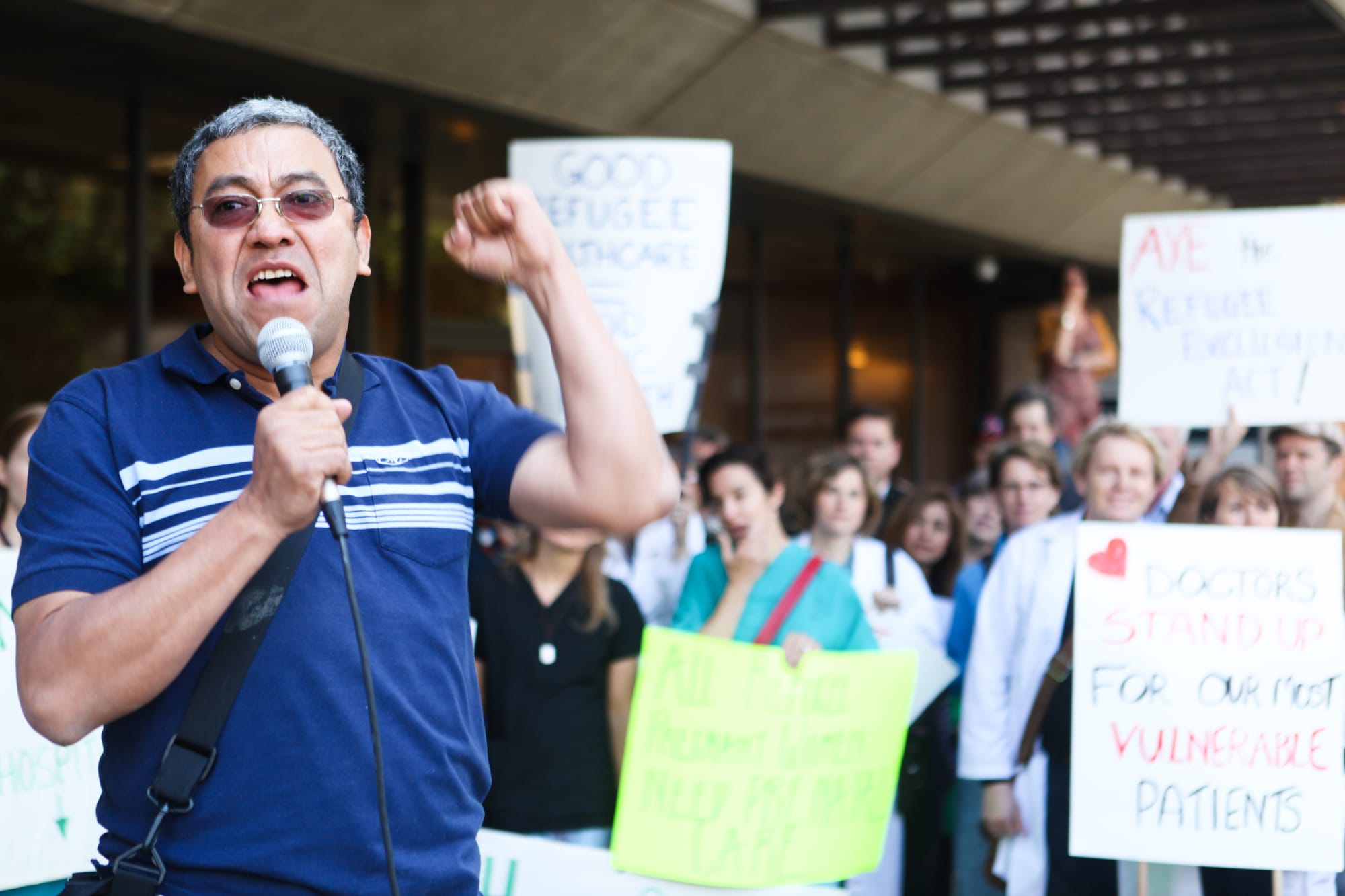
Byron Cruz is a member of Sanctuary Health, a grassroots collective that advocates for access to public services for immigrants, regardless of their status.
He told De Facto that Campbell’s concerns about unhoused migrants mirror what he and his colleagues have increasingly heard from the migrant community in the Lower Mainland, particularly as the cost of living has spiked over the past few years.
Cruz said he most often hears migrants express concerns about Transit Police. He said the rising cost of living, and TransLink’s recent fare-evasion enforcement campaign are squeezing migrants who are struggling to get by.
“We hear from families sleeping on the street,” said Cruz. “We did not hear that 10 years ago in terms of the migrant community.”
Support independent journalism that boldly shines a light on law, justice and rights. Sign up or donate today
Fellow Sanctuary Health member Omar Chu told De Facto traffic stops are a common point of contact with police that can lead to a CBSA status check.
If someone is pulled over in a work van or truck, and an officer sees they have tools, they will sometimes ask for the workers’ papers.
He said the data De Facto acquired is “consistent with our analysis and experience of the VPD over the past 10 to 12 years, where the VPD collaborates with the Canada Border Services Agency and has consistently refused to change that.”
“I witnessed in community plenty of migrants who get connected to VPD through different ways,” Chu said, “and then have ended up having the CBSA called on them.”
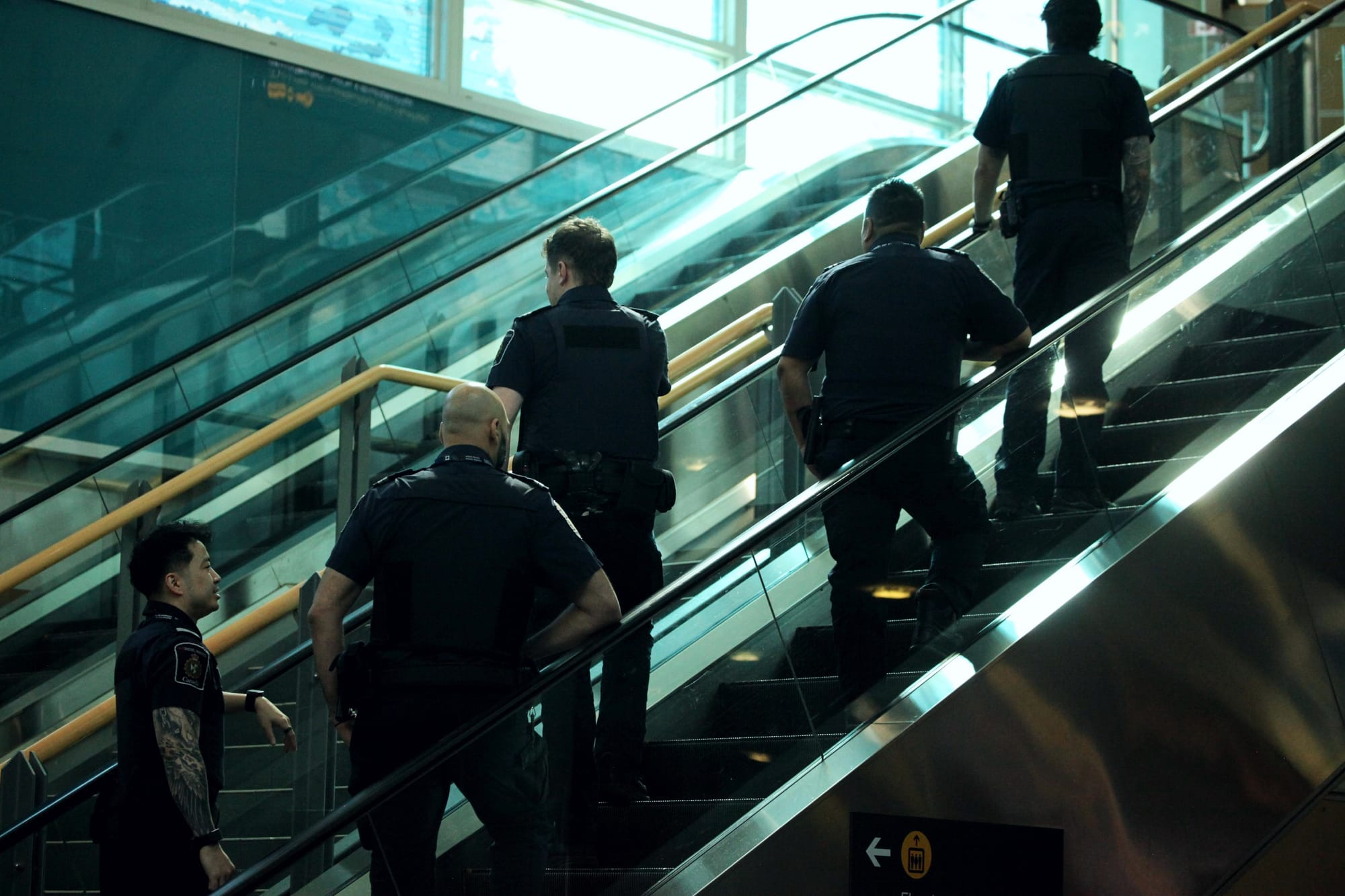
De Facto asked CBSA for data on the resulting immigration enforcement action — deportation, investigation, detention, and so on — connected to the status determination calls the agency got from the VPD.
But the federal agency did not provide data on those outcomes, instead directing De Facto to general deportation statistics available on CBSA’s website.
A representative from CBSA told De Facto the agency receives “tips and information related to Immigration Refugee Protection Act inadmissibility from various sources with varying degrees of detail.”
CBSA said it verifies information and decides which cases to pursue based on the facts of each case, its investigative priorities, and available supporting evidence.
“Ensuring that those who are inadmissible leave the country is critical to the integrity of Canada’s immigration system.”
‘Free rein’ for abusers
Cruz said he also hears about victims of violence, particularly women, who called 911 only to have VPD check their status — something Campbell has also heard.
Advocates, lawyers, and community members who spoke to De Facto agreed that this drives a growing fear of police among undocumented migrants, and makes people much less likely to call police when they are victimized.
In particular, Campbell said she has worked with sex workers who are afraid to call for help when clients, or people posing as clients, assault or rob them.
“They believe, and I think they have good reason to believe, that they’ll have a status check run on them,” Campbell said.
In a meeting in early February, De Facto spoke with three sex workers on an advisory committee for SWAN Vancouver — an organization that works with migrant sex workers — who said this dynamic places sex workers into a heightened risk of experiencing violence.
Due to fears of being criminalized, De Facto has agreed not to use the legal names of the sex workers, who spoke through SWAN’s interpreters.
One of those workers, who goes by the name Annie, said perpetrators know migrant sex workers fear immigration enforcement, and that is precisely why they target them.
Maggie noted abusers often know where to find workers with precarious or no status. She said one of her friends, who is in Canada on a visitor visa, was robbed twice in one week because the perpetrators knew she was more likely to have precarious or no status.
She added abusers are emboldened to keep coming back, knowing sex workers with precarious or no status won’t call the police.
Women have told us for years that they’re more afraid of police than perpetrators of a crime. So they don’t even want to report crimes because the consequences could be that they’re arrested or detained or deported
– Angela Wu, SWAN
Angela Wu, SWAN’s executive director, said sex workers’ experience is especially challenging because of the criminalization of sex work in Canada.
“We’ve even heard of situations where perpetrators who are robbing and attacking workers also threaten to call the police, which is so ridiculous,” Wu said.
“They’re perpetrating the crime, and yet they’re threatening to call police on the victims.”
She added that increasing immigration checks will only make the threats worse.
“It gives them free rein to continue doing what they’re doing without facing consequences.”
Wu said she hasn’t heard specifically about increasing immigration status checks from the community, but said the numbers are “quite alarming.”
“Women have told us for years that they’re more afraid of police than perpetrators of a crime,” she said.
“So they don’t even want to report crimes because the consequences could be that they’re arrested or detained or deported.”
That fear runs so deep that many women won’t even go to a hospital emergency room in medical emergencies, fearing someone might call the police on them, she added.
‘Even less access to justice’
VPD’s spokesperson Wong told De Facto the force follows guidelines to ensure victims can access police services without disclosing their immigration status.
“These guidelines were put in place with an understanding of the challenges that undocumented migrants face,” Wong wrote in a statement.
But Wu countered that sex workers and sex work advocacy groups hear “all the time” from VPD that police aren’t interested in immigration status.
“The reality is they’re the police; their job is to enforce the law,” she said. “Our laws pretty clearly put migrant sex workers at risk of being deported.”
That’s particularly concerning, Wu said, at a time when violence against sex workers is on the rise.
Last year was the most dangerous year in recent history for the community, as support and services for sex workers are on the decline.
“There were more hospitalizations from assaults, we were receiving a significant increase in calls to our abuser alert system,” Wu said. “They’re facing more violence, and they have even less access to justice.
“It’s unsettling to know that as they are experiencing violence and crime, they also face an increasing risk of being deported if they try to call the police.”
It’s unsettling to know that as they are experiencing violence and crime, they also face an increasing risk of being deported if they try to call the police.
– Angela Wu, SWAN
Zool Suleman, an immigration lawyer and executive director of StopIslamophobia.ca, said immigration status doesn’t just affect how undocumented people interact with police — it can also change how police interact with undocumented people.
When cops interact with undocumented workers, foreign students, or refugee claimants in the line of duty, “then all of a sudden the police might feel they have more power in the relationship,” he said.
“In a sense, immigration status is a proxy for the power dynamic,” Suleman added. “The problem becomes that when police interact with … racialized immigrants, the power balance is very unequal — and the ability for accountability is very low.
“Very few of those interactions attract scrutiny and investigation.”
This adds to an already broad power imbalance between racialized people and police.
“We could be permanent residents, we can even be citizens, but … we know that the police will act different with us,” Cruz said.
‘Policing-to-deportation pipeline’
While the number of police immigration status checks has sharply risen, there’s nothing new about the practice, according to Harsha Walia.
The Vancouver-based Punjabi organizer and writer has published several books on policing and immigration, most recently Border and Rule: Global Migration, Capitalism, and the Rise of Racist Nationalism.
“The policing-to-deportation pipeline has long been documented and is escalating all around the world,” said Walia, “because that is the nature of policing.”
“Policing is not just police and police agencies. It is all arms of law enforcement that criminalize, immobilize and — in the case of migrants — illegalize and deport.”
The increase in immigration status checks comes at a precarious time in Canada and internationally, with anti-migrant sentiments on the rise.
In recent years, blaming immigrants and immigration for various issues — from the housing crisis and youth unemployment to strains on shelters and food banks — has broken the confines of far right circles.
Today, those claims are shared regularly in the mainstream, including from a wide range of political parties.
Chu, with Sanctuary Health, described duelling policies that put more and more people in sight of law enforcement, including those with precarious status.
On the one hand, under-funding public services is leading to more homelessness; on the other, funding for law enforcement agencies has been through the roof, with more officers added to police forces across Canada.
“With the rise of the far right globally, and including in Canada, I think there’s a sense of impunity within law enforcement to act how they want,” Chu said.
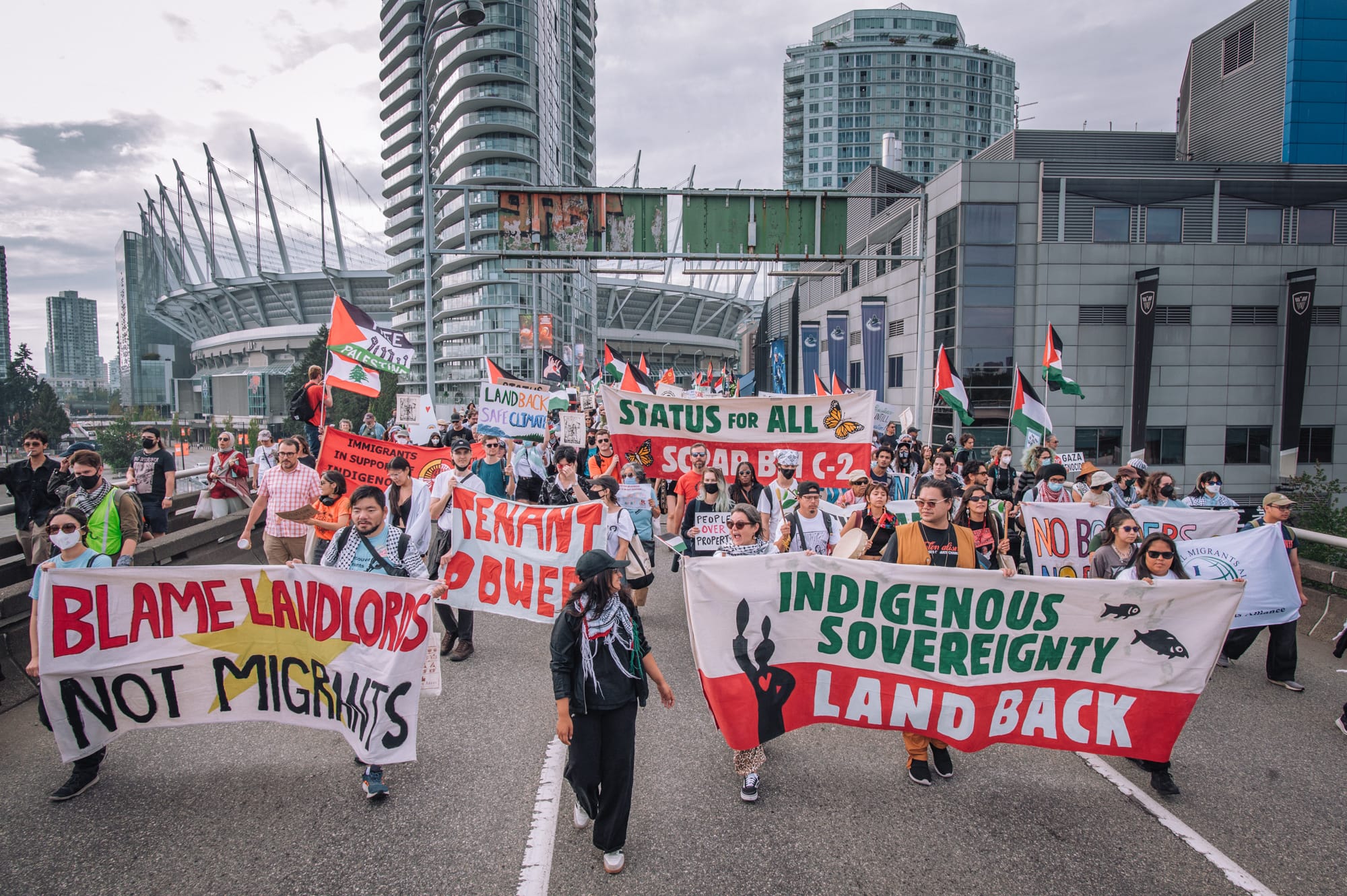
In recent years, a reactionary movement has successfully pushed for more policing and criminalization of unhoused people and drug users, in a backlash against harm reduction and housing-first policies — something Walia connects with the anti-migrant sentiment.
“We have a massive budget increase to the cops, we have a mayor who is obsessed with the VPD, and we have generally the rise in fascism,” Walia said, “which continues to build up the carceral state by targeting poor people, unhoused people, migrants, and attacks on communities that are considered others.”
She said Bill C-12 in effect “creates one of the largest machineries of deportation” in recent Canadian history.
People will be torn apart from their families, uprooted from the lives they’ve built here, separated from their families, from their children, and will be living in fear.
She pointed to restrictions on asylum claims, including closing exceptions to the Safe Third Country Agreement, and barring refugee claims from people who have been in Canada for more than a year, going back to 2020.
Perhaps most contentious, however, is the sweeping power it gives the immigration minister to cancel immigration status and applications en-masse without due process.
While Canadians often look with horror at the United States’ Immigration and Customs Enforcement (ICE), this country is not immune to similar harms to already vulnerable people here.
“It may not look like the horrors of ICE, where people are being kidnapped off the street, with extreme violence,” Walia said.
But the impact on migrant communities is the same, she said.
“People will be torn apart from their families, uprooted from the lives they’ve built here, separated from their families, from their children,” Walia warned, “and will be living in fear — and are living in fear — because of this massive machinery of deportation that Bill C-12 will entrench.”

Editor: Brishti Basu.

Emma Arkell
Emma Arkell (she/her) is a member of the De Facto co-operative and a reporter, photographer and documentary filmmaker based in so-called Vancouver, BC on Sḵwx̱wú7mesh, xʷməθkʷəy̓əm, and səlilwətaɬ territories. Her work has been featured in Chatelaine, Xtra, The Tyee, Jacobin, In These Times, The Maple, and Briarpatch Magazine. She's won awards from the Canadian Association of Journalists and Rafe Mair Award for Excellence in Journalism, and been a shortlisted finalist for a National Magazine Award and a Canadian Online Publishing Award.
Read her reporting

Dustin Godfrey
Dustin (they/them) is a De Facto member and a reporter based in so-called Vancouver, BC, on Sḵwx̱wú7mesh, xʷməθkʷəy̓əm, and səlilwətaɬ territories. Their work has also appeared in The Guardian, The Tyee, The Globe and Mail, The Maple, Filter Magazine and an independent newsletter where they’ve focused on policing, drug policy, health and housing. They've won awards from the Jack Webster Foundation, Canadian Community Newspaper Association, BC and Yukon Community NewsMedia Association. Read their reporting