‘Roots and tendrils beyond the big stories’: 6 journalists on 6 months as a worker co-op
Exclusive for subscribers: De Facto’s founders on roses, thorns, fungi, collective effervescence — and ‘how to make our stories have the most impact’
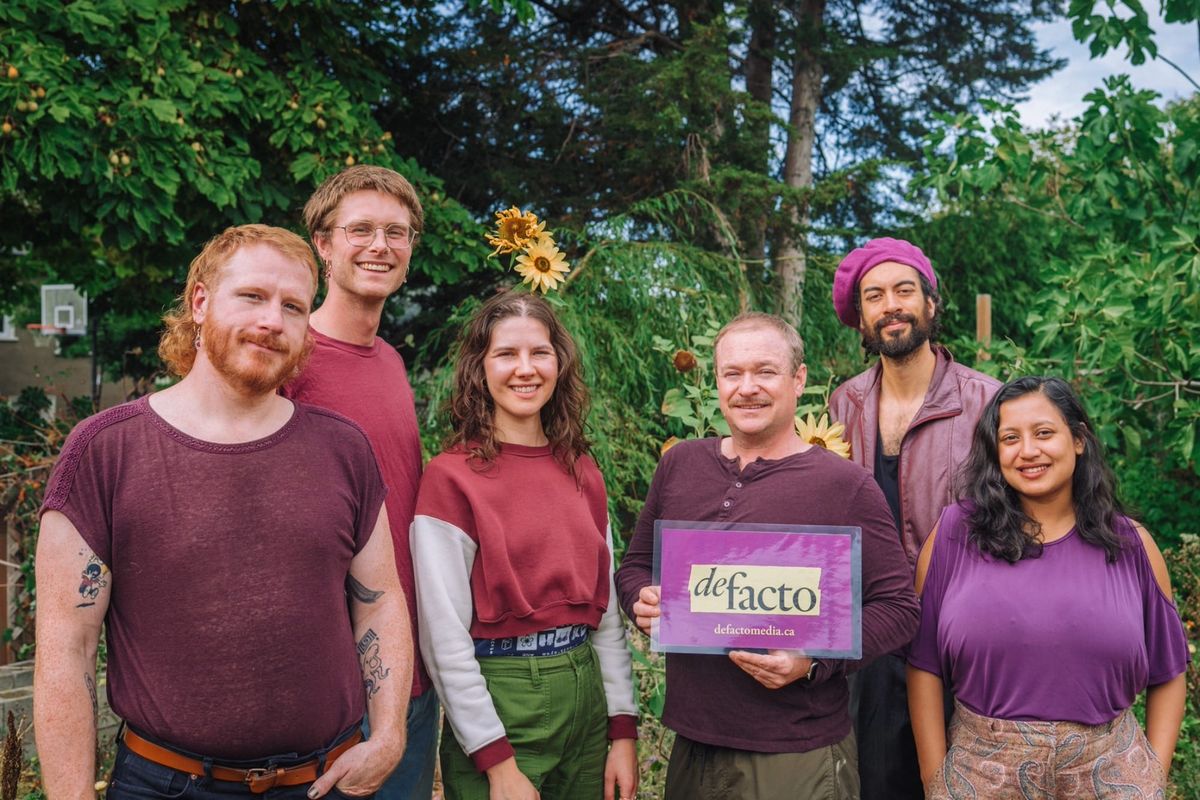
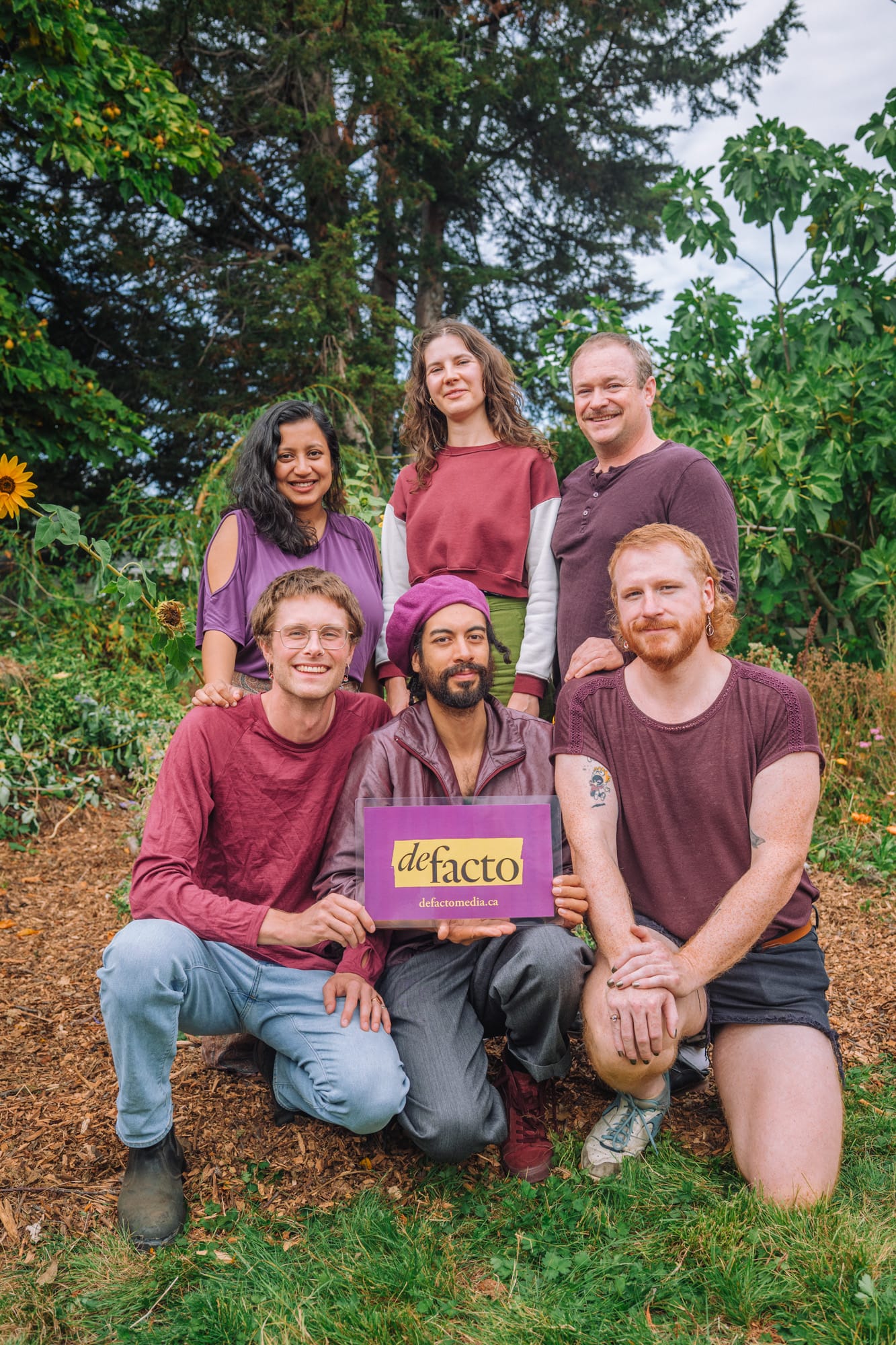
Six months ago, six journalists launched De Facto Journalism Co-op — bringing together a collective six decades of media experience.
Our vision: to “interrogate power and highlight truth.”
"To people underrepresented and harmed by policies ... there’s a gap between the law and what happens in practice — de jure and de facto"
– Cam
Armed with the advice of mentors in the non-profit media and co-operative sectors, since then our worker-owned collective has released 13 articles, three in-depth investigative series, eight podcast episodes, 30 newsletters, and six photo essays.
Now we’re honoured to share this exclusive behind-the-scenes Q&A with you — our community of DeFactors — to celebrate our half-birthday!
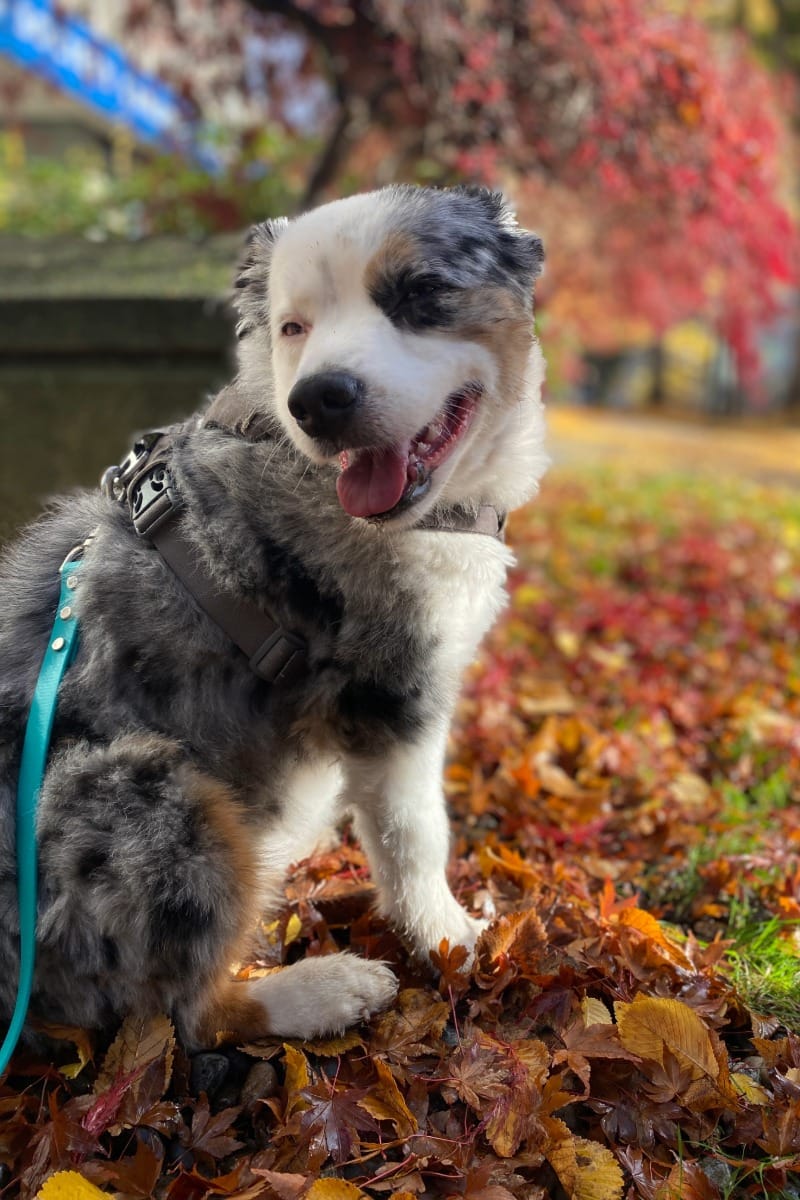
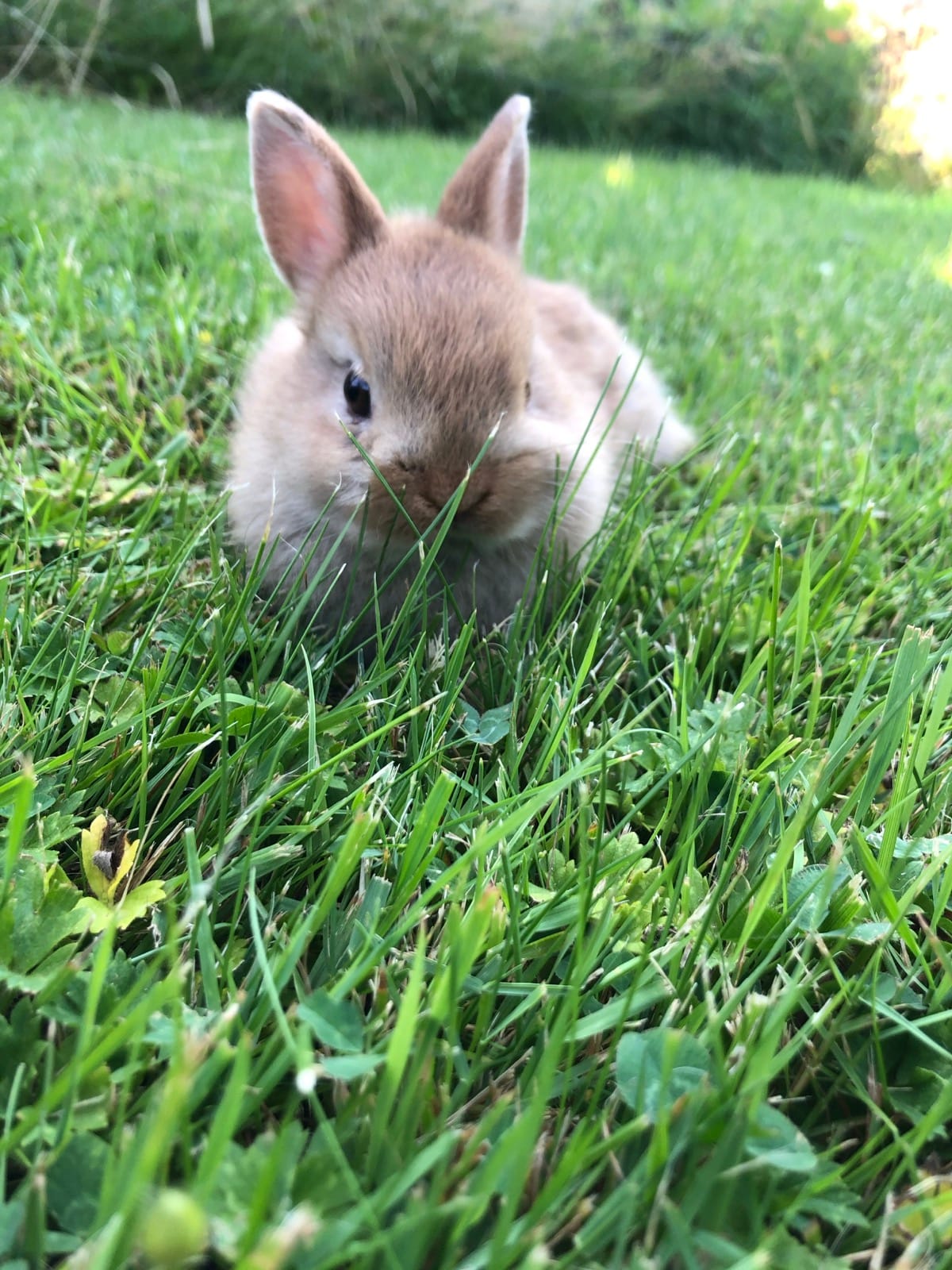
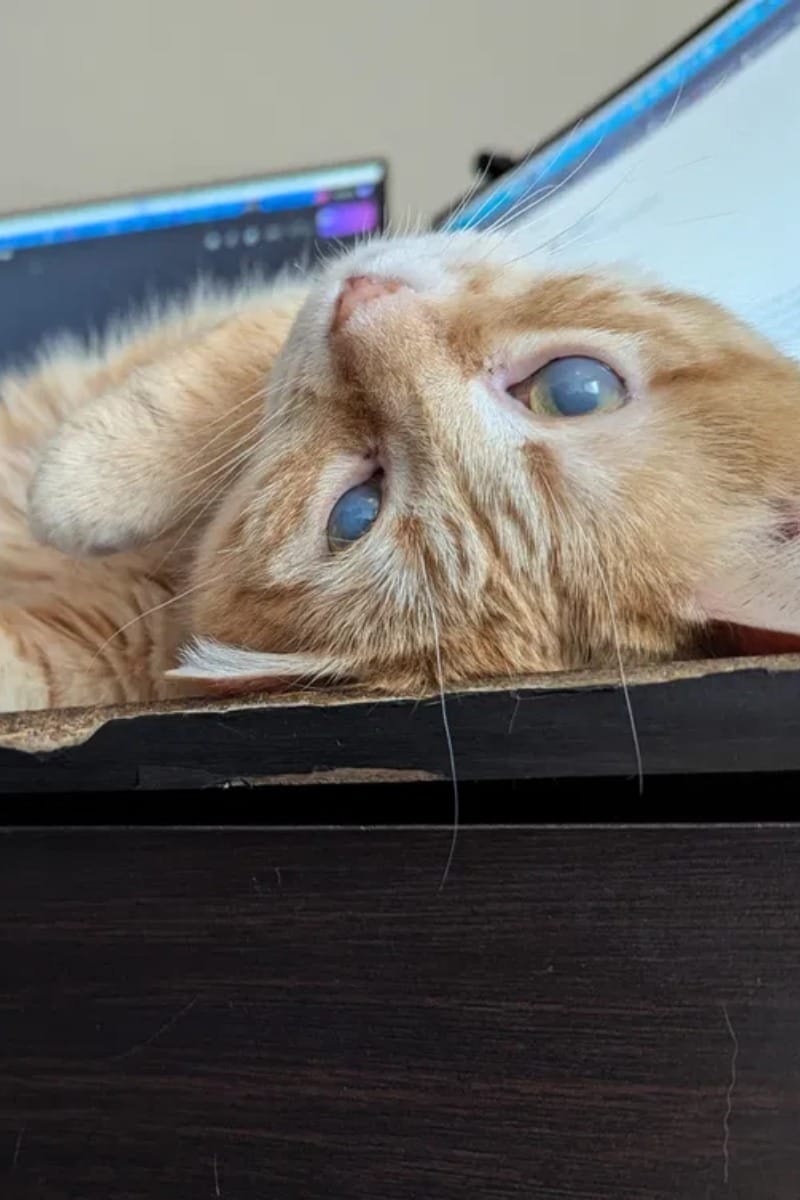
Our DeFactor relations team, from left: Willow, Cinnabunny and Hobbes
This conversation has been edited for length and clarity.
A vision: Founding De Facto
David Ball: We're really excited to have all six members of our co-op here for our six-month anniversary of De Facto.
Emma Arkell: We wanted to talk about some of the roses and the thorns of the past six months.
David: Six months, obviously, of a much longer planning process. February 2024 was actually our first meeting.
A lot of cool things have happened since launching this May; I just feel so energized.
Having been in media for a few decades, I was so frustrated with constantly having to tone everything down around authority figures and systems of power, or quoting police verbatim without challenging their narrative.
And I just feel like so many systems like that are allowed to go unchallenged by too many media outlets.
What I really wanted was to do the investigative journalism I always dreamed of, with a really cool group of peers that share the same vision of holding power accountable. That's my rose.

Mike Graeme: Before we started this co-operative, I was a freelancer — working a lot on my own, kind of isolated, feeling like I didn't have a community around journalism, or collaborations with other folks who shared my values.
I wanted to do investigative journalism in a way that was really centred in care and wanting to eliminate injustices within the systems around us, and maybe work on charting ways that we could get towards a more just society.
And it's just been so amazing to be part of a newsroom with you all; it's been really exciting and inspiring to me.
I've already learned so much from working with you five. And I'm really excited to see where we make it over the next six months.
"There's this term ‘collective effervescence’ ... that felt so analogous to working collaboratively with all of you on a vision"
– Dustin
Looking back: ‘Roses and thorns’
Brishti Basu: It's been such an exciting journey and such a long time coming to create this co-op.
It's really cool that we get to decide the kinds of stories we do and we get to take innovative steps to get at the truth — to use strategies that perhaps more established mainstream newsrooms might not OK, like using AirTags, for example.
And to have a whole team of six people that were so on board and so supportive and really made that investigation and that vision come to life was just such a highlight.
Cam: For me, both the rose and the thorn are tied to the fact that it is just us.
This co-op model has been really empowering in a lot of ways. It's freed us from a lot of constraints.
It's given us the ability to adjust our timing, adjust our schedules to say, ‘OK, this story needs a little bit more — whether it's another few days, or sometimes even another few months.’
"What I really wanted was to do the investigative journalism I always dreamed of, with a really cool group of peers that share the same vision of holding power accountable"
– David
We're able to do what feels right for the story and for our own sustainability, which on both counts is something all of us have not always gotten in this industry.
But by the same token, I think the thorn is that it does really come down to us.
It comes down to us making the time. It comes down to us being able to divvy up the responsibilities, and to take on the work of running a publication that’s often split up into different roles in a bigger, more established organization.
That's been the challenge, and it's resulted in a lot of logistics and time spent figuring things out — on top of the work of journalism we're doing.
It’s really valuable to be able to have a worker-led and accountable news model in this very precarious age for the industry.
"We're just out here putting out stories and there's a real appetite for them. That's really heartening"
– Brishti
Emma: That resonates a lot with me, the precarity of this industry.
As someone who's had to deal with some of that this year — the instability of employment — it's been really wonderful to have something outside of that that's not just freelancing. Because it can be very isolating to freelance.
At the same time, trying to build something that is genuinely new — while also paying the rent, paying the bills, dealing with the incredible rise in the cost of living — is really challenging.
And I would wish for more hours in a day to make it more possible to do that.
David: Learning how to do the business-side of a publication — we're a co-operative, so it's a whole other process, with a different set of laws to follow.
And we try to work by consensus, which means it's a lot of discussions and planning.
So that's both a thorn and a blessing, I would say, because there's things I didn't even know would cost money.
I printed business cards with a QR code to take to the BC Federation of Labour conference — but [the code] expired. Everyone was like, ‘The link doesn't work, it takes you to a paywall.’ It was a scam.
Dustin Godfrey: I still get people commenting on those cards, ‘This is such an innovative size of a card.’ The square card feels like it's intentional, because we cut off the QR code.
David: I am told the QR codes make excellent rolling-paper filters.
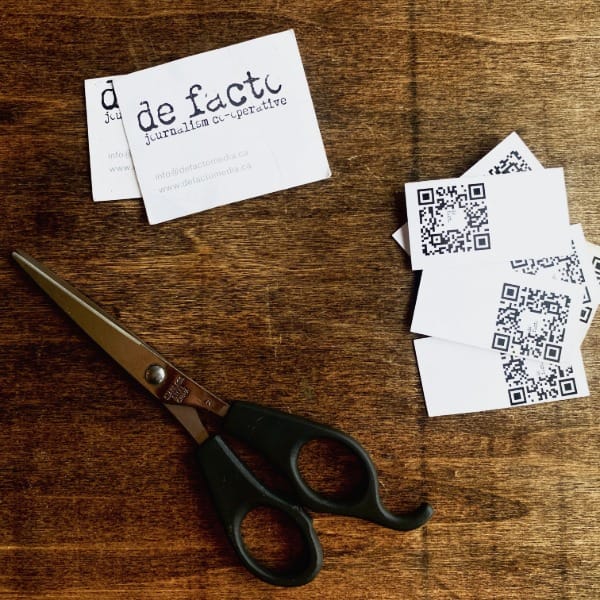
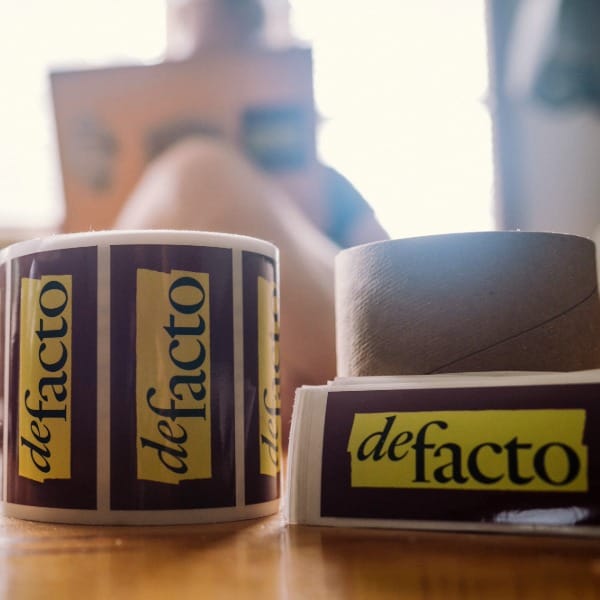
Some merchandise has been more successful than others
Giving thanks: Mentors, advisors, donors, comrades
David: I really just feel so inspired by all the people who stepped up to help us before they even knew what we were going to do.
And I want to shout out a particular help we got from Co-operatives First on the Prairies — who helped us with our rules and memorandum and registration — and Elvy Del Bianco, a consultant who's really experienced with co-operatives around the world.
Ange Chuang did our branding, logo and colour scheme for our website. And just so many publications like The Narwhal, Ricochet —
Emma: — New Feeling co-operative, The Grind.
Seeing the support that can come out when you start something new that people are excited about — and that is filling a gap in reporting — has been really incredible.
And also to see the number of people who started donating to us before we had even put out a story!
David: ‘Oh, there's a worker co-operative journalism publication? All right, I'll give $500 or $200.’ People value this and see what's missing from our media.
Dustin: And I think they value both the model of worker ownership, and also the fact that we're tackling subjects that are not as critically covered in traditional media.
"These projects ... are the result of months of work — sometimes years. These are what emerges from cultivating certain beats and quite doggedly following a lot of information requests and things we've been told"
– Cam
‘Collective effervescence’: Working collaboratively
David: We love independent media. It's not as competitive as I feared it might be, because we are doing something unique.
We hope it overlaps with the work others are doing, whether in environmental, labour, or other publications.
There's such a lack of critical thinking about police, courts, prisons, and immigration. In the US, you see so many really amazing publications digging into those, like ProPublica. But here, we've lost so many of those in-depth reporters.
Dustin: For my particular rose, we launched on the first weekend of May, and that happened to be the same weekend as my first-ever choir concert.
There's this term ‘collective effervescence’ — a tingling joy that you feel from singing together with people — that felt so analogous to working collaboratively with all of you on a vision that we all are really proud to be working on.
Brishti: We're all journalists focused on the editorial side of things — but we don't really know too much about fundraising, marketing, or sales. I don't know if that's exactly a thorn, maybe it's more something we need to figure out.
But at the same time, it's really heartening to see how many people have signed up and subscribed to actually support our work monetarily every month and annually — even without us having done any sort of official fundraiser.
We're just out here putting out stories and there's a real appetite for them. That's really heartening to see.
Read the rest of our co-founders' conversation — exclusive for DeFactors (paid subscribers) — to see photos from our startup journey, hear some of our plans and hopes for the future, and learn why we are somewhat like fungi:
"A journalism outlet is a costly endeavour. I'm looking for ways to make this a bigger, more substantial, and more sustainable part of our working lives and livelihoods"
– Emma