My time fighting BC’s wildfires
Plus: Overdose prevention site axed. Cop guilty of breach of trust. 138 more toxic drug deaths.
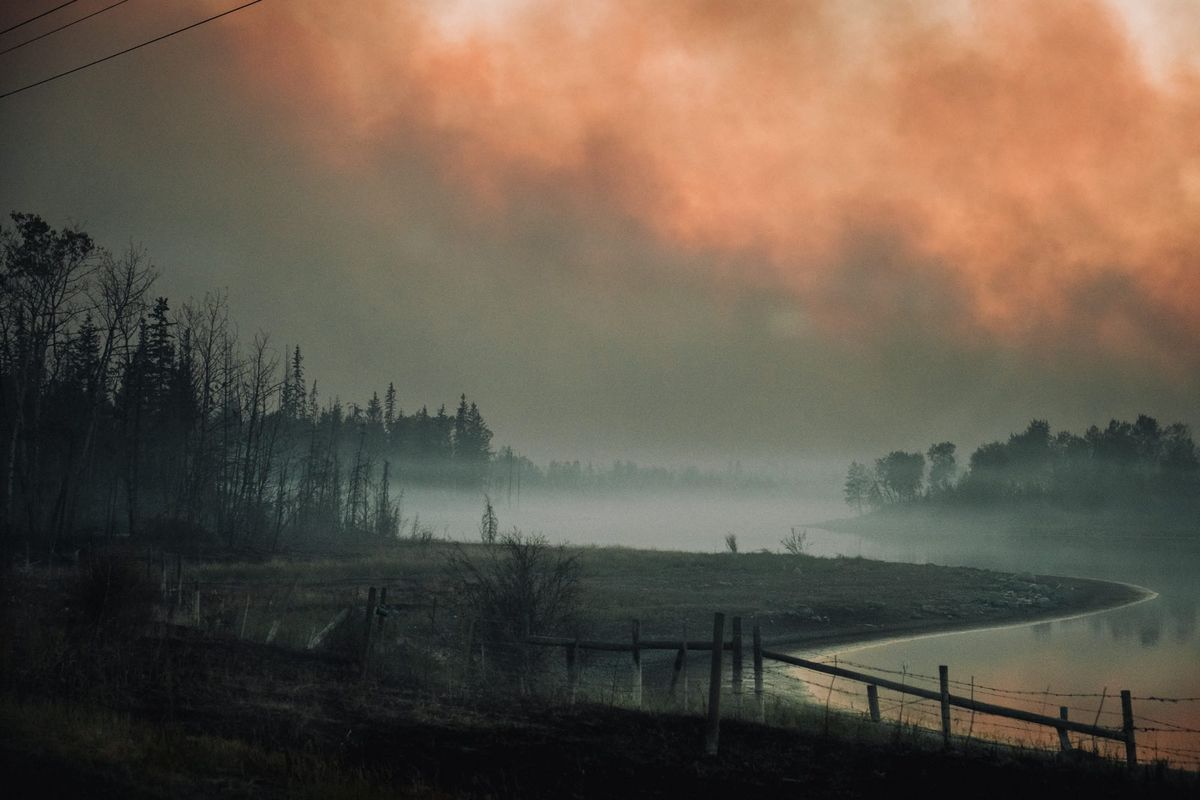

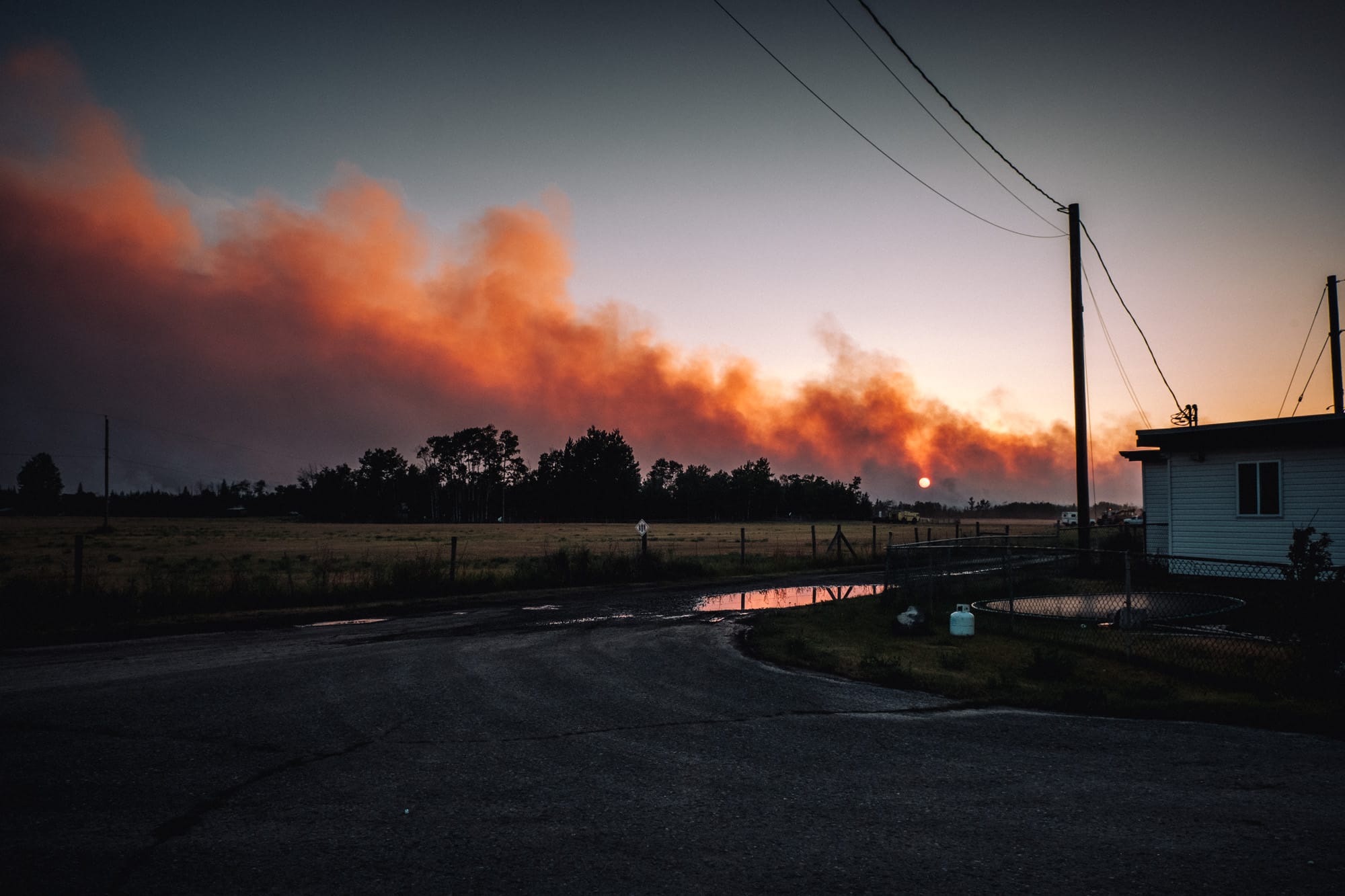
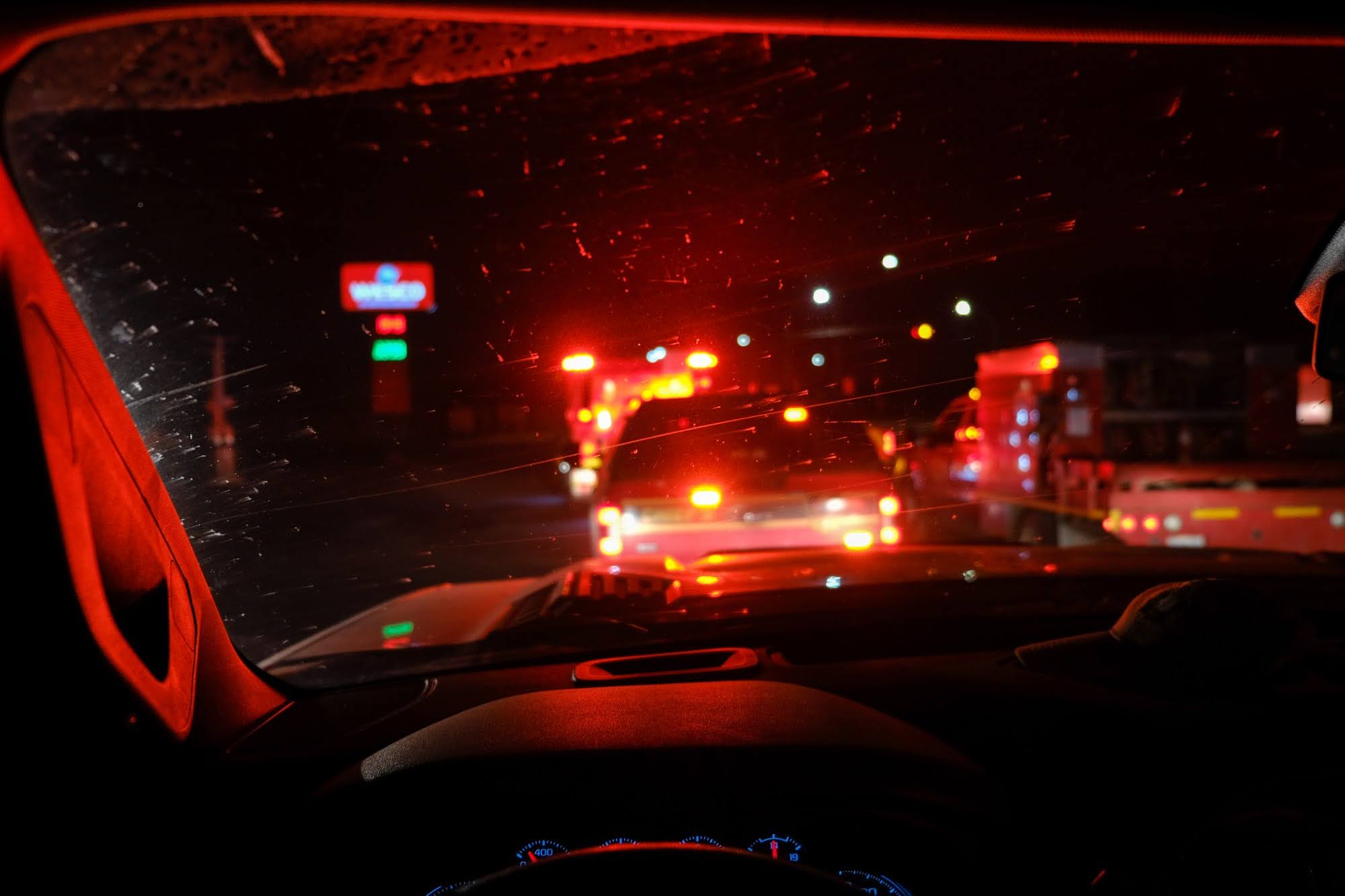
As I write this, the scent of smoke still lingers in my clothes, reminding me of the past weeks I’ve spent alongside other firefighters and communities on the frontlines of BC’s 2026 wildfires.
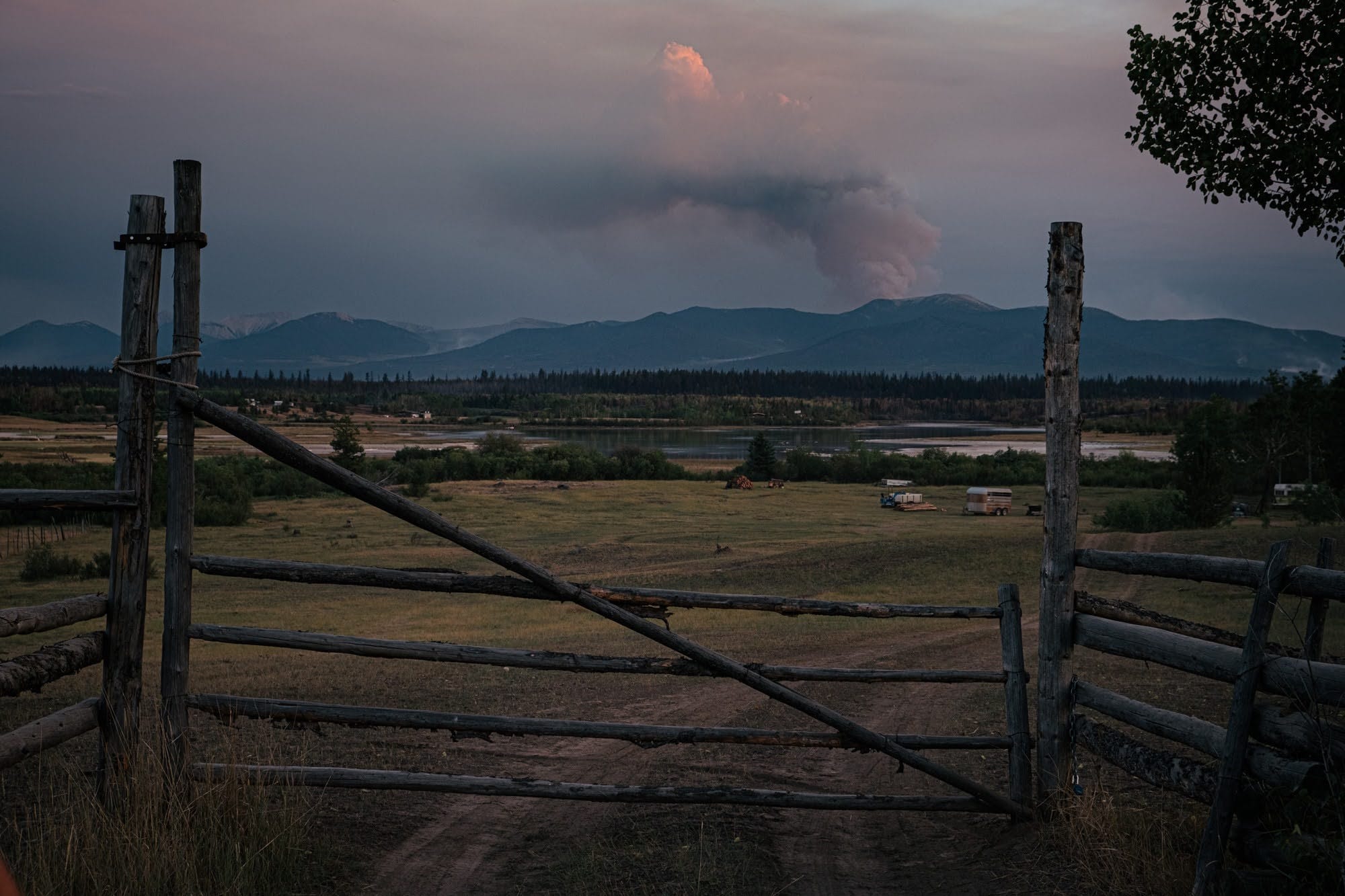
The Pear Lake wildfire is BC’s largest and now over 160,000 hectares (1,600 square kilometres). Upon arriving there, our crew was thrown into our first objective: get sprinklers onto homes as quickly and safely as possible.
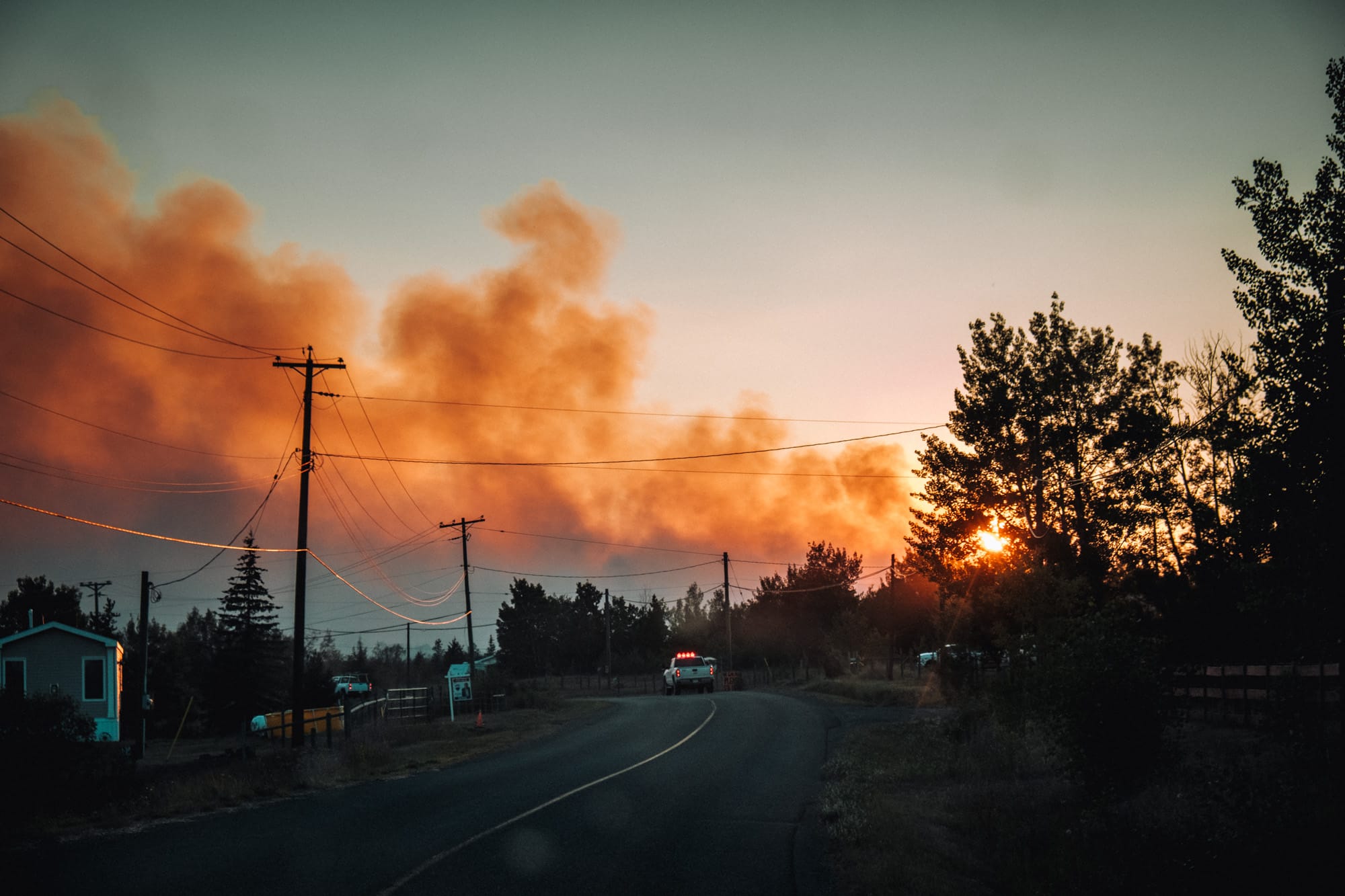
This was also my first deployment as a crew lead. As my heart raced under the pressure and urgency of protecting homes, I also had to focus on making sure my crew had the knowledge and resources to do their jobs well and safely.
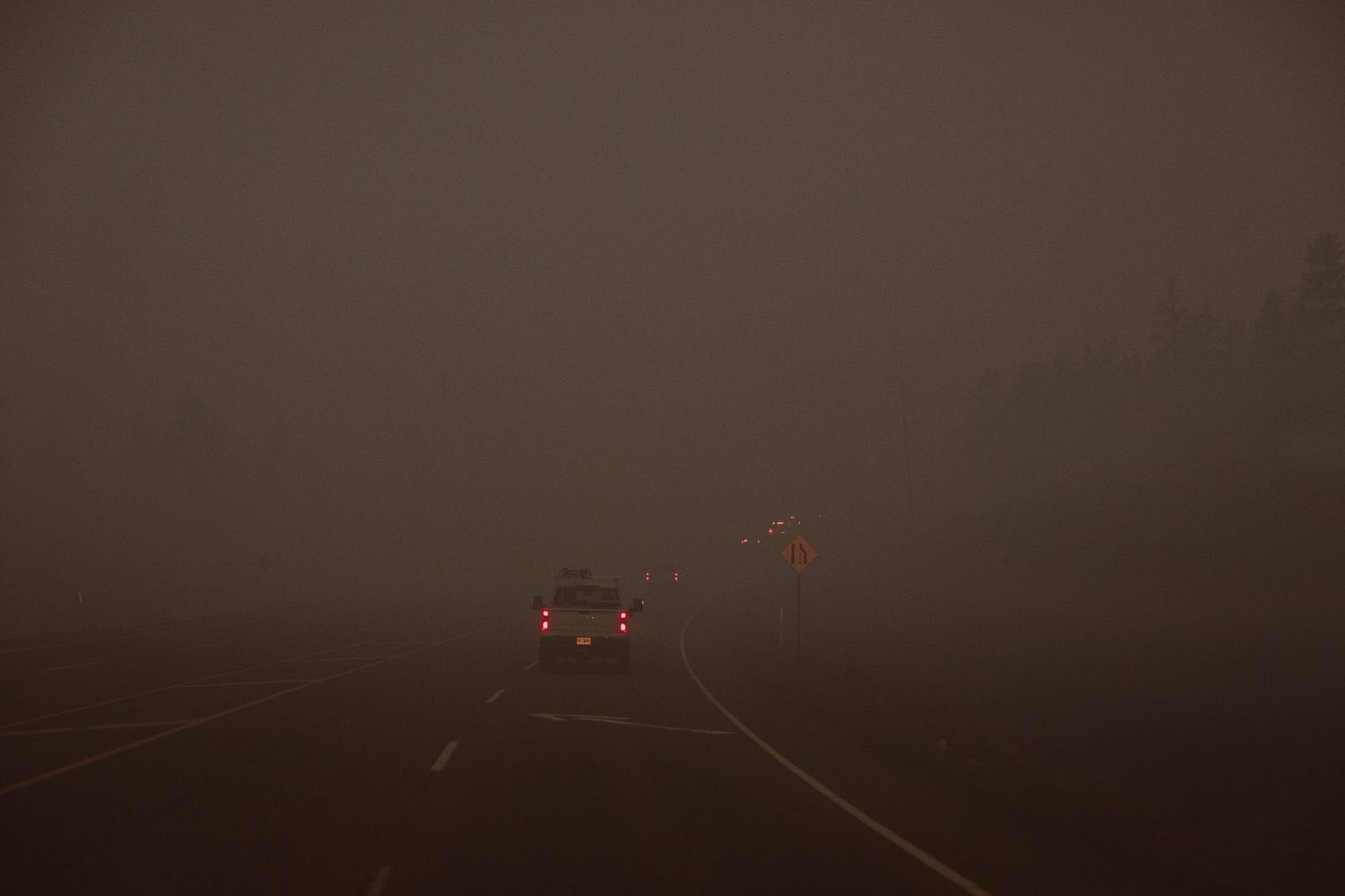
The daily mental and physical marathon was made even harder by air quality that consistently topped the charts for “extreme health risk.” And there was no reprieve, either. Each day we would return to our tents and sleep under a thick blanket of smoke.

Balancing my journalism with wildfire fighting for nearly a decade has always been a struggle. I am often half-finished writing a story or two when I have to throw my gear in a bag and leave home on a moment’s notice.
But it’s also given me firsthand insight into the ways the climate crisis is reshaping BC summers, and how communities on the frontlines are coping.
This summer has brought back harrowing memories of the 2023 season, when our crew had to help evacuate a community in the Shuswap region.
Now, I’m trying to wrap up my next contribution for De Facto before I head back to the fireline today. More than 7,000 lightning strikes started some 50 new fires over the weekend.
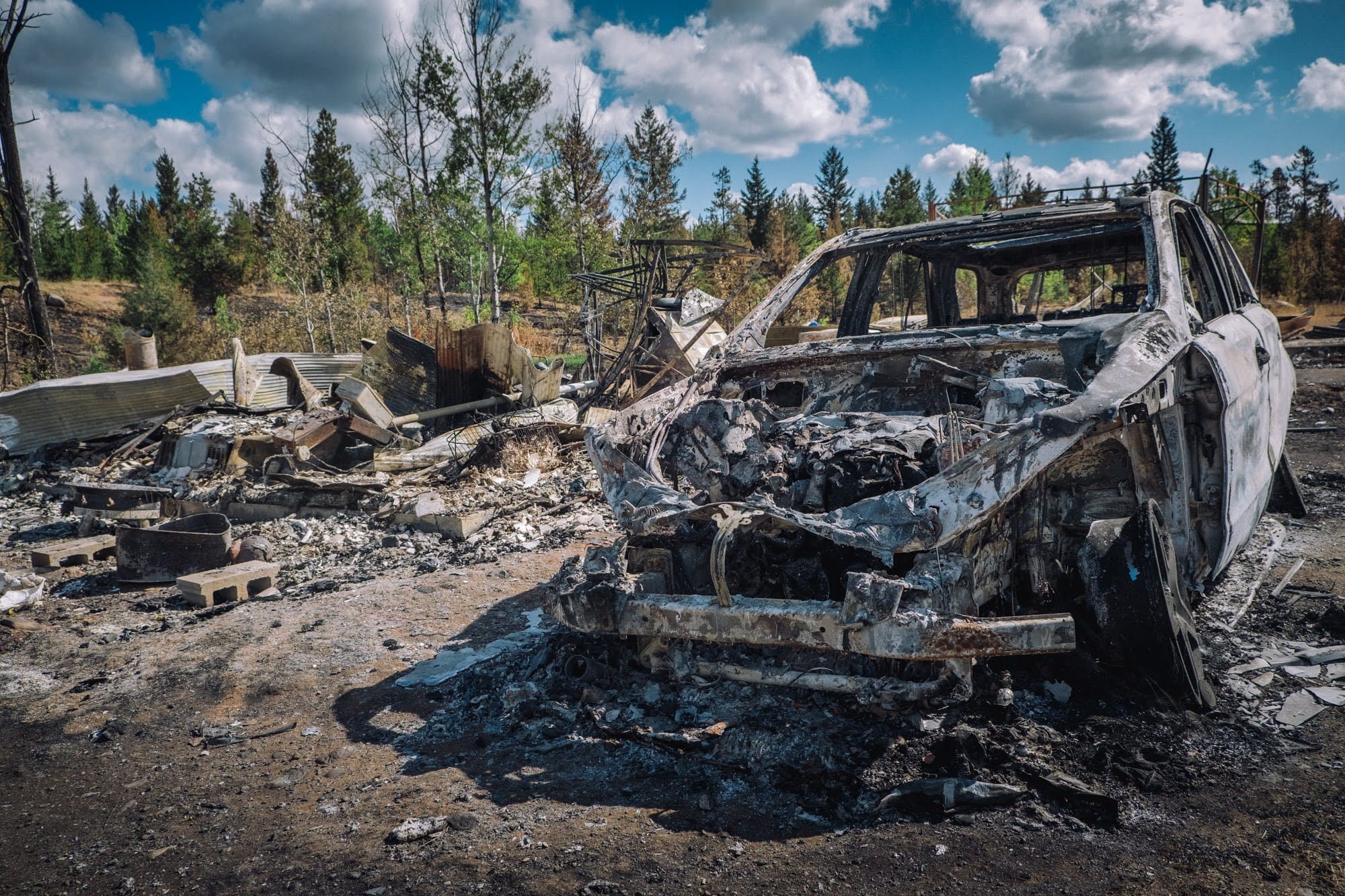
It has been devastating to hear about and witness the losses people have endured this summer. Evacuation orders and burned homes.
The Namaygoosisagagun First Nation in northwestern Ontario and the Okanagan Indian Band near Vernon have been deeply affected, as have the families in Summerland, Clinton, and surrounding areas.
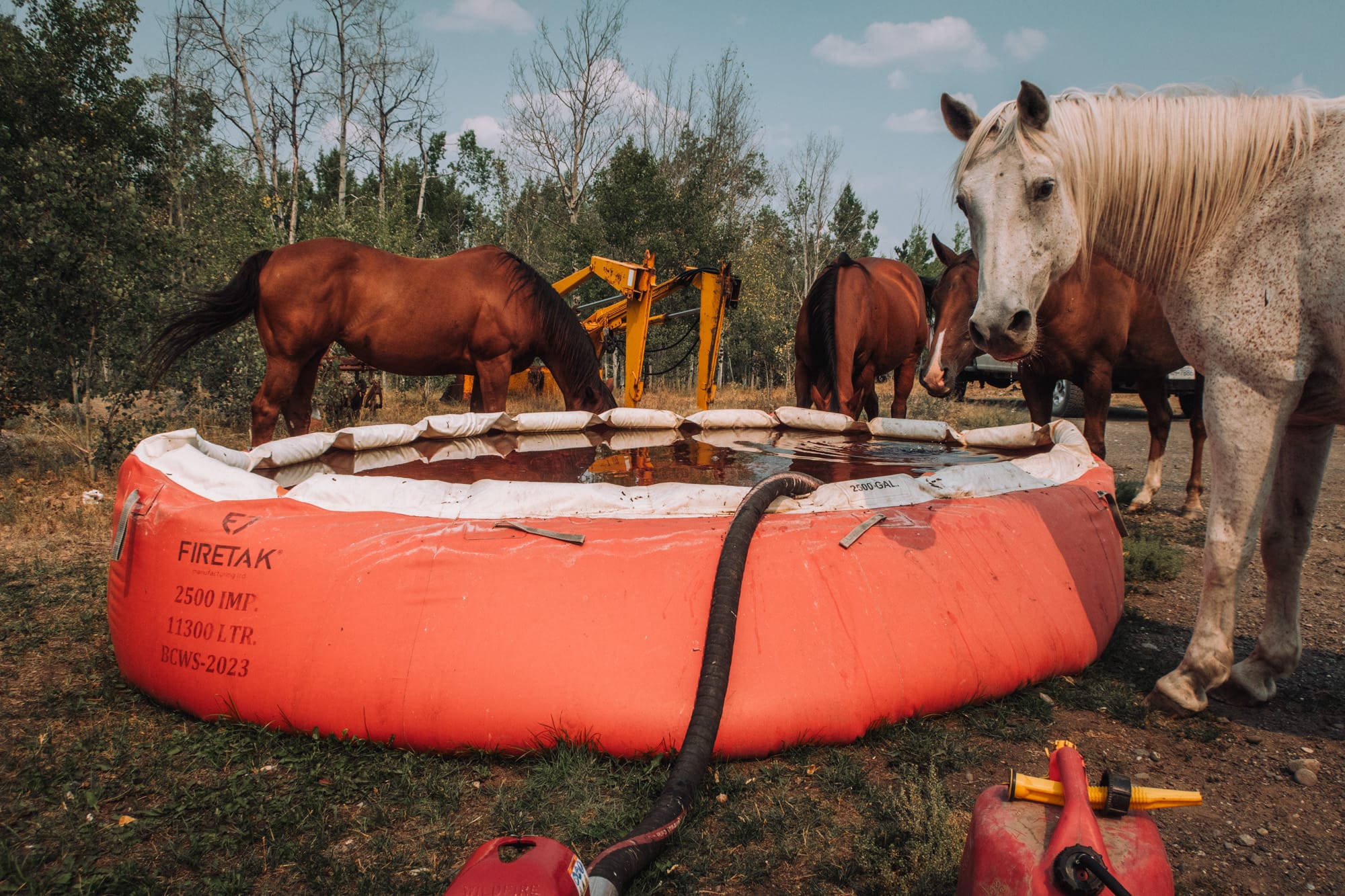
But during my work, I’ve witnessed the care people have shown for their neighbours in the wake of disaster. And I’ve seen the proactive steps they’ve taken, such as “fire-smarting” their properties, which makes firefighters’ jobs significantly easier and more effective.
Last week, federal forecasters said this is set to be Canada’s fourth-worst fire season on record with an area of over 40,000km² burned — larger than Vancouver Island.
As I reflect on the extent of the burned lands, I think back to my interview for IndigiNews with Sinixt fire expert Cody Desautel during the 2023 wildfire season.
Desautel was a wildland firefighter for 27 years and now sits on the US Wildland Fire Management and Mitigation Commission.
He told me Indigenous communities, in general, actually burned more area per year before colonization than today’s megafires do, even during record years like this one.
“Tribes historically burned way more than what we see today,” he said. “There’s research that supports this now, looking at old fire scars and different soil testing.”
Those low-intensity burns reinvigorated the landscape, helping fire-resilient plants and game animals thrive, he added.
But the uncontrolled megafires we are seeing today can destroy soils, release vast amounts of carbon emissions, put ecosystems in a state of disrepair, and force people to flee from their homes.
This year, I’ve watched on social media as my Sinixt friends living in their homelands south of the border have also had to evacuate their homes in Inchelium, Wash. and the greater Colville Indian Reservation, where Desautel was born and raised.
He said climate change, combined with Canada’s legal landscape, has shaped the intensity of fires we see today.
Through its Bush Fire Act in 1874, BC became the first province to pass legislation outlawing Indigenous cultural burning. Without these burns, forests have densified and fuels have built up, ready to light up like a box of matches.
Since speaking with Desautel, it’s made me hopeful to learn about the growing partnership between Indigenous communities and the BC Wildfire Service — and to see first-hand how people are collaborating to mitigate fire risks.
But building partnerships and improving conditions takes time. Right now the results of years of fire and climate policy are literally at the door for many communities.
So for the next 14 days, I’m heading back into the matchbox.
Ex Facto
Stories we’re reading about policing, homelessness, drug data, government transparency, and other subjects we cover.
Province cancels planned Vancouver overdose prevention site
New health minister Ravi Kahlon has scrapped the delayed plans to open an OPS on Helmcken Street near St. Paul’s Hospital to replace the nearby Thomus Donaghy OPS.
That site closed last winter at the behest of the property owner; it had relocated there in 2024 after the city didn't renew its original lease. This year a temporary mobile site has been operating instead. Vancouver Coastal Health said the Donaghy site was the only OPS open to the public in the city centre, and had nearly 150,000 visits and 480 overdose responses since 2021.
Vancouver mayor Ken Sim had been campaigning against the site, citing a lack of consultation and neighbourhood complaints about its predecessors. The BC Greens blasted Kahlon in a release, saying he "caved to pressure" from Sim and that "choosing politics over public health" will cost lives.
Research indicates that consumption sites reduce deaths by overdose, tend to reduce public consumption, and do not increase local crime.
138 toxic drug deaths in BC in June
That was an increase from April and May, but still among the bottom-10 totals this decade, per the latest BC Coroners Service data. BC is now on pace for a 2026 death total around 1,550 — comparable to 2018. Crackdown recently looked at which factors can (and can’t) explain this decline.
BC ending public access to its employee directory, citing cybersecurity attacks
The Ministry of Citizen Services said AI tools are using public info to “create more convincing, targeted messages and scripts” and that RCMP advised shutting the directory down. [Global]
Paul Willcocks frames the change as part of a decades-long erosion of the public and media’s access to government information. This began, he writes in the Tyee, with Gordon Campbell’s firing of unionized communications employees and has more recently seen knowledgeable public servants walled off behind designated spokespeople and tailored, cagey responses.
More news
- Calgary Police trying to leave Palantir data system over undisclosed "prohibitive" costs, but now paying US contractor to maintain it. [IJF]
- Nanaimo cop guilty of breach of trust, and may be criminally convicted, for having sex with woman in vulnerable state he met while on duty. [Nanaimo News Now]
- Unhoused locals tell council candidates about housing costs, stigma, and displacement at Richmond discussion event. [Richmond News]
- Trial postponed to 2027 for Central Saanich officer accused of sexual assault of a disabled, vulnerable woman in 2020. [CHEK]
- Displaced migrant farm workers still struggling to get meals, services, and EI after wildfires disrupted their jobs. [Vancouver Sun]
Happening soon
International Overdose Awareness Day events will be held next Monday, Aug. 31.
- Vancouver: Oppenheimer Park memorial and Vancouver Art Gallery evening rally and screening (times TBD). VANDU is collecting donations to help people attend.
- Victoria: 1,000-block of Pandora Ave (1-4 p.m.) and Broad View Church (7 p.m).
- Other Lower Mainland events here.
Thank you for supporting independent journalism that boldly shines a light on law, justice, and rights!