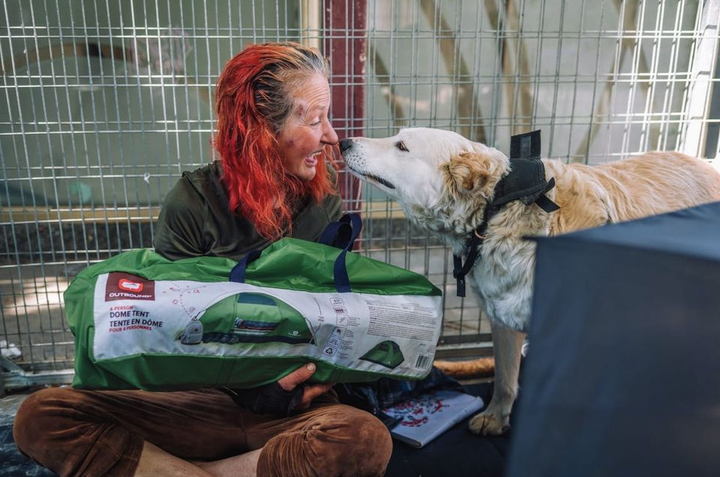
EXCLUSIVE: Victoria denied trashing people's new tents. So we tracked them with AirTags
We investigated where items actually end up after being seized from unhoused locals
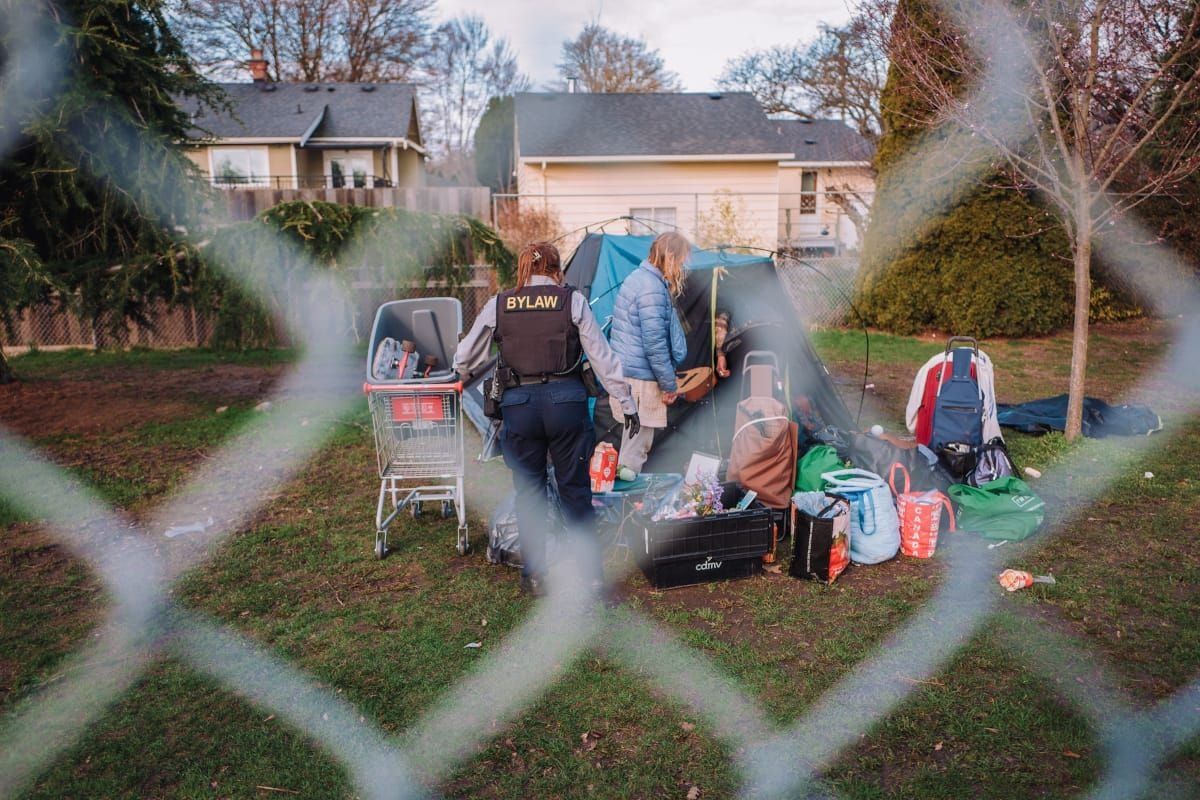
For years, unhoused people have complained that Victoria bylaw officers are routinely throwing away their perfectly good — even new — possessions.
These allegations are bolstered by advocates, eye-witnesses, and researchers.
Yet city officials have repeatedly denied throwing away any items that are usable and “life-sustaining.”
On one of the coldest nights this year, the city activated an emergency weather alert.
First responders were handing out items that were life-sustaining: sleeping bags, hand warmers, gloves, toques, socks, and rain ponchos.
The people sleeping outdoors on Pandora Avenue used those items, and what they had already, to endure a night that would plummet to freezing.
But in the morning, city bylaw officers began taking things.
Fred was sitting beside a pulling cart donated just the night before when officers arrived. By 7:45 a.m., they seized his new cart, his tent, and other belongings inside it..
Within hours, all ended up in the region’s landfill.
We know this because we’d placed a tracking device in his cart and followed its movements.
Bylaw officers dispose of around 2,000 kg of material just from Pandora Avenue every week.
City officials have insisted items are typically made available to be reclaimed for 14 days after being seized, and are only discarded sooner if soiled, abandoned, or hazardous.
But bylaw officers are given wide discretionary powers to interpret those criteria.
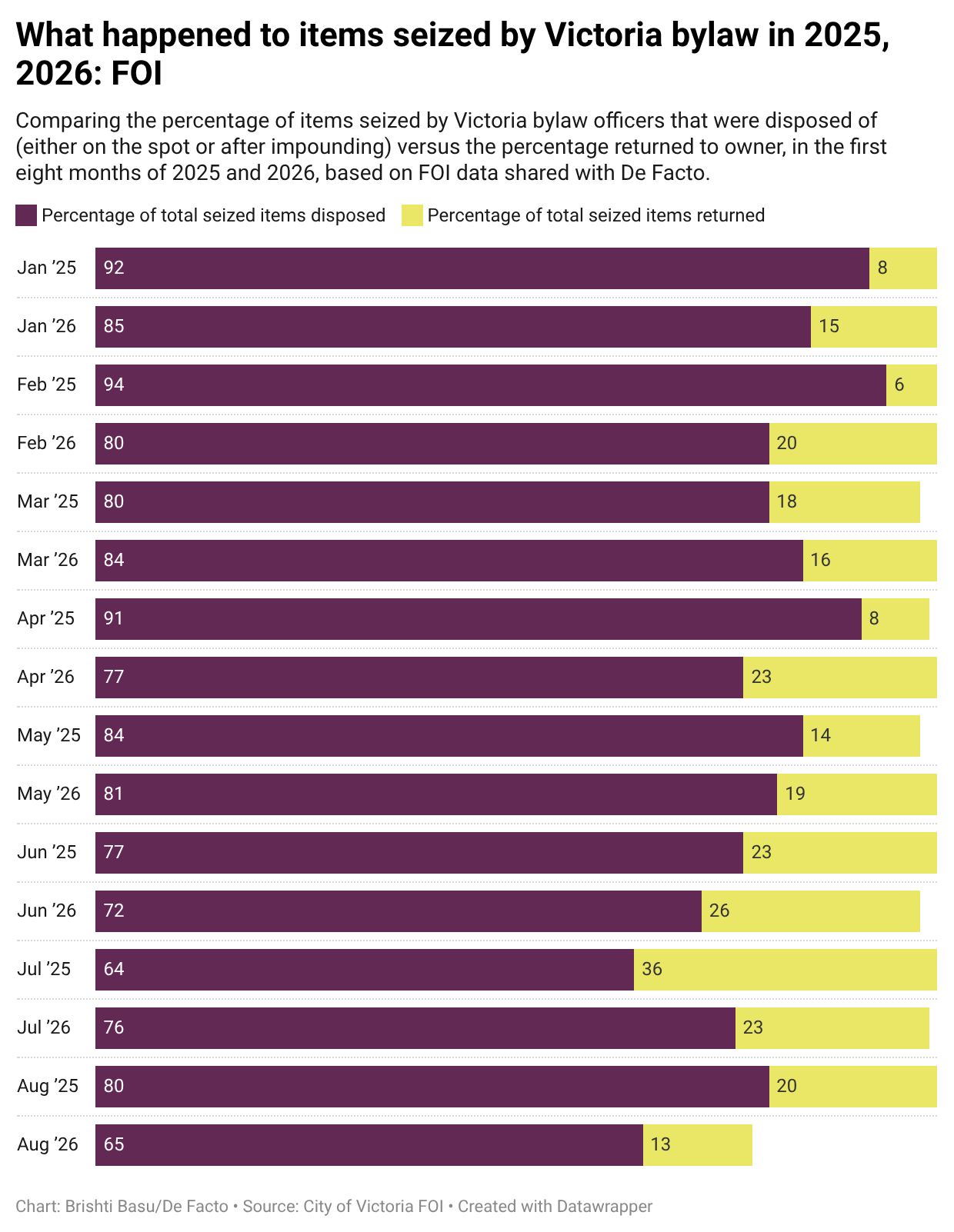
De Facto tracked multiple newly donated tents that were taken to the landfill within days. In city records, staff justified the disposals by listing issues with the tents that the owners told us were minor and didn't interfere with usability.
The day Fred’s cart was seized, records don’t list it at all.
As we explore this issue and its impacts on unhoused people like him, we spoke to the city about its policies, to the unhoused recipients about their experiences, and to researchers about the effects these confiscations have.
Read Part 1 of our investigation.
Thank you for supporting independent journalism that boldly shines a light on law, justice and rights!