Victoria bylaw officers trashed newly donated tents within days — contrary to city claims
The city has disputed years of claims that it discards unhoused people's belongings. De Facto reporters tracked new tents and carts to see where they ended up.



This is the first part of a series; check back for part two this week — sign up for our newsletter to get alerted as soon as it’s out.
March 29 was a horrible night to sleep outside in Victoria.
It was raining, and then it was freezing.
The temperature that night plunged to 0 C for the first time in over a month, and only the fourth time in the year.
The city had activated an emergency weather alert and first responders were handing out sleeping bags, hand warmers, gloves, toques, socks, and rain ponchos.
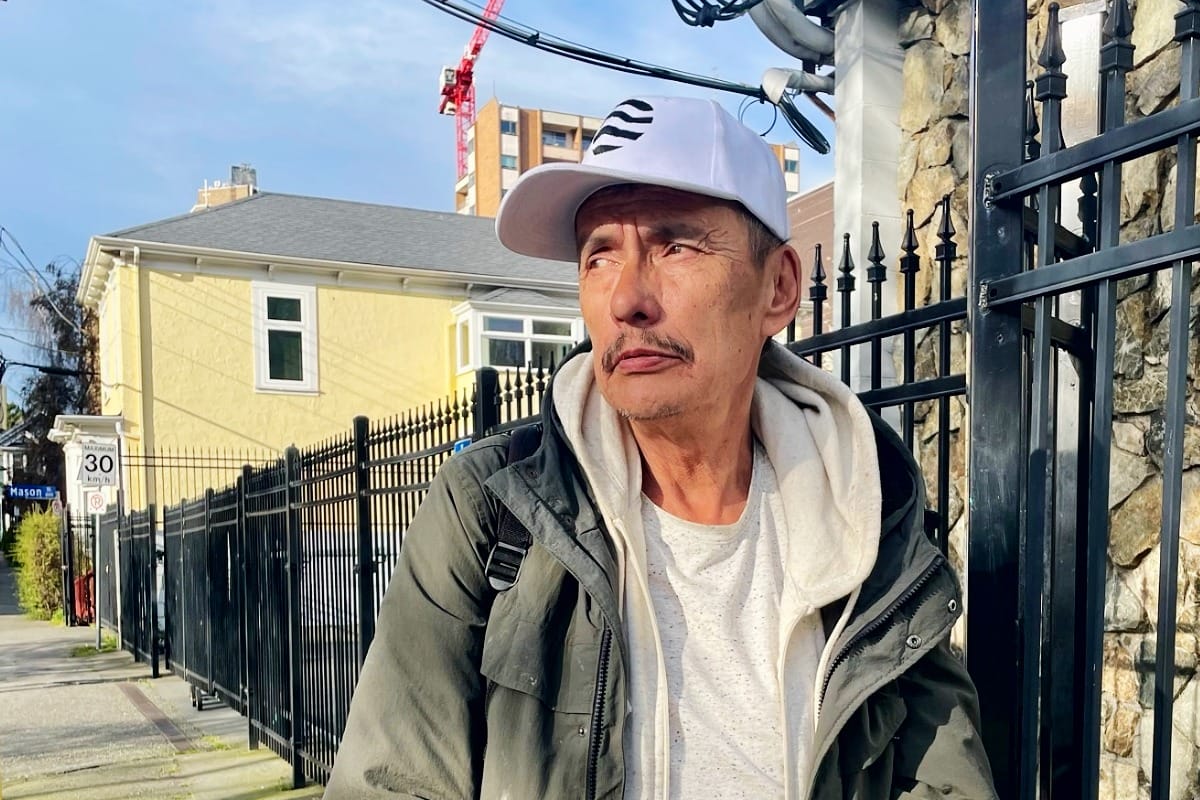
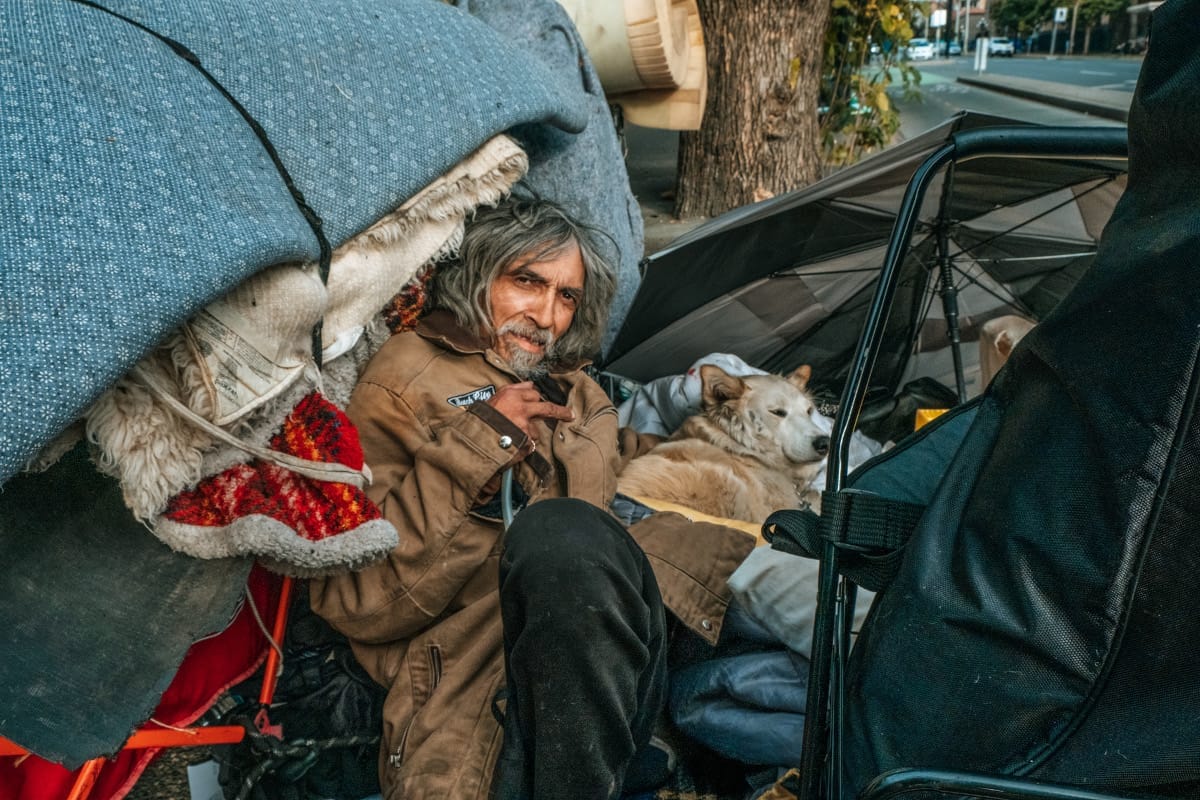
Fred was one of many tenting on the 900-block of Pandora Avenue that night. As darkness approached and the wind picked up, he walked to the McDonald’s parking lot.
There, he picked up some donations: a brand new pulling cart and a few other items, adding to the tent and blankets he already had with him to survive the cold night.
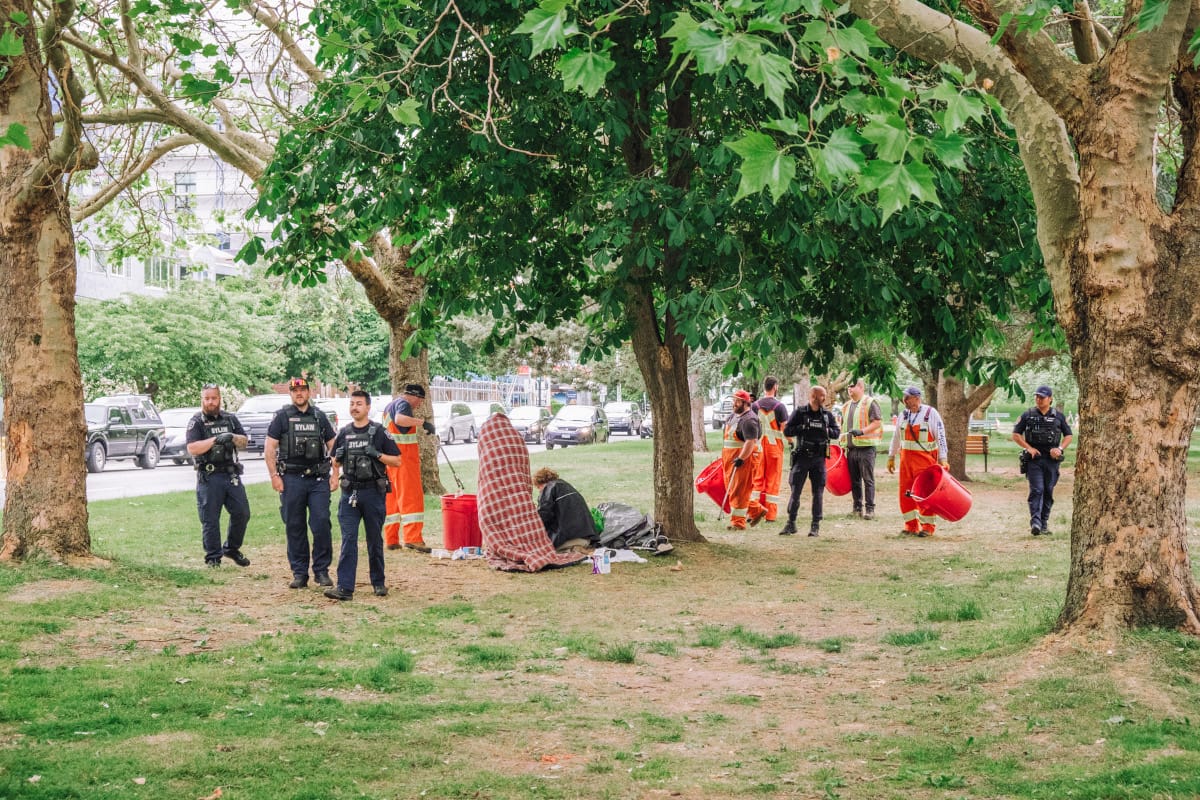
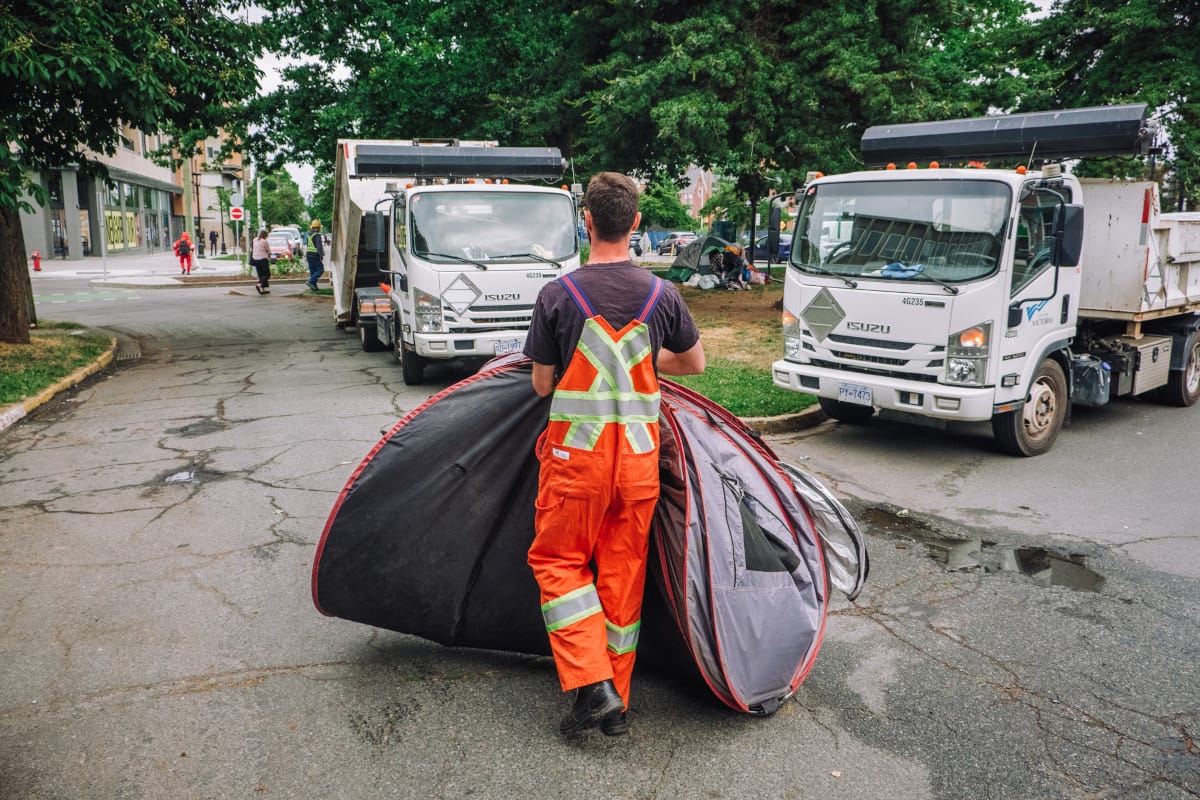
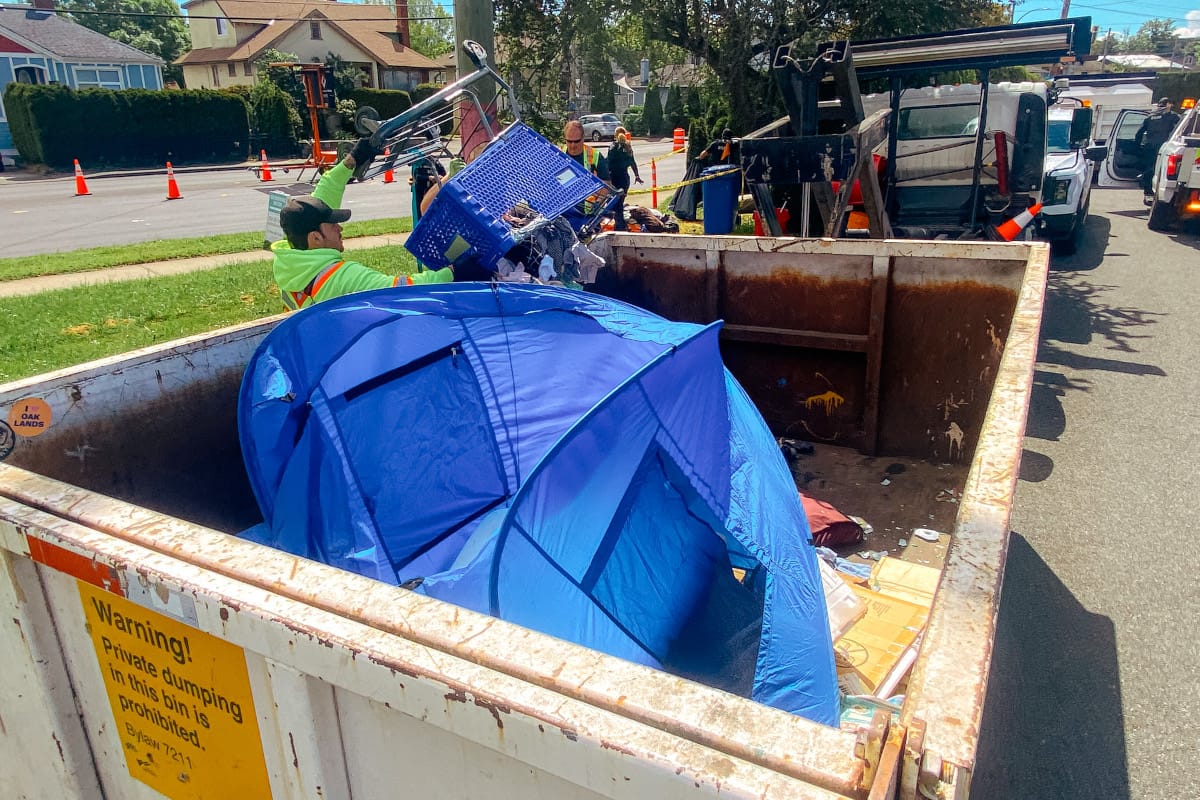
But by 7:45 a.m. the new cart, the tent, and other belongings it carried had all been seized by bylaw officers enforcing Victoria’s bylaw against sheltering in public spaces every day.
“I packed everything up and then just kind of sat there,” Fred said. “Then they just came along and took everything.”
What authorities didn’t realize was that some of the donated items were being closely tracked by De Facto.
As part of an investigation into what happens to unhoused residents’ belongings, we obtained consent from seven people to hide Apple AirTags into their possessions.
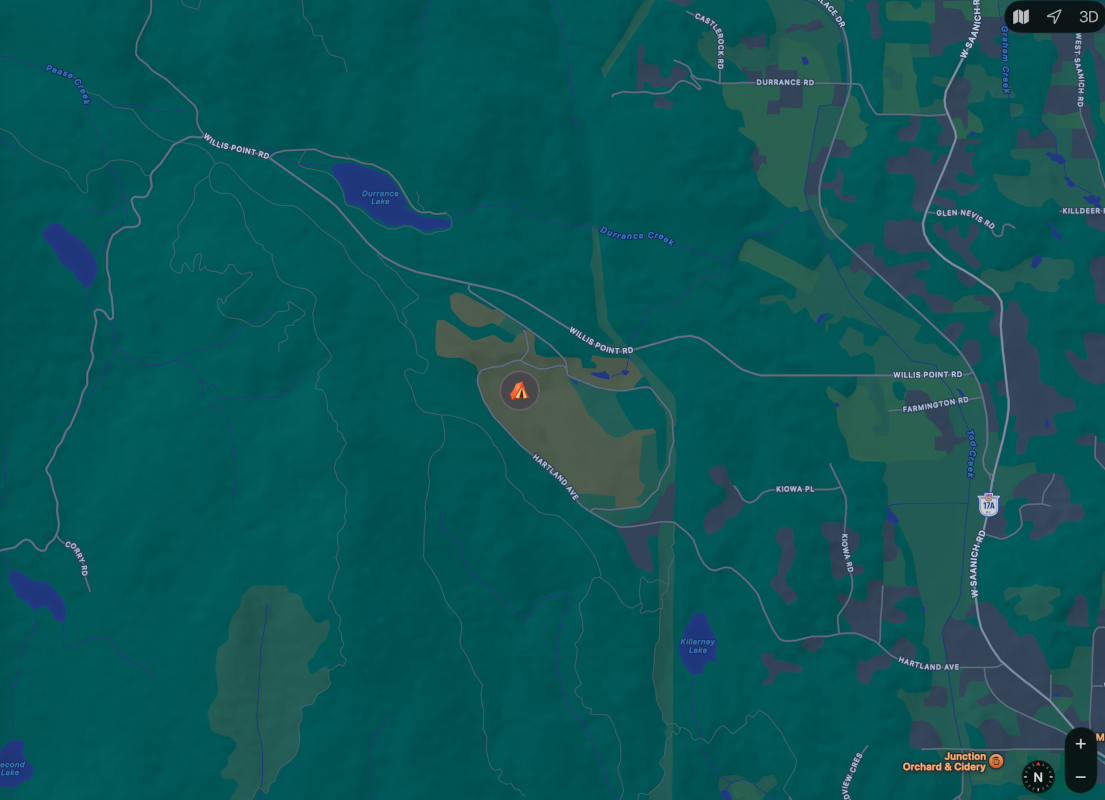
Fred’s belongings were taken first to a Victoria Public Works department address about 2.5 hours later — but later that day ended up dumped in the Hartland Landfill.
Unhoused people, advocates, nonprofit workers, and researchers have said for years that bylaw officers trash perfectly good — even new — possessions.
But city officials have repeatedly denied that this happens to usable and life-sustaining items.
“Belongings don’t just get thrown away,” City of Victoria spokesperson Colleen Mycroft reiterated to De Facto during a phone interview in July. “They get impounded for 14 days and people can come collect them.
“But there are also situations like if a tent is soiled or has hazardous materials in it, or is abandoned, then it would be disposed of.”
‘These are the facts — and they can be corroborated’
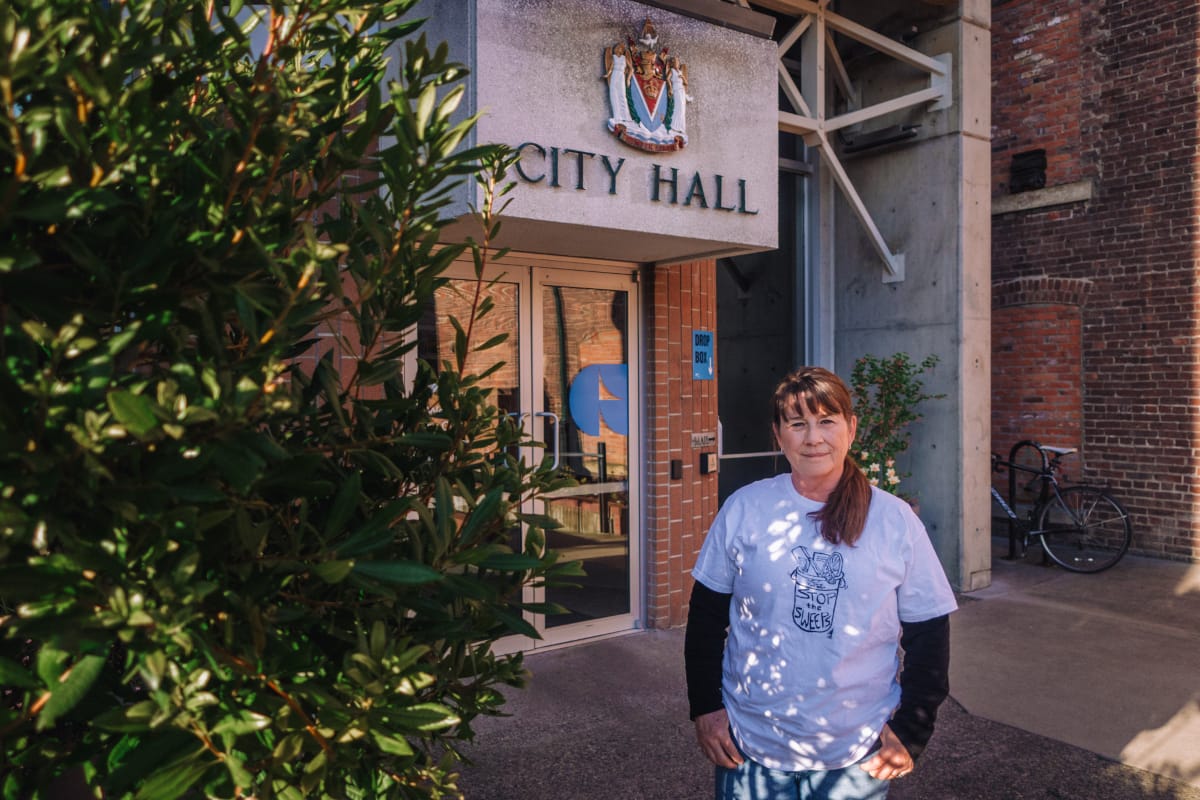
Niki Ottosen founded a donation network called The Backpack Project in 2008. Many times, she’s seen with her “own eyes” city workers “throwing things in the garbage.”
“I’ve seen how upset [the owners] get, and the city is constantly denying claims that they do sweeps,” Ottosen told De Facto. “They're denying claims that they don't impound correctly. They're denying claims that personal possessions, including ID, end up in the landfill.”
“But these are the facts — and they can be corroborated by people who are on the ground watching what happens during a sweep.”
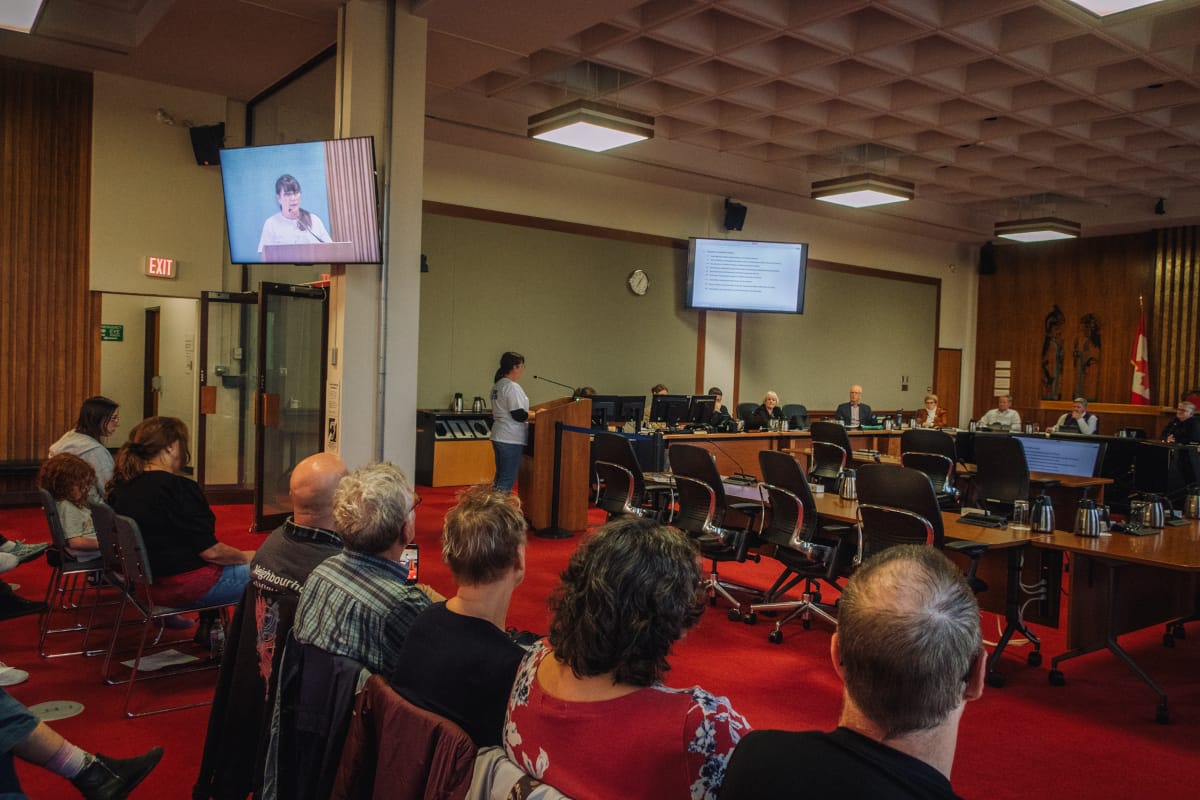
Over this past spring and summer, De Facto put tracking devices into brand-new items Ottosen bought and donated through The Backpack Project, including tents and carts.
These items were then donated to several unhoused people sheltering outside along Pandora, with those residents’ knowledge and consent for an Apple AirTag to be sealed inside.
 Ricochet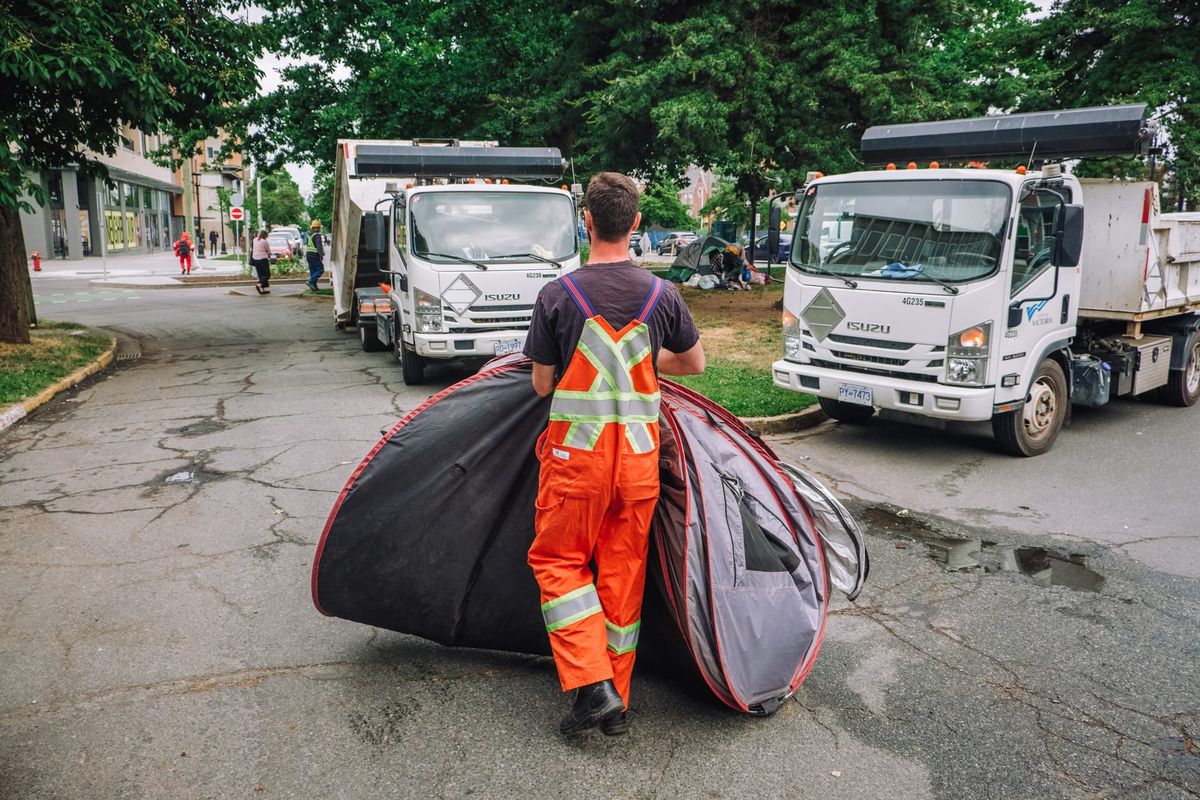
Through this investigation, De Facto documented two tents and a cart taken by bylaw officers within days of being donated.
Were they then impounded for 14 days, to be collected by their owners? Based on our investigation, no.
All three items ended up directly in the Hartland Landfill in Saanich, the Capital Regional District’s only garbage dump.
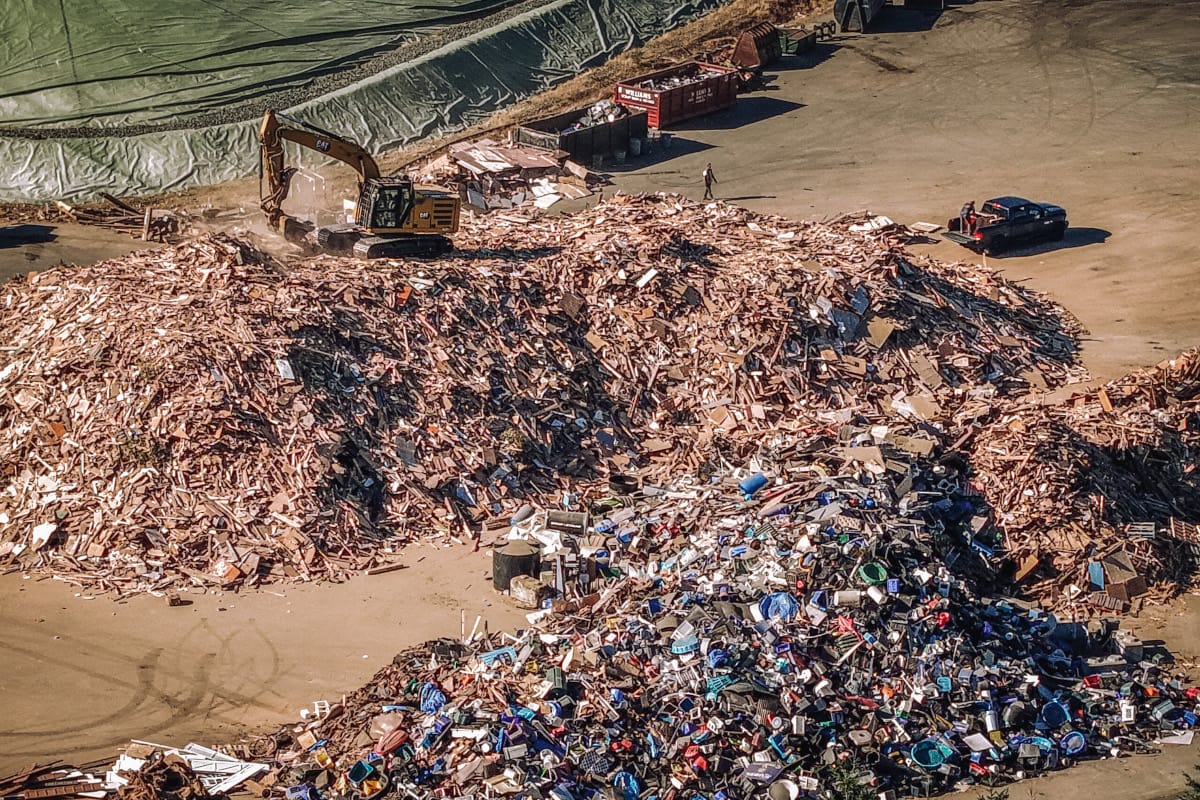
For Fred’s pulling cart, bylaw staff made no record of impounding or disposing of the items, according to Mycroft.
A second item — a tent seized in April — was thrown away, with the justification that it had no rain fly and “appeared to be abandoned.” The owner insisted it did, in fact, have a fly.
Another item, a new tent donated on June 24, was seized — recorded as ripped and soiled — three days later. It surfaced in the landfill on June 29. Its owners told De Facto they’d cut a small “peek hole” to watch out for intruders.
We also talked to numerous city staff, members of council, researchers, and unhoused people and advocates who have witnessed or interacted with Victoria bylaw officers.
All said they were aware of inconsistencies between the city’s enforcement policies and unhoused people’s experiences.
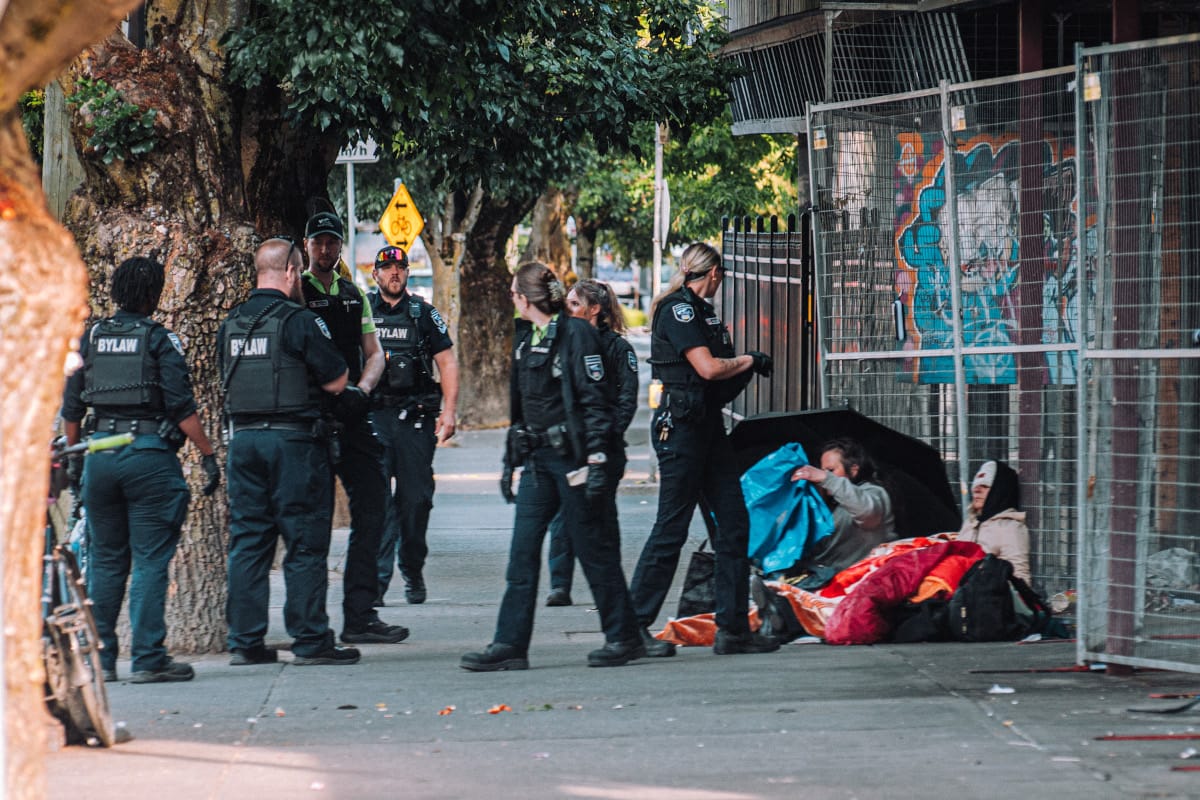
In addition to new items, many pointed out that belongings necessary for survival are also regularly discarded during bylaw officers’ sweeps.
That includes medication, identity cards, and even in several cases the ashes of deceased loved ones in both Victoria and Vancouver.
De Facto’s AirTag showed Fred’s cart, with many of his other items inside, being taken on March 30. It appeared first at 417 Garbally Rd. — a Victoria Public Works department address — about 2.5 hours after it was taken. Later that day, it ended up at the Hartland Landfill.
 Community Newsletter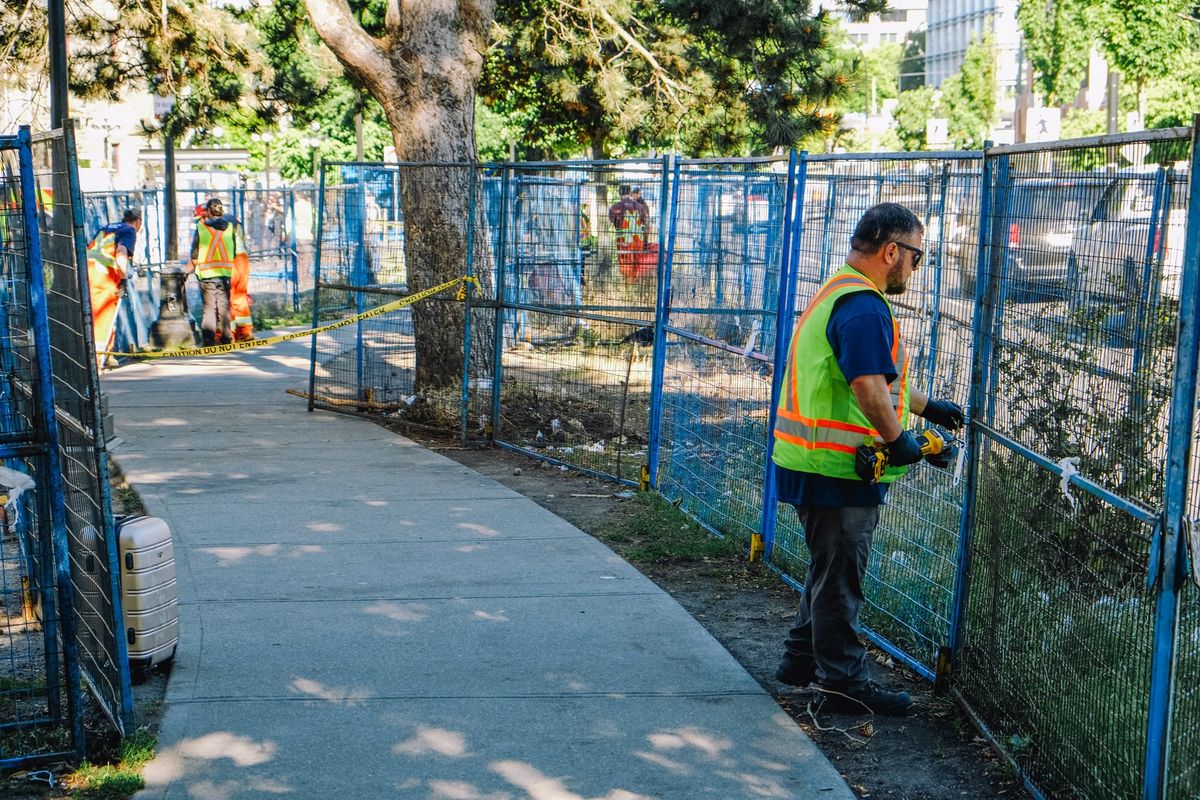
It’s unknown if, or how many of, the items donated on March 29 by first responders as part of the city's emergency response also ended up in the landfill the next day.
What we do know is that on March 29, first responders distributed survival items.
And the very next day, bylaw officers took survival items to the landfill.
Do Victoria’s bylaw officers follow city’s own policies?
Mycroft told De Facto that those policies explicitly prohibit the disposal of new, undamaged items.
“Of course we throw things away,” said Mycroft, adding that only heavily used items like broken camping chairs or dirty sleeping bags would ever go straight to disposal bins.
(City staff can deem a seized item is "rubbish" for several reasons, including if — in their opinion — it "appears to be of no resale value, is damaged or soiled to the extent ... it cannot reasonably be used," is single-use disposable, or contains an “unidentifiable, noxious or hazardous substance,” according to Victoria’s Administration of Property in City Custody Bylaw.)
Support independent journalism that boldly shines a light on law, justice and rights. Sign up or donate today
Mycroft said city workers disposed of around 5,500 kg of items every week this past summer. She estimated that about 35% of that was collected from Pandora Avenue.
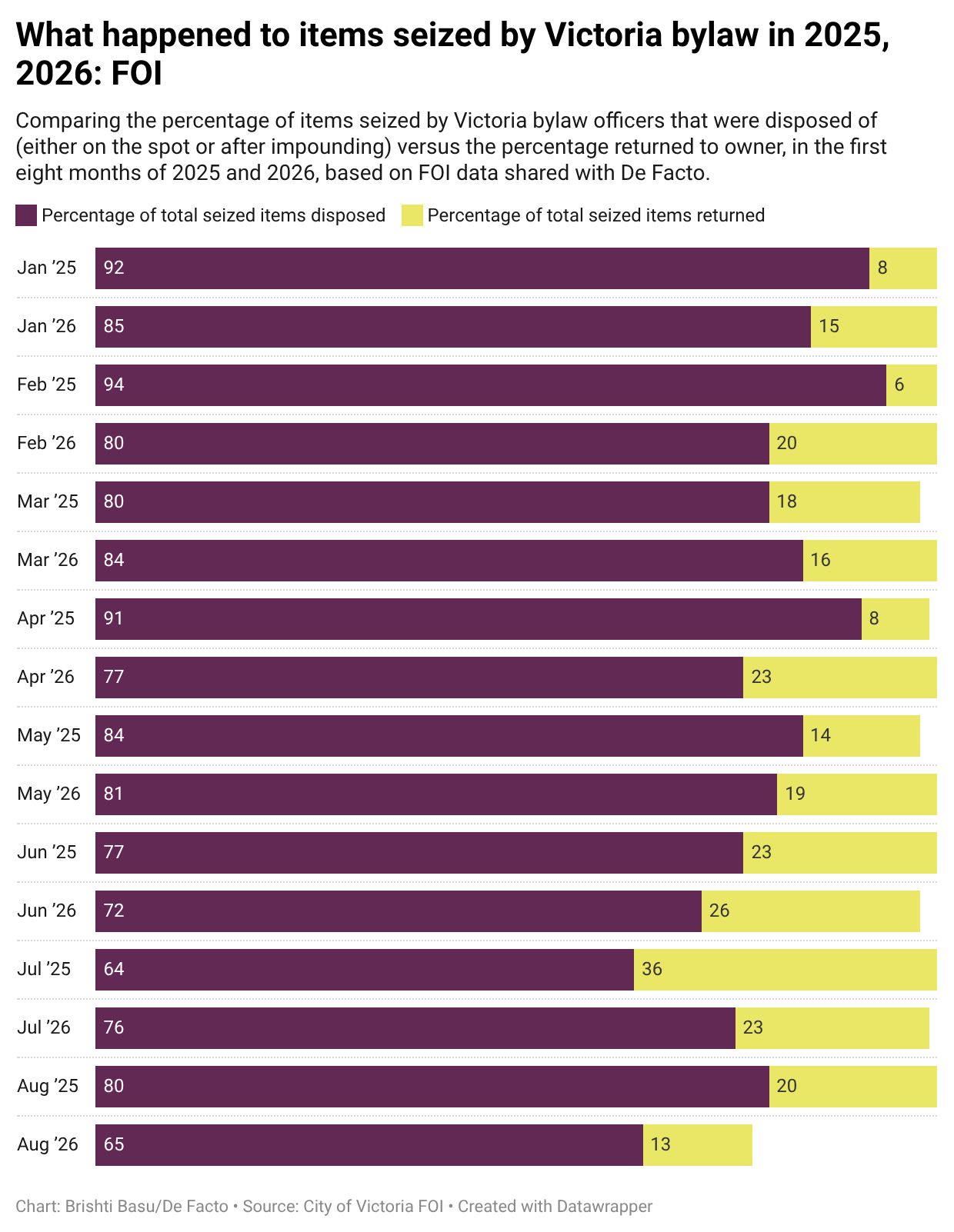
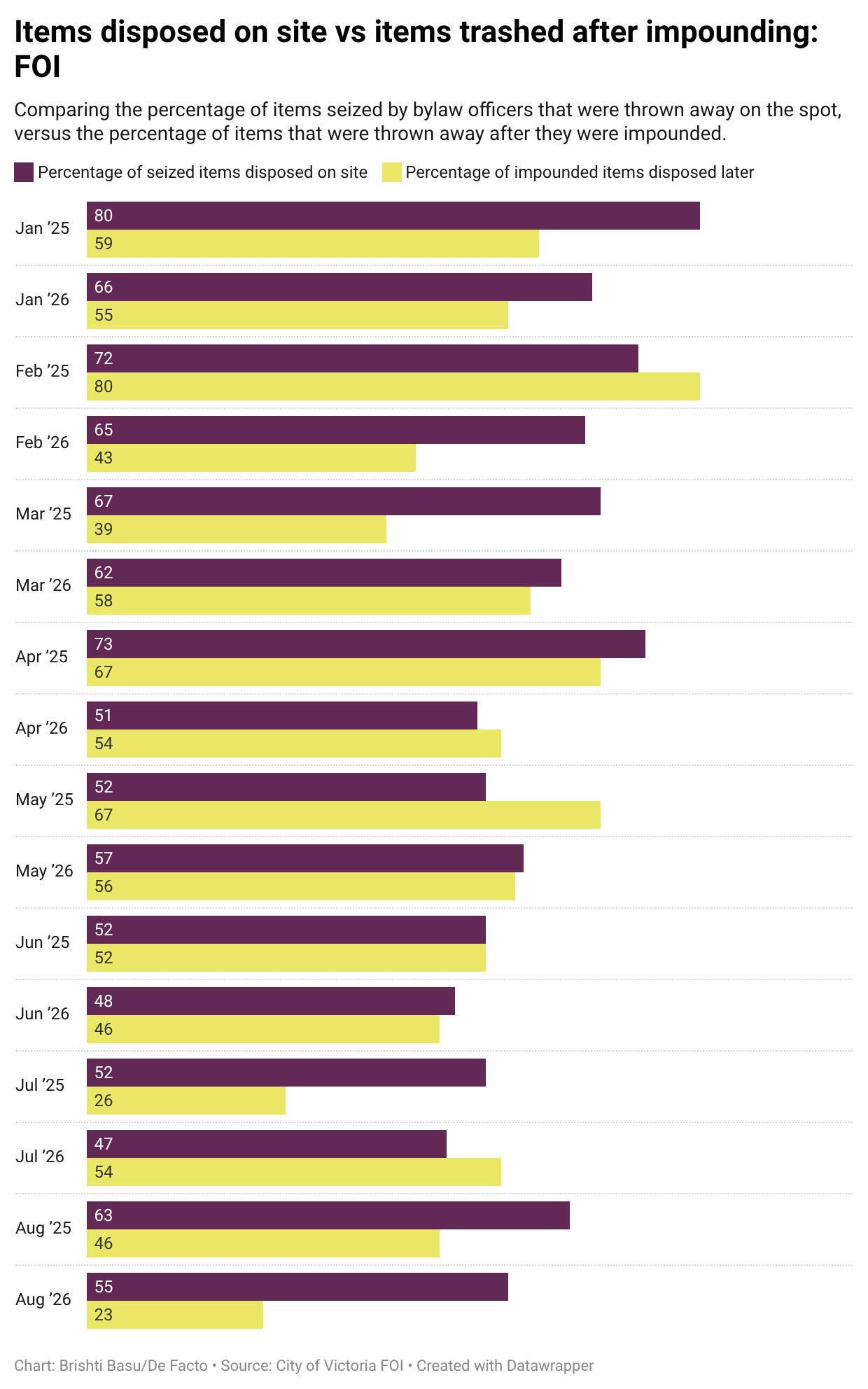
Between January and August, Victoria bylaw officers threw out on average 56% of seized belongings “on scene,” according to the results of a freedom-of-information request shared with De Facto by a University of Victoria law student working with local advocates.
When including items that were initially impounded but later disposed of, nearly 83% of all seized belongings ended up in landfill during that period.
According to the Property in Custody Bylaw, any property seized by officers can be “immediately and permanently disposed of without notice or compensation to any person if it is rubbish, hazardous material, or a bulky item.”
The bylaw states that “bulky” can include shelters if those shelters aren’t lawfully placed.
Under this definition, bylaw officers can immediately dispose of a person’s survival gear on Pandora, despite the City’s position that officers do not discard new tents.
The City claims it tries to return all “life-supporting” belongings to people without homes, since “temporary overnight sheltering is only permitted in the approved list of 34 parks.”
"Whoever's belongings those are could come and retrieve them from us.”
– Colleen Mycroft, City of Victoria spokesperson
Even items explicitly protected from disposal can be at risk of going to the trash — and not being accounted for in city records — if they are concealed within other belongings.
Mycroft said that while identification, medication, cell phones, and sentimental items are not considered rubbish or bulky, bylaw officers cannot always check for them inside other items.
“The team tries to do a thorough review of the property,” Mycroft wrote. “But it is not practical for them to look in every sock, bag, pocket amongst so much property.
“If they do find it, they return it. If the person isn't there, and these items are located, they are impounded and not destroyed.”
However Mycroft insisted that city workers “wouldn't throw a tent away that was new.”
Instead, new items would be impounded, Mycroft explained. “And whoever's belongings those are could come and retrieve them from us.”
Broadly speaking, Mycroft added, the policy does not condone the direct disposal of items that provide for people’s essential needs.
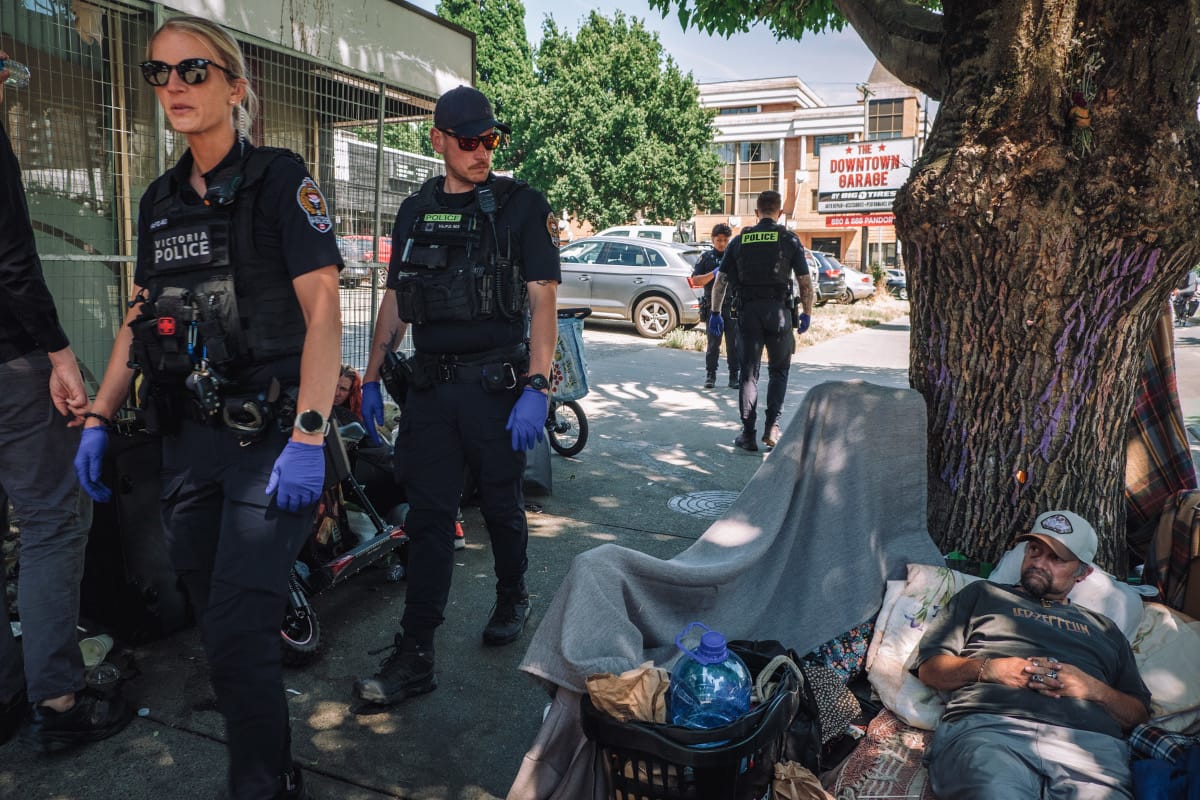
After being presented with the dates and items our investigation revealed were thrown away, Mycroft shared with De Facto bylaw staff’s own log of items that were impounded or thrown away on those dates.
There is no record of the cart that was thrown away on March 30.
Another person’s tent that was thrown in the landfill on April 7 was deemed “abandoned,” and thrown away on scene because it was missing a fly.
On June 27, when De Facto tracked a second tent being taken and later thrown in the landfill, Victoria city staff recorded disposing of two tents after deeming them “ripped or soiled” and noting one lacked a fly.
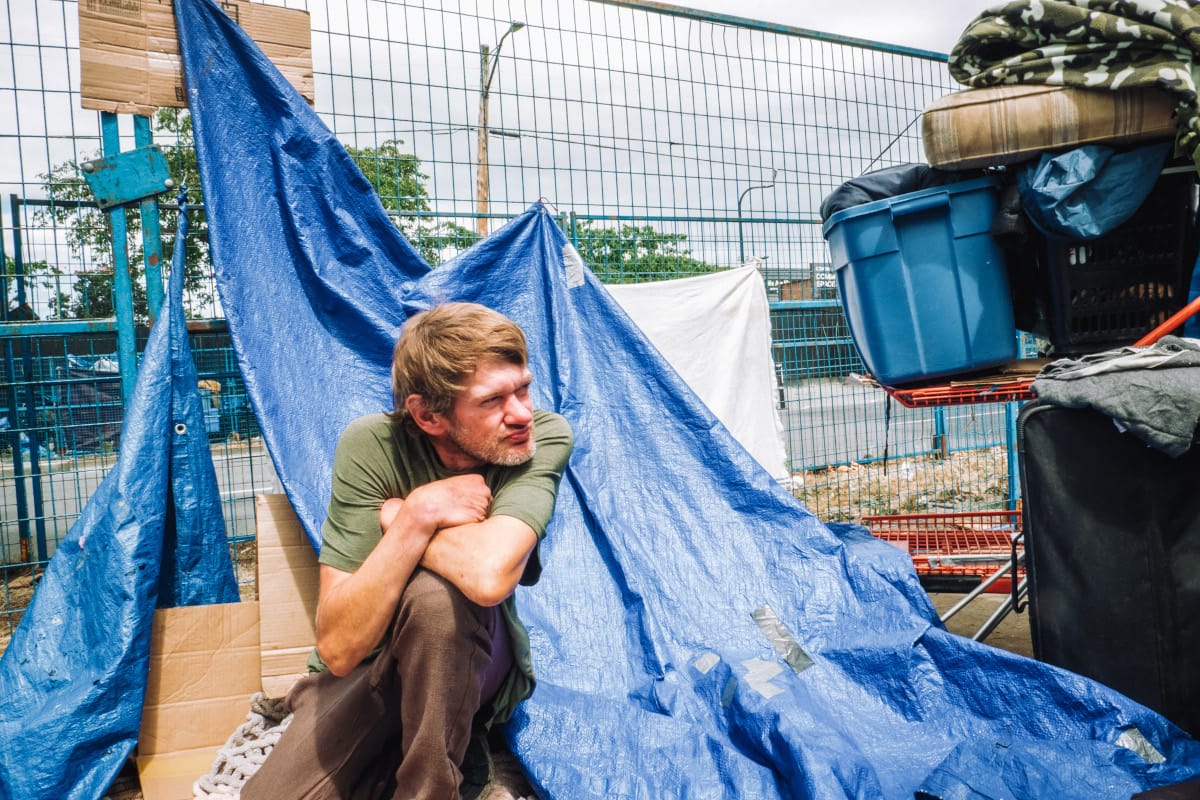
Survival items taken away
On the same cold March day Fred received his donated cart, De Facto and The Backpack Project distributed two tents to Pandora residents David, Orlanda, and Stuart.
David and Orlanda, a couple, later told De Facto their tent was seized and placed in a waste-disposal truck shortly after they received it.
“It was brand new,” David later told De Facto. “It wasn't soiled.”
Just over one week after the couple’s tent was donated, De Facto’s tracking showed its AirTag pinging a location near the same public works yard as Fred’s cart on April 6. It pinged again from the Hartland landfill the next day.
"It was brand new.
It wasn't soiled."
– David, unhoused resident
In an email to De Facto, Mycroft confirmed one tent had been disposed of that day.
She described it as a “green tent with no fly (several foil emergency blankets used as a fly) and a hanging dream catcher inside” — matching the description of David and Orlanda’s tent.
Mycroft’s email insisted the tent “appeared to be abandoned.” She added the city didn’t impound it, simply because “it was incomplete and therefore disposed of.”
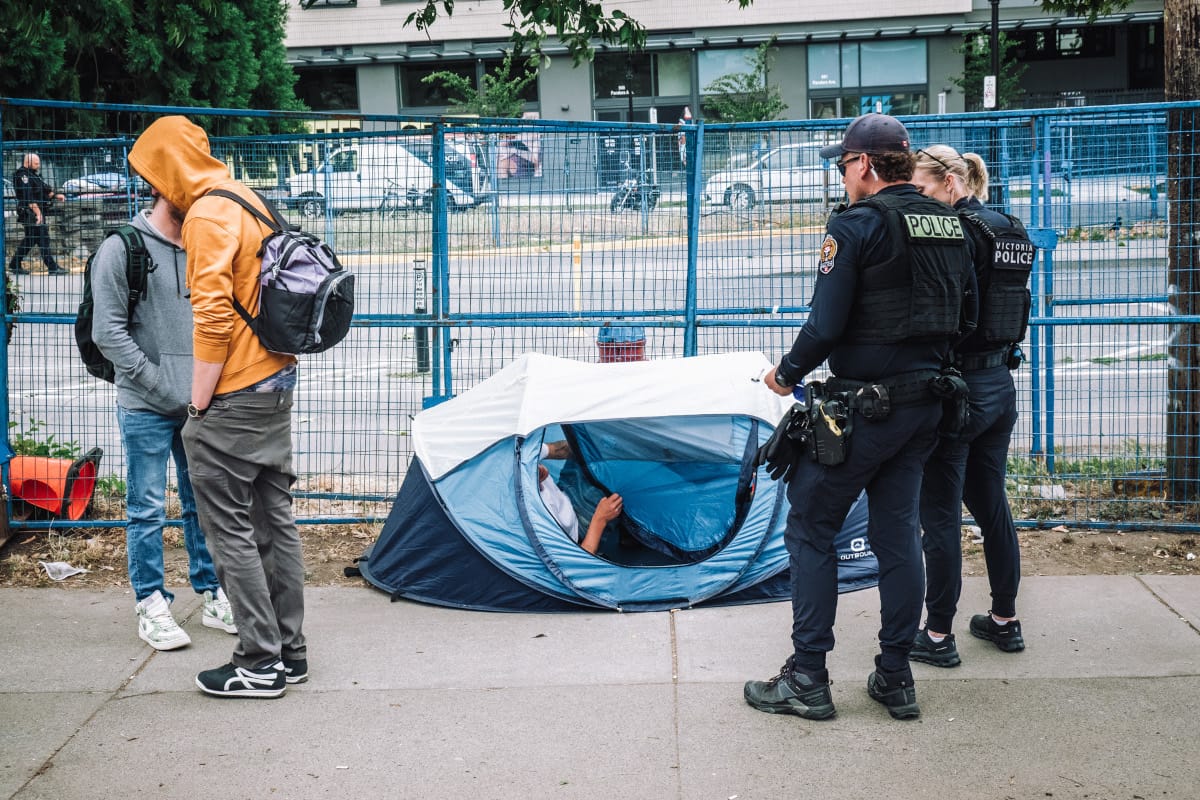
The couple said bylaw officers have, in the past, taken multiple tents and a mattress that finally granted them decent sleep after David found it in a free pile and dragged it back across town.
“They cut our tent up once,” David alleged. “They cut it up with a knife right in front of us — brand new tent.”
“We don’t even have a tent anymore,” said David. “There’s no point.”
They now sleep on cardboard, under some tarps.
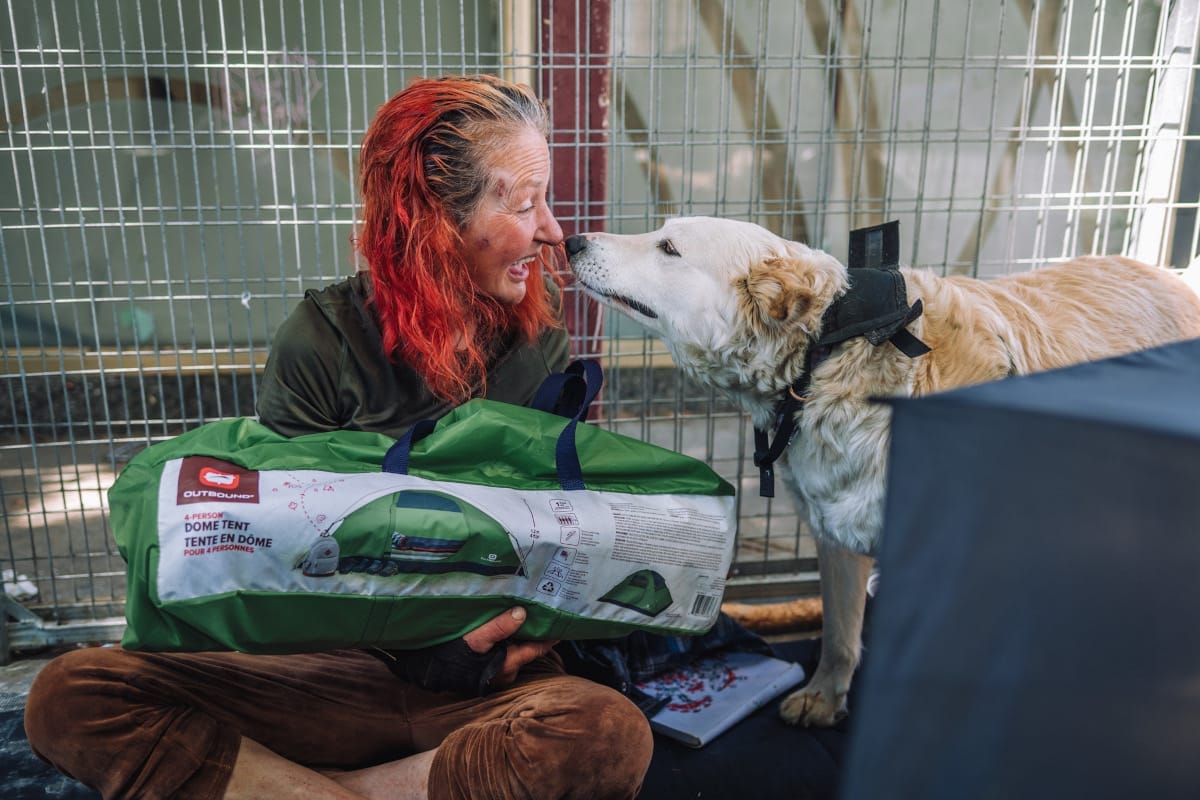
Hamel holds a donated new tent, AirTagged by De Facto, as she touches noses with her dog Thunder on June 24. Photo by Mike Graeme/De Facto
Tagged tent taken with ‘no warning’
On June 24, De Facto distributed another AirTagged tent to Mar Hamel, who has been living unhoused in Victoria for five years.
Three days later, bylaw officers seized her new tent. Hamel remembers being surrounded by officers without warning. She recalled officers cordoning off the area around her home with yellow tape reading, “Caution Do Not Enter.”
Hamel’s partner Butch confirmed to De Facto that they made a “peek hole” in the tent side. They used it to watch over their items outside the tent, and clock if bylaw was coming.
Butch said the tent still had its fly, and was in a good state and offering a functional shelter.
Mycroft pointed to the city’s Temporary Overnight Sheltering policy, which she said is to work with individuals to obtain voluntary compliance before people’s possessions are taken.
“Where a person is present and it is safe and possible to work with them, and they have capability to remove items, they are given the opportunity to do so,” she said.
But Hamel said she didn't have time to get the tent down.
“If the warning is good … I see their lights flashing and people yelling, then I have time. But if they come down here first, which they did that day, then I don't have any time whatsoever.”
Hamel got the tent on a Wednesday. By Saturday evening, the tent’s tracker showed it at the same public works yard Fred’s cart went to.
By 8 a.m. Monday, the tent’s tracker was at the Hartland Landfill.
According to Mycroft, bylaw staff recorded two tents being taken that day. One “had a hole in the side, was missing its fly, and had several pipes and pieces of open drug paraphernalia and broken glass.”
Butch described the paraphernalia as a hose for smoking; Mar said the couple doesn’t use needles.
“We're allowed to have that stuff in our homes, right?” Butch said. “That's our home.
"They come and rip the tarp off the top and they say, ‘Hey, look at that.’ Then [we get] two minutes to get dressed.”

In April, BC marked 10 years of a public-health emergency driven by an increasingly toxic and unpredictable unregulated drug supply.
Evidence shows harm-reduction measures and people’s access to clean, familiar supplies are all the more important in saving lives.
‘It’s their stuff. It belongs to them’
University of BC associate law professor Alexandra Flynn researches cycles of dispossession on the street through the university's long-term collaboration Belongings Matter: Possessions of Precariously Housed People.
“There's just so much bias against people's stuff,” the director of the UBC Housing Research Collaborative told De Facto. “It's seen as garbage.
"It's seen as unsanitary, not as people's property.”
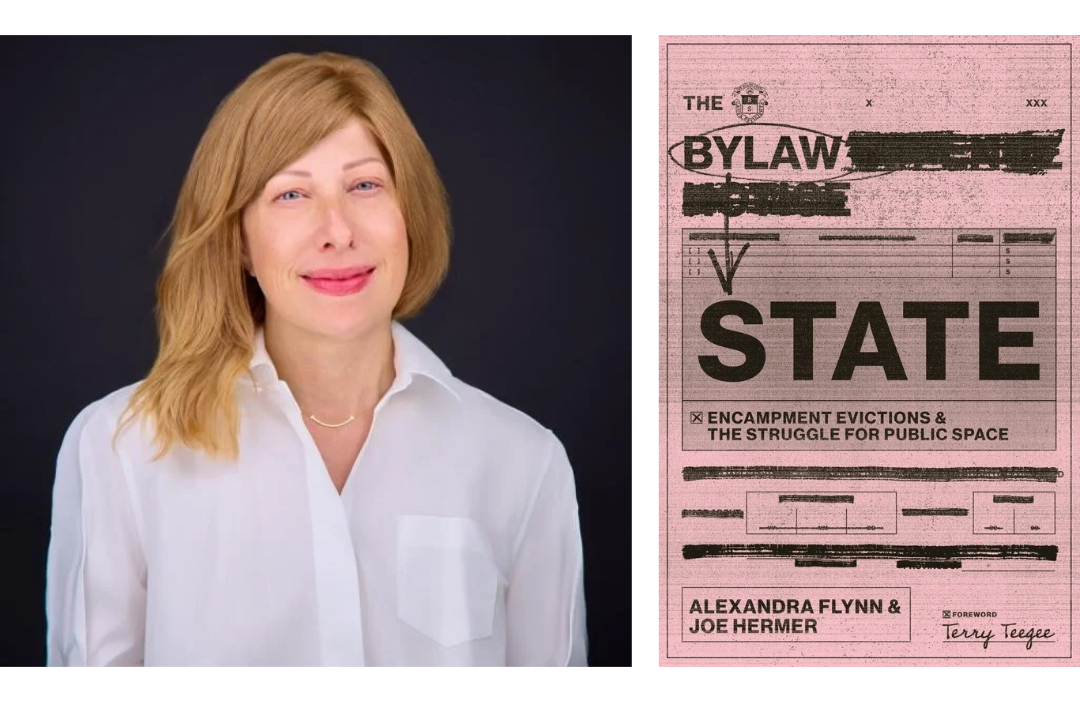
Flynn and co-author Joe Hermer recently published a book, The Bylaw State: Encampment Evictions and the Struggle for Public Space. In it, they argue that cities weaponize their bylaws to control the mobility and living conditions of poor people who are unhoused and facing a human rights crisis.
“It's their stuff,” she said. “It belongs to them in the same way that my bag and computer belong to me.”
 Drug Data Decoded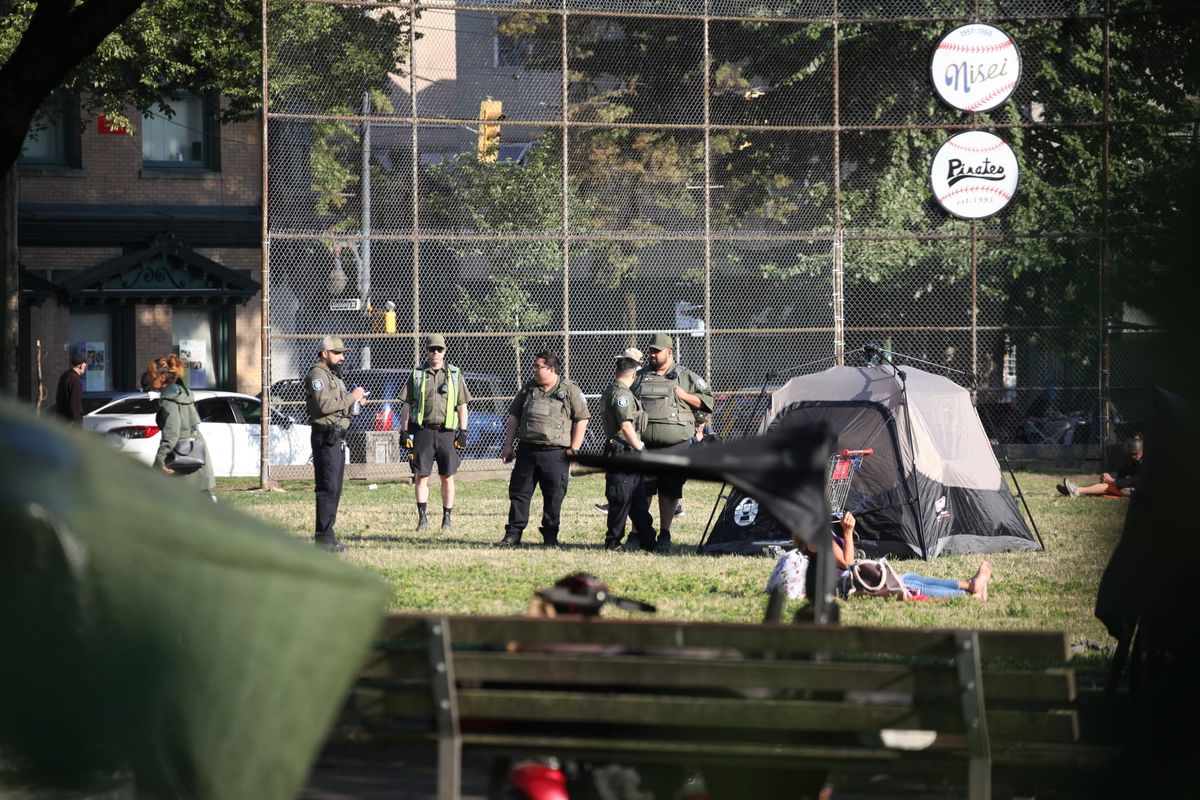
Signs of substance use or conditions associated with living outdoors are often treated as justification for discarding possessions.
Flynn said this only deepens the instability faced by people already struggling to secure housing and other basic necessities.
“It leads people to be even more vulnerable, basically, than they were before.”
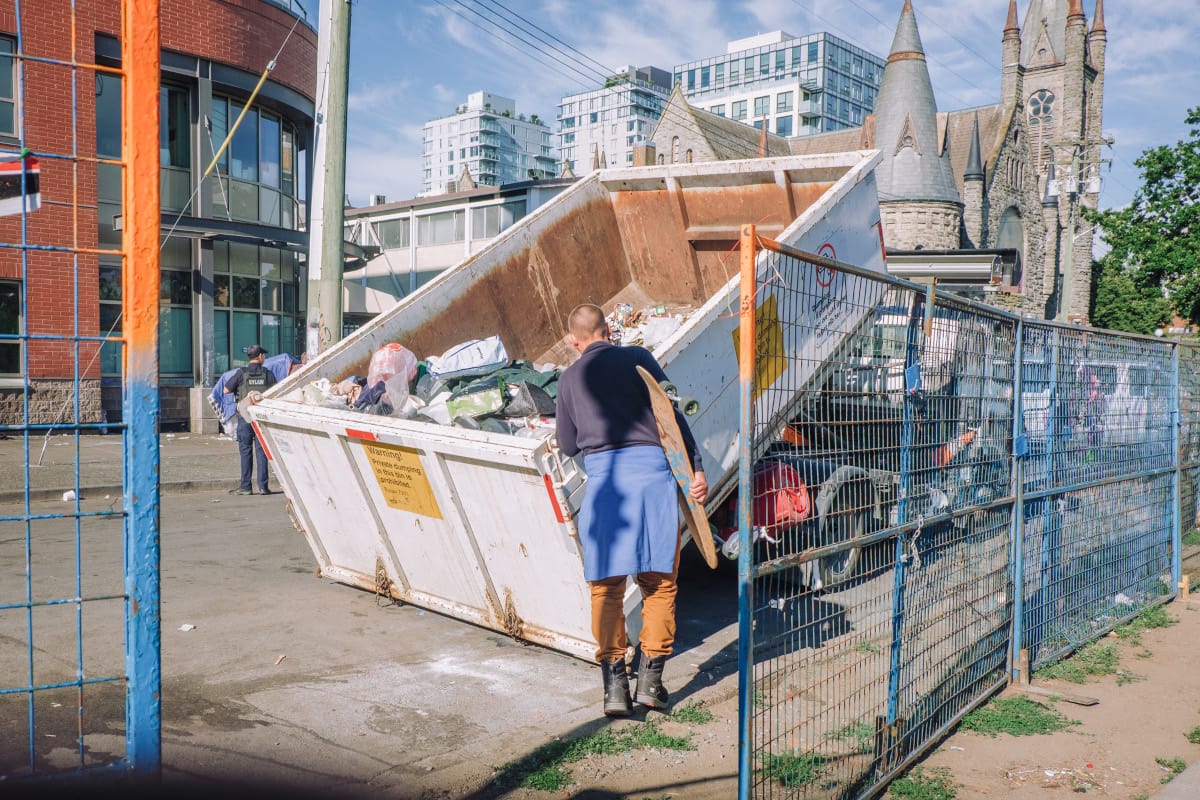
Similar to David and Orlanda, Butch alleged that bylaw officers have also caused damage to tents and other belongings before disposing of them.
“They cut them themselves,” Butch said, adding he’s had his belongings confiscated dozens of times. “They rip them right open and then say it's wrecked.”
Butch recounted another instance when he said bylaw workers disposed of his and Hamel’s clothes.
“They opened the suitcases, dumped them in the water. It was raining. [They] said, ‘Oh, they're wet.’ They got thrown away.”
Taking away possessions and shelter can destabilize lives
As a family and street medicine doctor supporting people in addiction, Dr. Jill Wiwcharuk moved to BC from Ontario about three years ago hoping to find a haven for a harm reductionist approach, in contrast to Doug Ford’s policies through which “every life-saving intervention for my patients became a politicized issue,” she said.
“Sadly, what I'm seeing is more and more similarities as BC is moving in this right-leaning, intolerant direction, a focus away from evidence-based solutions,” Wiwcharuk told De Facto. “It is so depressing.”
She administers healthcare in Victoria via mobile outreach van by the Rock Bay Landing shelter on Ellice Street, and along Pandora. Wiwcharuk said she has witnessed many incidents of “perfectly good tents,” blankets, medication, and ID being taken by bylaw officers, almost always when the owner was elsewhere.
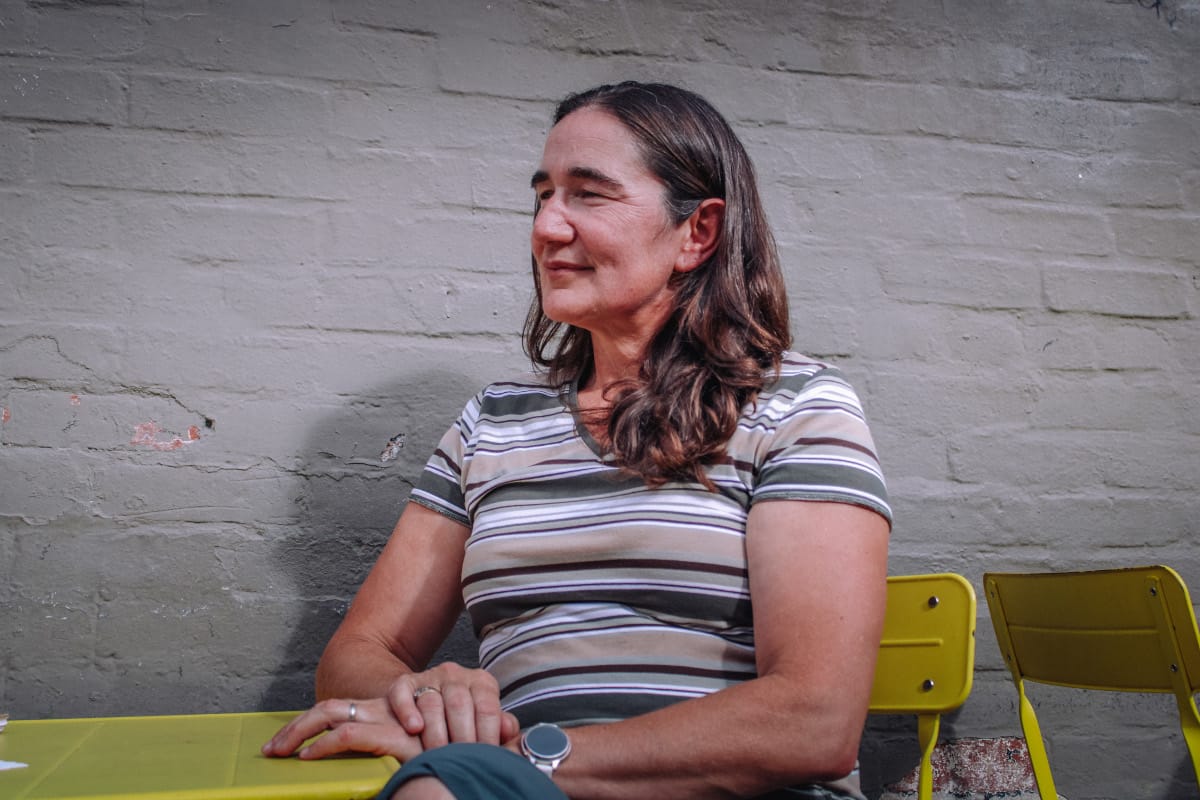
According to Wiwcharuk, bylaw enforcement causes a level of hopelessness among her patients, many of whom end up leaving their encampments after having their belongings seized by bylaw officers multiple times, and lose access to support services.
Through our own investigation over the past six months, De Facto has also encountered the effects of this displacement.
In one case, we followed a donated tent for months after being unable to re-locate the person it was given to.
On the same day that Fred, David, and Orlanda received their donations, we gave a tagged tent to Stuart, another unhoused person sheltering along Pandora Avenue. About two weeks later, we found this tent pinging at 1703 Monterey Ave. — the address of both the Oak Bay Police Department (OBPD) and fire hall.
De Facto then embarked on a months-long process of trying to find Stuart again. We called and texted his phone, left messages on Facebook, and talked to people who might know his whereabouts. But to no avail.
We still have not found Stuart. However, Oak Bay Police Sgt. Manuel Montero was able to provide some answers about the tent after we described it and provided the evidence we had on when it ended up in their custody.
“OBPD members were dispatched to Trafalgar Park in Oak Bay following a complaint from a neighbouring resident that a red wagon, two suitcases, and a tent had been left unattended in the park for several days,” Montero wrote in an email.
"It's their stuff. It belongs to them in the same way that my bag and computer belong to me."
– Alexandra Flynn, UBC Allard School of Law
He said officers tried calling the phone number on one suitcase, but it went to a voicemail box that had not been activated and they could not leave a message.
“They were also unable to locate any other information within the property that would identify the owner,” Montero wrote.
“As a result, the property was seized and retained for safekeeping. The property was subsequently not claimed and has since been deemed abandoned.”
Montero met with De Facto at the Oak Bay Police Station in September, allowing us to verify that the tent in their possession was, indeed, the one with the AirTag sewn within.
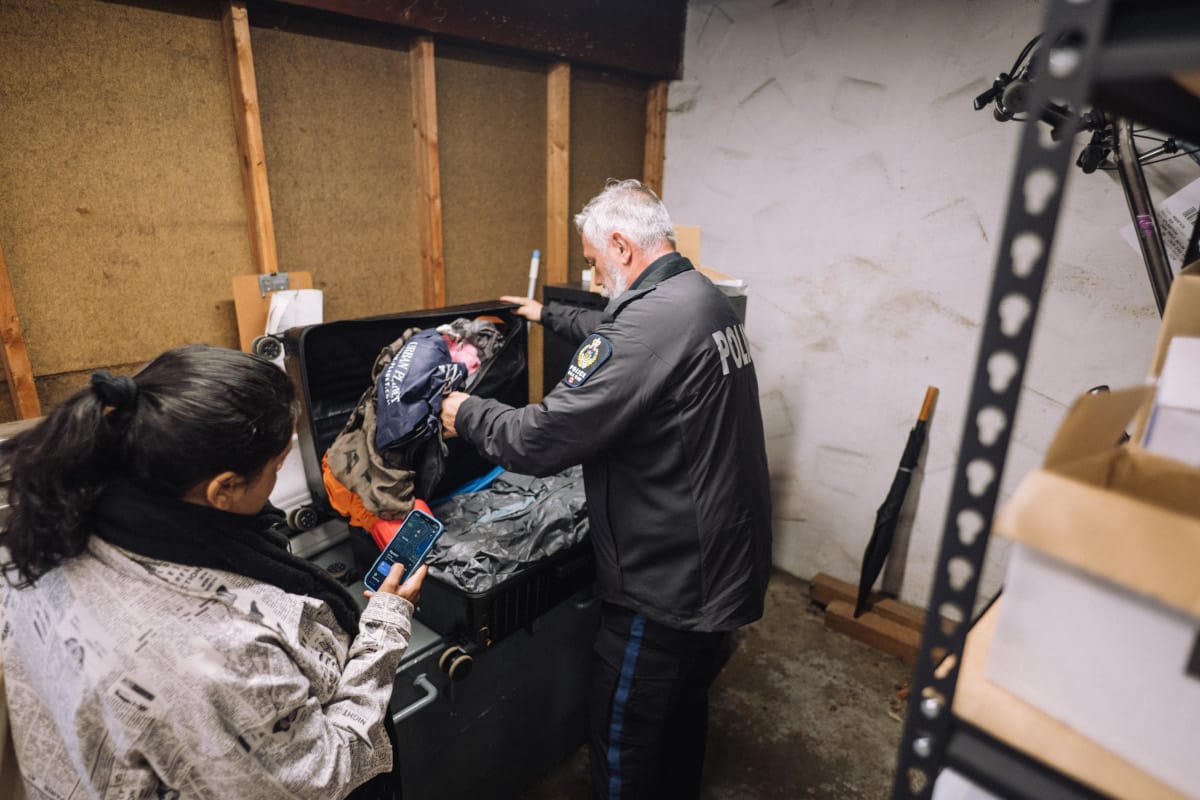
He then returned the tagged tent to us, stating that the rest of the items would be donated to The Salvation Army unless they were claimed within 90 days.
In Victoria, a municipality bordering Oak Bay, impounded items are only held for 14 days before they go in the trash.
As a street doctor, Wiwcharuk has seen first-hand how similar experiences of displacement — including losing one's belongings — can have profound consequences.
One particular man’s ordeal remains “ingrained” in her mind. He lived in a local encampment, she recounted, waiting “months and months and months” for housing.
Support independent journalism that boldly shines a light on law, justice and rights. Sign up or donate toda
“Finally, he got the place, he knew it was coming up,” Wiwcharuk said. “An outreach worker came for him to sign the lease [but] he had been displaced.
“He was elsewhere, and they couldn't find him — and he lost out on this place.”
It is not clear whether Stuart has access to any type of support since we last saw him.
This is the first part of a series; check back for part two this week. Sign up for our newsletter to get alerted as soon as it’s out.

Editors: David P. Ball and Cam Welch
This story was updated at 11:30 a.m. on Oct. 13 to add images of Alexandra Flynn and The Bylaw State, and to reorder later images.

Brishti Basu
Brishti Basu (she/her) is a member of the De Facto co-operative and a reporter/editor living on unceded lək̓ʷəŋən and W̱SÁNEĆ territories, otherwise known as Victoria, BC. Her reporting over the last eight years can be found in over 15 Canadian and international publications, including CBC, Capital Daily, VICE, National Geographic, and BBC. She's been a shortlisted finalist for awards from the Canadian Association of Journalists, Jack Webster Foundation, and Canadian Online Publishing Awards. Read her reporting

Mike Graeme
Mike Graeme (he/they) is a white settler photojournalist and member of De Facto cooperative documenting stories of resistance and justice on the unceded lək̓ʷəŋən and W̱SÁNEĆ territories. His photos and writings have appeared in more than 25 media outlets and nonfiction books across Canada and the US, including The Narwhal, The Tyee, IndigiNews, and The Nation. He's won a Jack Webster Foundation award, and been a shortlisted finalist for two John H. McDonald Excellence in Student Journalism Awards. Read their reporting