DULF founders’ trafficking charges thrown out in BC Supreme Court ruling on constitutional challenge
Justice Catherine Murray applauds Eris Nyx and Jeremy Kalicum, declares a section of the Controlled Drugs and Substances Act unconstitutional


The verdict:
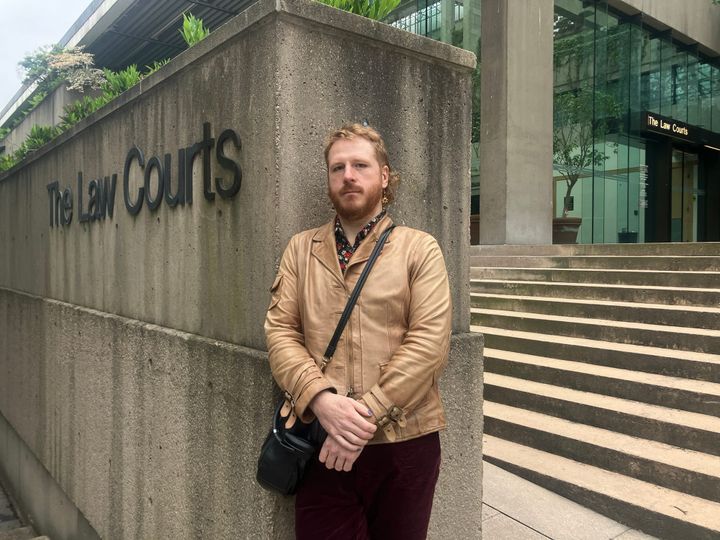
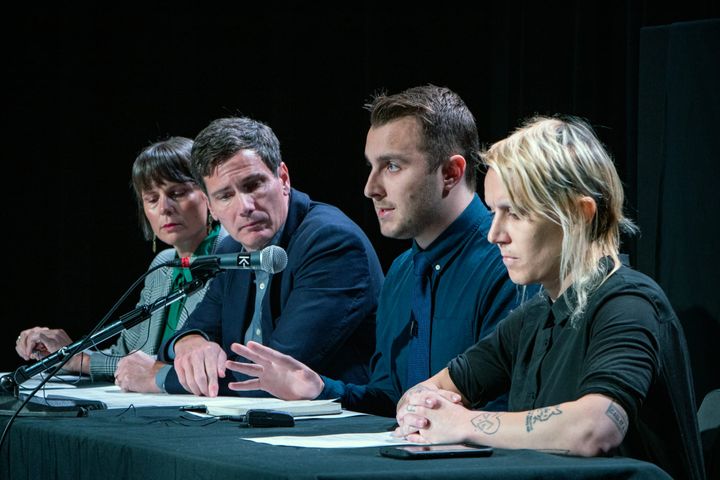
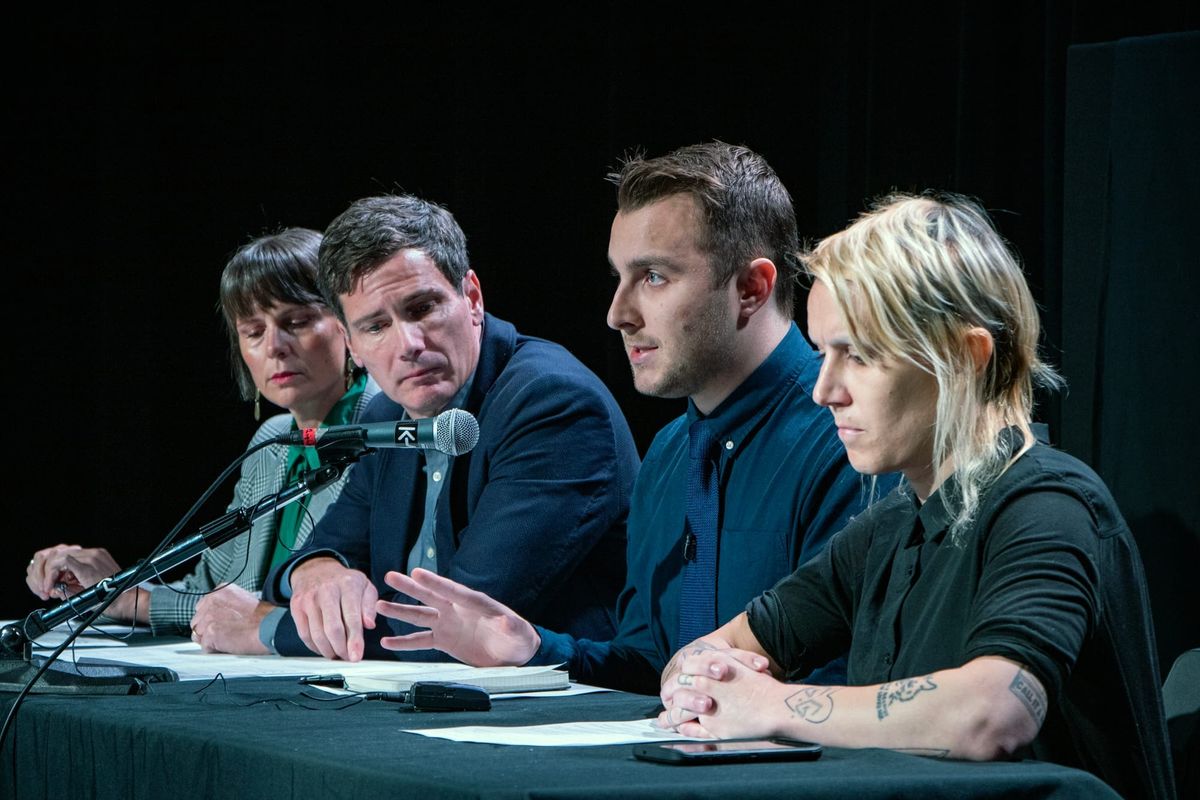
In a monumental decision, BC Supreme Court Justice Catherine Murray threw out charges against Jeremy Kalicum and Eris Nyx, two co-founders of the Drug User Liberation Front (DULF).
Murray declared that section 5(2) of the Controlled Drugs and Substances Act (CDSA) is a violation of section 7 of the Canadian Charter of Rights and Freedoms in its current form, and therefore the charges against the two were invalid.
The ruling closes at least one chapter of a yearlong court battle after a November 2025 ruling in which Nyx and Kalicum were found guilty of possession for the purpose of trafficking for running an unsanctioned compassion club.
Support independent journalism that boldly shines a light on law, justice and rights. Sign up or donate today
DULF’s compassion club sold tested heroin, methamphetamine, and cocaine to a handful of members, with full knowledge of politicians and the Vancouver Police Department (VPD).
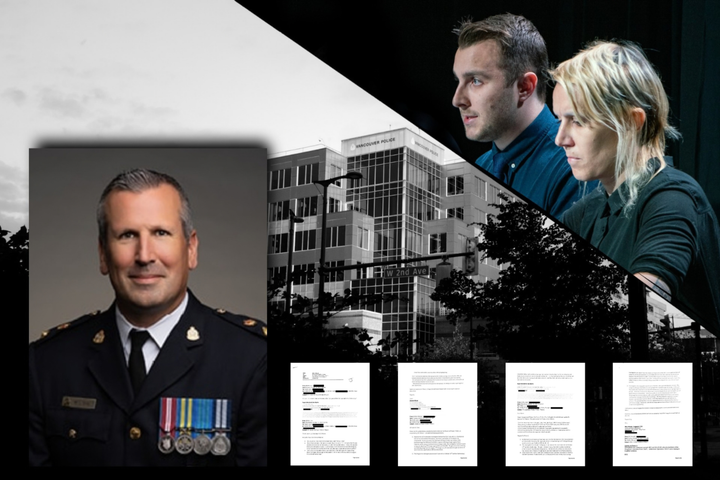
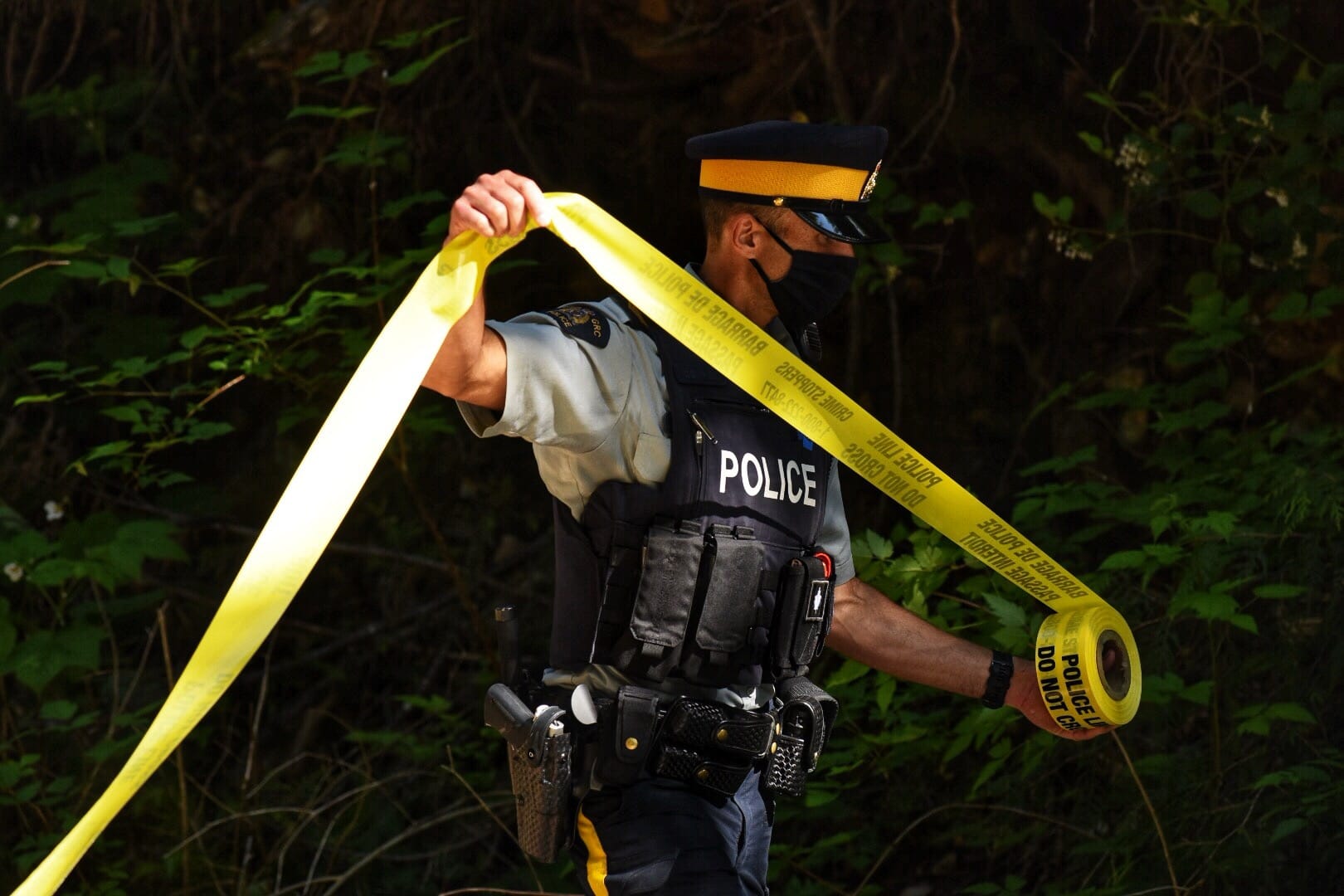
On Monday, De Facto reported on the degree to which the VPD initially supported DULF — and the lengths they later went to pursue more serious charges and to convince prosecutors that the charges were in the public good.
 De Facto Journalism Co-op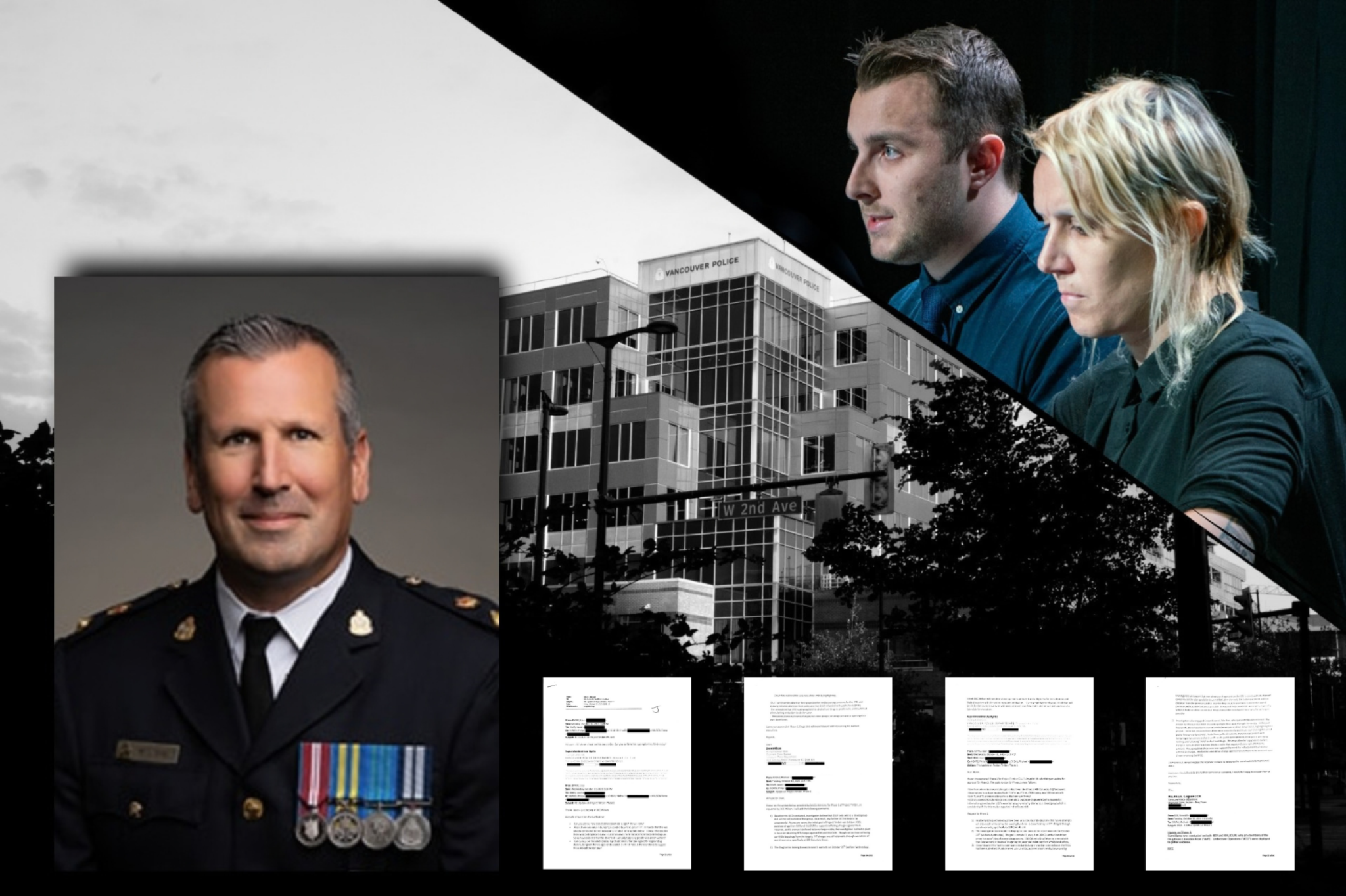
What Justice Murray said in court:
Murray spoke for just eight minutes in court, leaving the bulk of her decision to a 72-page written ruling. In her verbal decision, she largely gave the high-level points of the decision.
But she also addressed Kalicum and Nyx directly, saying:
- “You selflessly put yourselves to the side for this cause, and it’s something that most people wouldn’t do. … I know from watching you through this very lengthy court process that it’s taken a toll. You put your lives on hold for many very valuable years.”
- “I applaud you for what you’ve done. I think you should be very proud of yourselves. And I think it’s people like you who make a difference, and you just did. So go do great things. I have no doubt that you will.”
What the lawyers said:
The prosecution:
- No comment. (The Crown has 30 days to appeal the case.)
The defence:
- “The court’s judgment was based on a very deep body of evidence that was put before her,” lawyer Tim Dickson said, citing five experts on non-medicalized safe supply, Nyx and Kalicum, two DULF members, several advisory groups comprised of dozens of experts that recommended non-medicalized safe supply, and a Health Canada employee who was subpoenaed to appear.
- “This case is about the federal and provincial governments’ refusal to implement that life-saving measure,” Dickson added, referring to non-medicalized safe supply. “And it is also about how federal legislation effectively blocks any effort to implement that measure.”
- “Drug policy should not rely on people as courageous as Ms. Nyx and Mr. Kalicum. The governments need to follow the evidence and make the hard choices to implement programs that actually will work to save lives.”
What s 5(2) says, why Murray found it unconstitutional, and what the ruling means:
This is the section of the CDSA that criminalizes possessing drugs for the purpose of trafficking. That’s similar charge to trafficking drugs, but comes with a lower burden of proof and lighter sentencing.
You selflessly put yourselves to the side for this cause, and it’s something that most people wouldn’t do.
– Justice Catherine Murray, addressing the defendants
“The applicants argue that because non-medicalized safer supply programs necessarily involve possession for the purpose of trafficking, they are prohibited from operating such a program by s 5(2) of the CDSA,” Murray wrote in her decision.
“That prohibition interferes with the life and security of the person interests of DULF members by barring access to a life saving measure, and the liberty interests of the applicants and DULF staff by exposing them to the threat of imprisonment.”
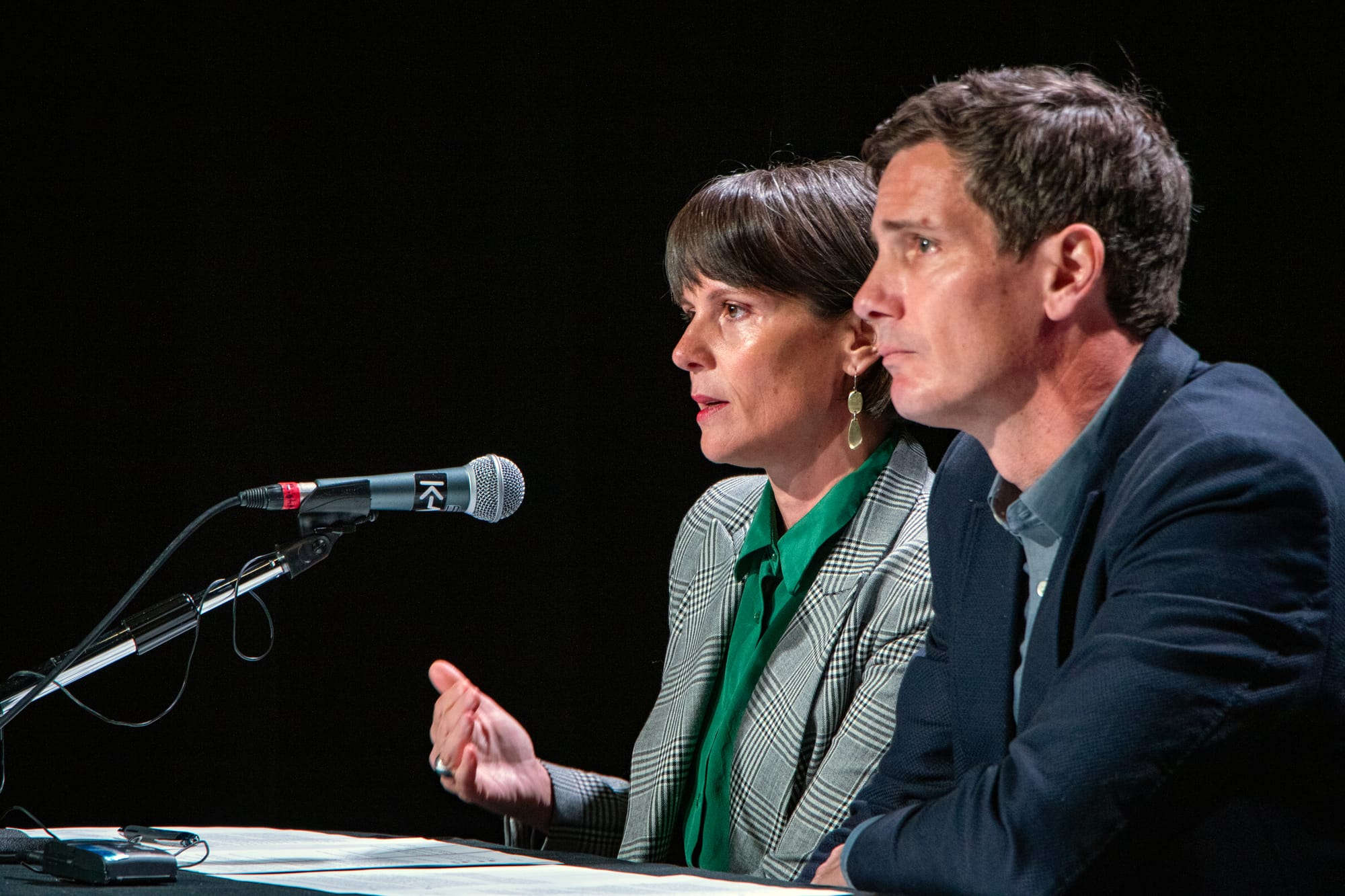
Murray agreed with Nyx and Kalicum’s lawyers’ argument, finding:
- The DULF compassion club saved lives and did not negatively impact public safety
- The compassion club had positive outcomes, including reduced hospital use, improved safety, and reduced exposure to violence
- That the safety valve in s 56 doesn’t provide a real pathway to running a non-medicalized safe supply model
- That refusing to provide a non-medicalized safe supply model subjects people who use drugs to a dangerous, unregulated supply.
In agreeing with that argument, Murray ordered the federal government to amend the CDSA to bring it into constitutionality — particularly by making space for non-medicalized safe supply to operate.
What does it all mean, and what’s next?
DJ Larkin, executive director of the Canadian Drug Policy Coalition called this ruling “a total vindication of how communities save lives, how communities can come together to take care of each other.”
“The people who are in communities of people who use drugs will act in the public interest, they will act to save a friend and without any benefit to themselves,” Larkin said.
The Crown has 30 days to appeal
If the Crown appeals, Larkin noted they have a few options:
- appeal the finding that s 5(2) of the CDSA is unconstitutional
- appeal the decision to throw out the charges
- or appeal both.
If they only appeal the finding about the CDSA, that would leave Kalicum and Nyx’s charges thrown out.
“I hope, if they appeal at all, they only appeal the findings about the legislation,” Larkin said. “It would be inhumane to drag these two folks through more levels of court. They need to be able to move on with their lives.”
It would be inhumane to drag these two folks through more levels of court. They need to be able to move on with their lives.
– DJ Larkin, Canadian Drug Policy Coalition executive director
The feds have 6 months to change the laws
The federal government also has six months to amend s 5(2) of the CDSA before it becomes inactive in BC, according to Murray’s ruling.
The defence lawyers and Larkin both said they hope the federal government does so in a way that actually creates a real pathway to run non-medicalized safe supply programs that don’t offer too much space to deny them.
“Drug policy should not rely on people as courageous as Ms. Nyx and Mr. Kalicum.
The governments need to follow the evidence and make the hard choices to implement programs that actually will work to save lives.”
– Tim Dickson, defence lawyer for DULF founders
“Because as we’ve seen here, that wide-open discretion makes it very vulnerable to politicization,” defence lawyer Stephanie Dickson said. “So guardrails around that so that decisions can be made with reference to evidence is essential.”
However it’s not clear how the government will act, as both the provincial and federal governments have defunded and reduced access to medicalized safe supply programs in the past year.

Editors: Brishti Basu and Cam Welch
Dustin Godfrey
Dustin (they/them) is a De Facto member and a reporter based in Vancouver, BC, on Sḵwx̱wú7mesh, xʷməθkʷəy̓əm, and səlilwətaɬ territories. Their work has also appeared in The Guardian, The Tyee, The Globe and Mail, The Maple, Filter Magazine and an independent newsletter where they’ve focused on policing, drug policy, health and housing. They've won awards from the Jack Webster Foundation, Canadian Community Newspaper Association, BC and Yukon Community NewsMedia Association. Read their reporting