$1M to deport 7 people by private jet
Post Facto: Cop pursued woman in his case. Farm work in extreme heat. Universities' secret protest-response network. SRO foreclosures could fuel homelessness.
We submitted our first series for a major award
Our small, new, co-op outlet will be up against some of the biggest media networks in the country. But we believe our investigative work stacks up with the best and stands out in how it provides our readers (that’s you) with extensive context, and focuses on those most-affected — but often least-represented — in coverage.
Bringing these issues to light will always be its own reward (although it never hurts to also get a nice little trophy).
We’ll never have the budget of a major Canadian newsroom. But know that when you support us, with whatever you can afford, that money goes right into getting more hard-hitting stories like these out into the world.
THE SERIES: At a time when many Canadians were shocked by the actions of ICE in the US, our 5-part debut looked at how migrant/immigrant rights and safety are being eroded by policing practices and government policies in Canada.
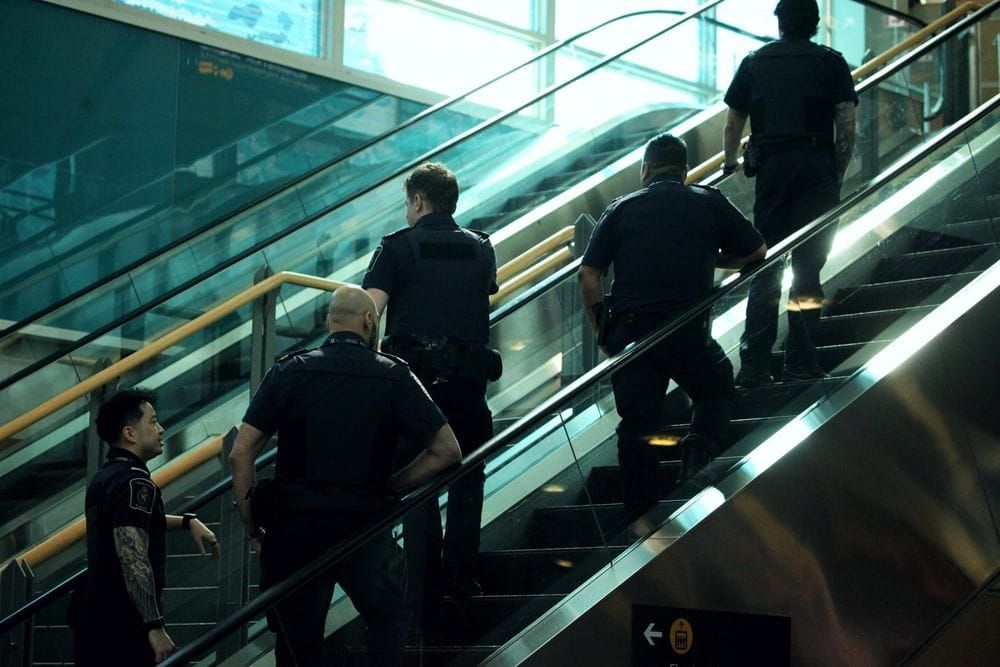
Using docs obtained via FOI requests to both Canada Border Services Agency (CBSA) and multiple police forces, the series revealed that:
- Vancouver Police calls to CBSA rose 80% year-over-year,
- Transit police failed to properly document 90% of calls made to CBSA, despite clear policies
- Metro Vancouver police forces called CBSA on 7,000 people in a decade
The series also looked at migrant workers' conditions, organizing efforts, and fears that Canada's recent Bill C-12 would exacerbate the "two-tier system."
Today in Ex Facto we return to these subjects with stories from around Canada about the massive cost of Canada's deportation machine and the conditions migrant workers face in this hot and fiery summer.
Plus: New news on police conduct, universities' secrecy, and more.
— Cam Welch
Ex Facto
News we're reading about migrant rights, policing, transparency, and other subjects we cover.
Saanich officer pursued relationship with woman whose file he handled
— and breached privacy by gossiping about her case
Texts in a ruling from BC's information and privacy commissioner (OIPC) show the officer sought a casual sexual relationship but was wary of it getting back to his workplace, ex, or the family and friends he kept updated on “all the drama” of the case.
The woman came forward to Victoria Buzz, saying that she participated in those 2023 text conversations — but not anything more — because she believed the officer could influence her case. She had filed a 2022 complaint about online harassment and impersonation, and was herself temporarily the subject of other police complaints due to the impersonation.
 Mike Kelly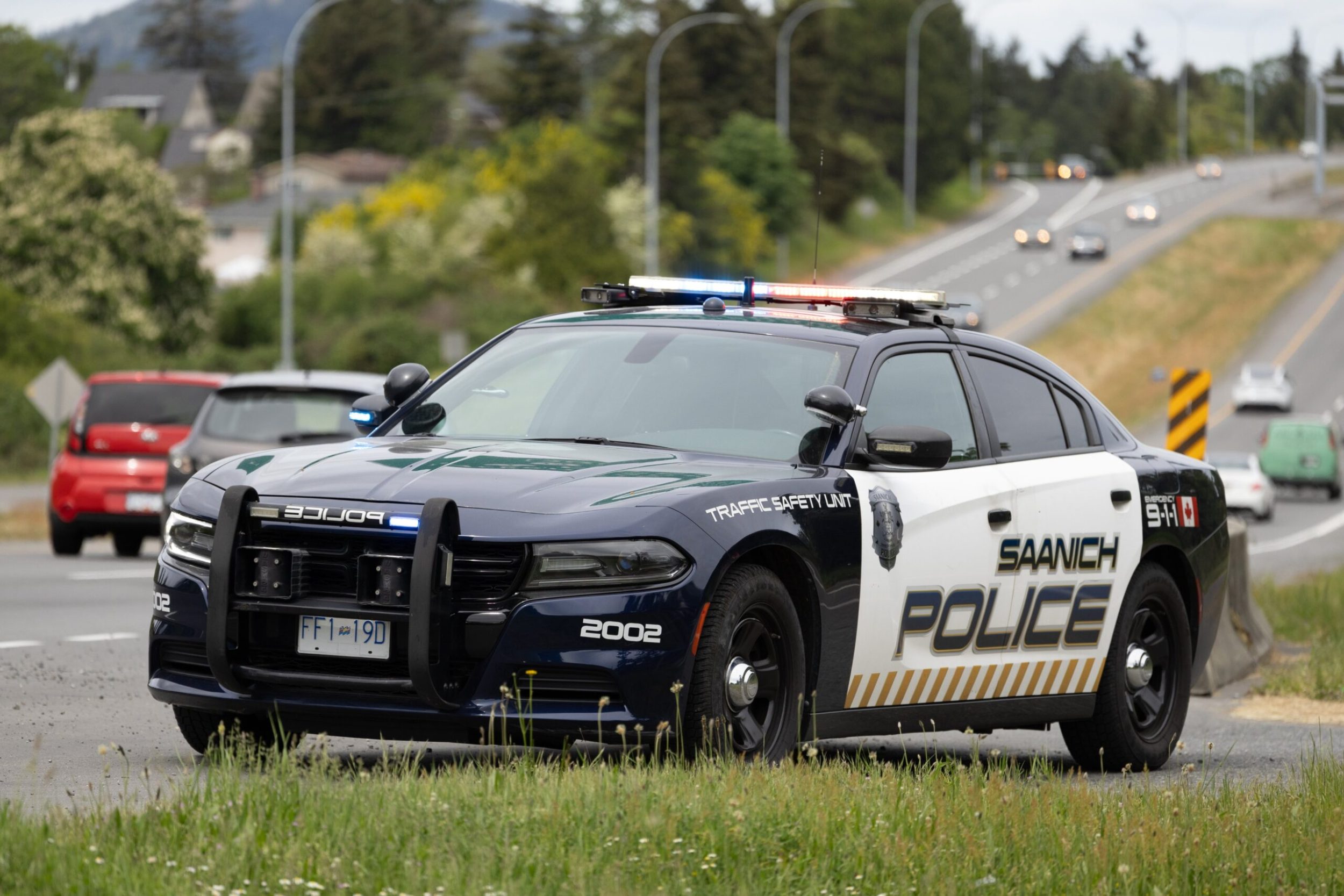
She sent Saanich Police a complaint about sexual messages and soliciting images, and says the officer’s behavior then improved. But she later wasn't deemed eligible for an investigation through BC's Office of the Police Complaint Commissioner (OPCC) because she initially accepted an apology and, while still hoping for the officer's help, said she didn't want an investigation.
Department’s privacy policies “significantly lacking”
She later sent a letter about the privacy concerns and then filed a complaint with the privacy commissioner with the privacy commissioner, which recommended changes after determining SPD didn't properly address those allegations — or even acknowledge her letter. SPD policy also didn't distinguish between legitimate access to case info vs. legitimate use of it.
Border Services spent nearly $1M to deport 7 people using private jets
These 2021-22 numbers also include 2 detainee transfers within Canada, and were obtained by the Globe and Mail’s Marie Woolf through access-to-information. An agency spokesperson said these pricey charters are “rare” and for “exceptional circumstances” such as behavioural risk, specialized medical care, or lack of direct commercial flights to the destination country.
Canada plans to spend $294M on immigrant detention and removal in the 2025-26 fiscal year — a huge jump from $208M in 2024-25 and $167M in 2023-24.
 Marie Woolf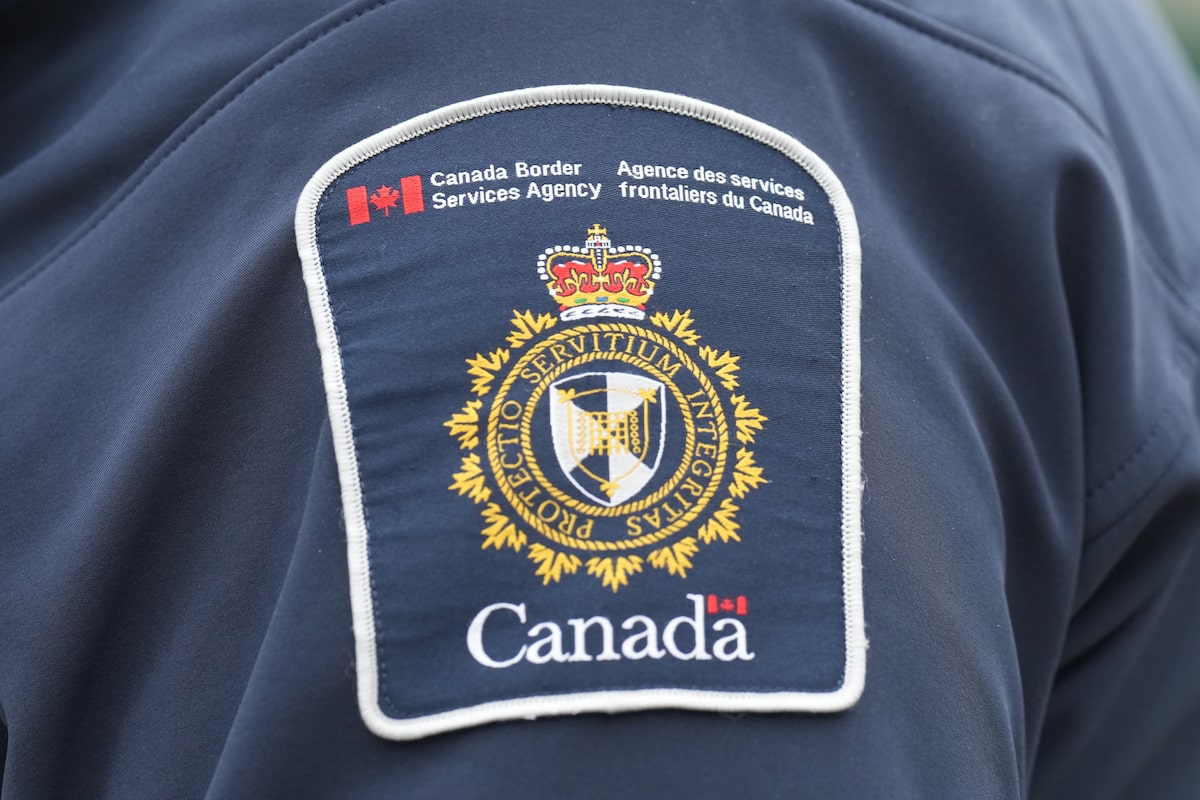
Canadian universities set up ‘absolutely secret’ network for Gaza protest responses, and deleted records about it
A years-long investigation by David Slater and Euan Thomson for The Breach reveals that 30 institutions held ongoing communications, through the Sharepoint platform, to surveil and disrupt student encampments and other actions for Palestine.
 Euan Thomson, David Slater
“Delay, delete, deny” tactics
The investigation was frequently hampered by multiple universities deleting logs of their communications with the network, often contravening their own information policies. Reporters Slater and Thomson (of Drug Data Decoded) were able to piece together information; one university’s documents sometimes revealed partial information about another’s, or had key differences from what the same university had provided for a related request.
Alberta-specific network also collaborated with UCP and police
That smaller, related network was coordinated mainly out of the business-friendly MacEwan University. An unrecorded May 2024 meeting was held a week before a police crackdown at the University of Calgary that left students pepper-sprayed and concussed. Thomson is among 9 people suing the city, U of C, and police for excessive force and breach of Charter rights.
8 migrant agricultural workers have died in Ontario this summer, rights group says
Not all have been confirmed and classified as workplace deaths; Ontario's workplace safety board told the Narwhal's Rajpreet Sahota that it has had claims for no more than 5 foreign agricultural worker deaths in 2026. A professor with Justice for Migrant Workers said 3 deaths were transportation-related and that deaths caused partly by workplace overexertion or exposures often aren't counted as workplace deaths.
Workers say they've had to work in extreme heat and are often not provided with enough shade, air cooling, or water.
 Rajpreet Sahota and Sid Naidu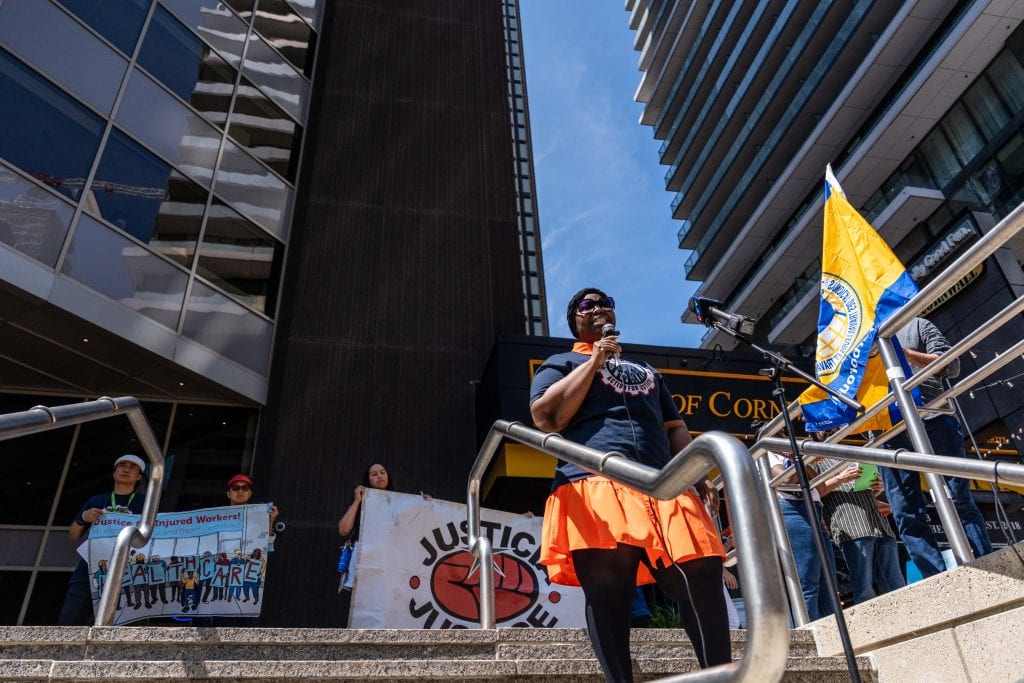
In May, De Facto has covered migrant workers' struggles in BC, including injury and exploitation, and talked to experts about how Bill C-12 threatens to make things even harder.
Changing ownership of Vancouver’s SROs could increase Downtown Eastside homelessness
At least 9 of these low-end rental buildings have recently gone into foreclosure or receivership processes, and many tenants say they’re facing pressure to move out and a lack of maintenance.
One new owner has $100M in properties, including other SROS, and was looked at in 2022 by the city and Residential Tenancy Branch over allegations of antagonizing SRO tenants and serving improper eviction notices. [The Tyee]
More news:
- Palantir was registered to lobby BC health authorities in June, as scrutiny grows over the Thiel-chaired company’s health data contract in the UK. [IJF]
- VPD officers allegedly smashing pipes in Downtown Eastside, despite harm-reduction suppliers’ shortage. [P.O.W.E.R.]
- Winnipeg police relaunch drug-use crackdown, saying they will now collaborate with the frontline and Indigenous groups they sidelined in 10-day blitz. [APTN]
- 200 migrant workers have been affected by the Summerland-area fires, with many losing their possessions and work; Friends of Dignidad Migrante is fundraising for them.
Thank you for supporting independent journalism that boldly shines a light on law, justice, and rights!