‘A two-tier system’: Rights groups say the immigration system is built on exploitation. A new law could make it even worse
With Bill C-12 now in force, volunteers build a mobile office for migrant workers amid escalating concerns over deportations and asylum restrictions
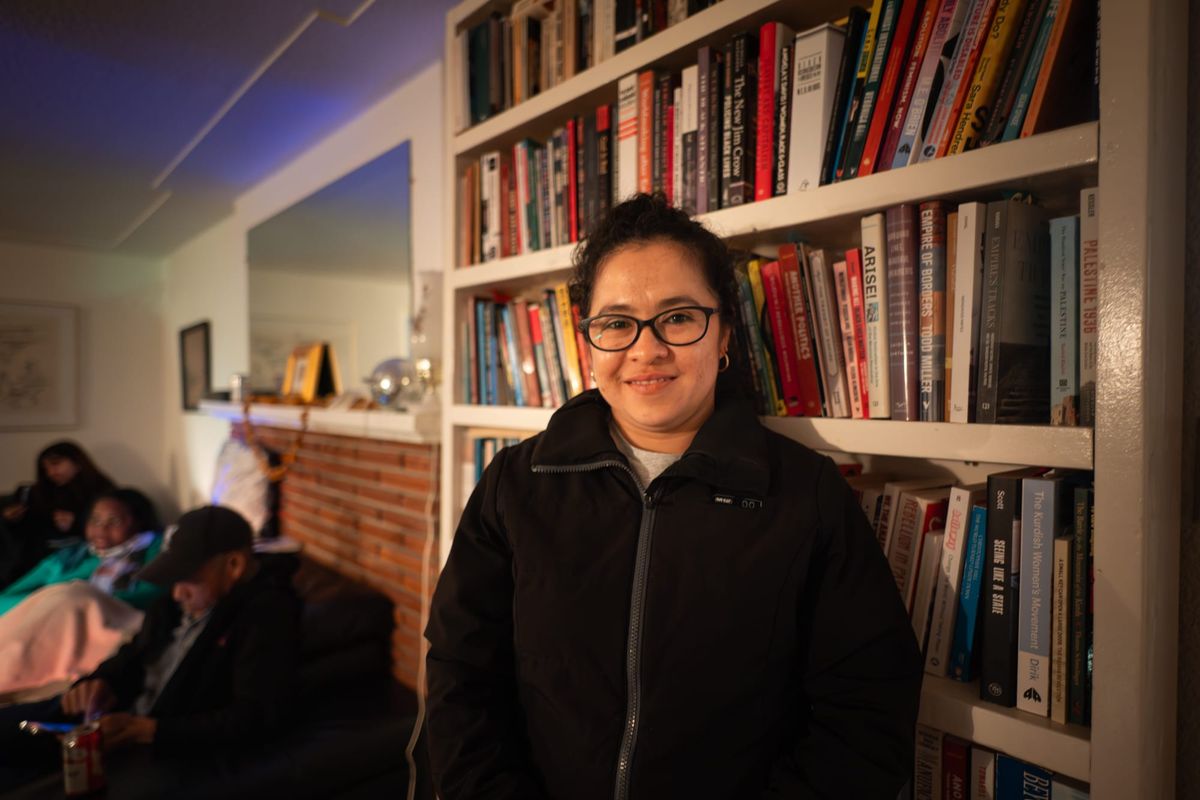


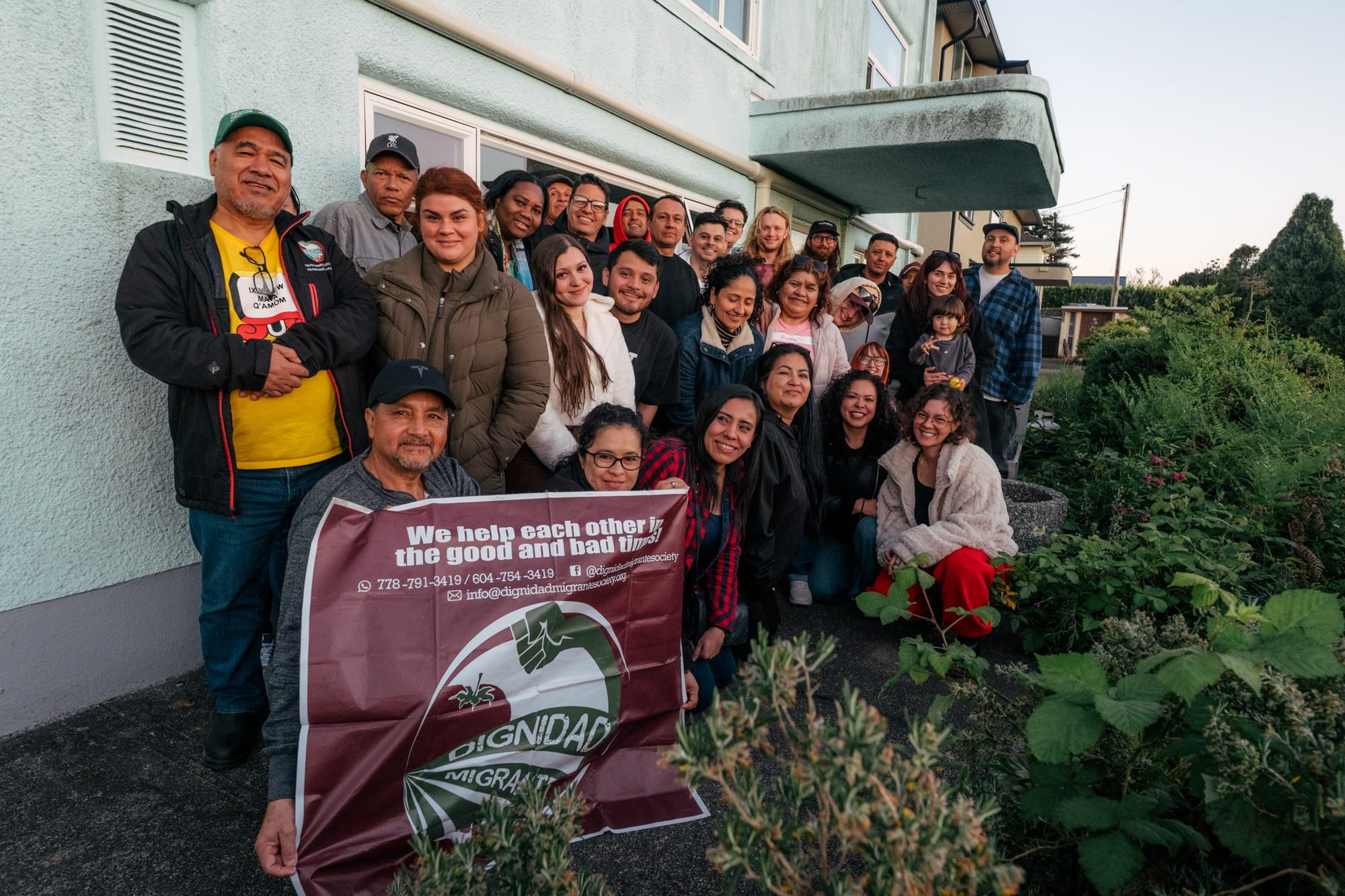
As the sun sets on a May evening in Victoria, around 25 migrant workers cram into a small living room, sharing stories of injustice they describe facing since coming to work in Canada.
The group is part of Dignidad Migrante Society, a grassroots organization led by temporary foreign workers that supports migrant workers asserting their rights and fighting to be recognized for their contributions to Canadian society.
Its members have travelled to Victoria from across the province. They are here to build organizing power and share updates on their latest court cases — some they have won, others they’re still pursuing to advance the rights of migrants living in Canada.
Iris Yaneth Vela Leiva, a member of the group, described working on a blueberry farm in Pitt Meadows, where she said workers were paid as little as $35 a day for 12-hour shifts and were called “ungrateful” by supervisors when they raised concerns that their contract obligations weren’t being met.
They always told us that if we left, immigration officials could come for us.
– Iris Yaneth Vela Leiva, Dignidad Migrante Society
She told De Facto that workers were pressured by supervisors for sexual favours in exchange for more work hours, and threatened with immigration enforcement if they left the farm.
“They always told us that if we left, immigration officials could come for us,” she said.
The situation got so bad that Vela Leiva and many of the other workers weren’t making enough money to eat.
They were eventually able to get in contact with Dignidad Migrante, which quickly responded by bringing them food and later helped them relocate from the farm in September 2018.

Most sweeping reforms in decades
The May long weekend gathering came as Canada’s rules for migrant workers and other temporary residents are undergoing their largest changes in decades.
Organizations like Dignidad Migrante warn federal reforms could deepen an already precarious system.
Bill C-12, the Strengthening Canada’s Immigration System and Borders Act, became law on Mar. 26, after being fast-tracked through Parliament.
The legislation overhauls how Immigration, Refugees and Citizenship Canada (IRCC) receives and processes asylum claims — while expanding government powers to share information about immigrants, and even cancel large groups of immigration applications when deemed to be in the “public interest.”
READ MORE:
 De Facto Journalism Co-op
Advocates from migrant justice organizations across Canada say the changes undermine the rights of migrants, and will deepen uncertainty for people already navigating pre-existing precarity.
In a De Facto investigation earlier this month, migrant rights advocate Harsha Walia — author of Border and Rule: Global Migration, Capitalism, and the Rise of Racist Nationalism — said Bill C-12 “creates one of the largest machineries of deportation” in recent Canadian history.
Advocates De Facto spoke to warn the bill will further empower police crackdowns on immigrants, regardless of whether they have committed a crime.
Meanwhile, deportations have risen to their highest level in a decade, reaching roughly 400 people — mostly refugee claimants — per week. And De Facto has revealed that police calls to immigration enforcement are at their highest in a decade.
In testimony before a Senate committee on Feb. 12, Canada’s immigration minister, Lena Metlege Diab, said about 19,000 of the 50,000 asylum claims filed between June 3 and Oct. 31 last year — roughly 37% — will now become ineligible under the new measures of Bill C-12.
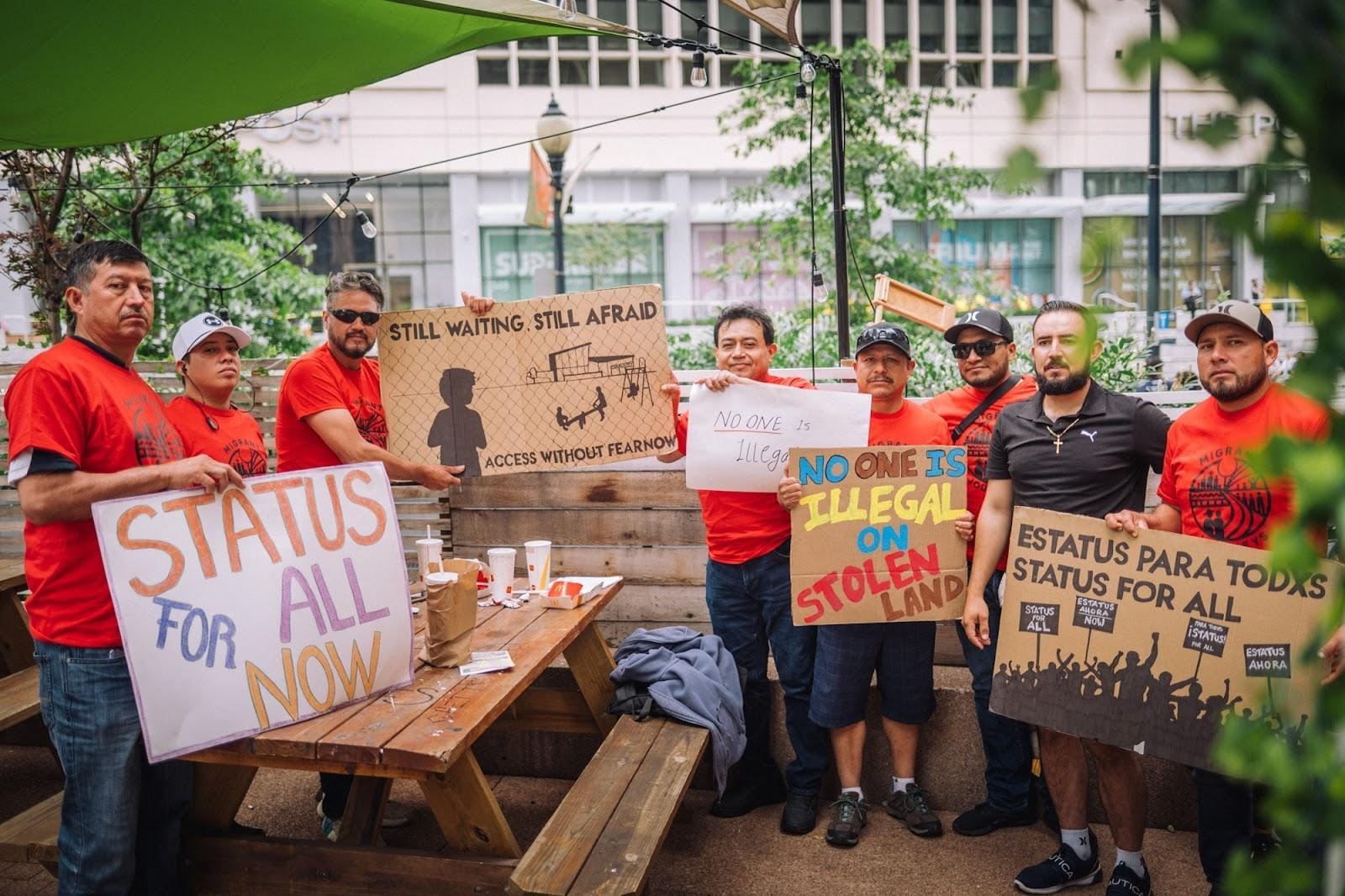
The new Act exacerbates longstanding structural problems in Canada’s immigration system for migrant workers, further narrowing their pathways to permanent residency, said Syed Hussan, executive director of the Migrant Workers Alliance for Change.
Hussan told De Facto that Canada’s immigration system has created “a two-tier society.”
On one side are permanent residents and citizens; on the other, a growing class of low-wage migrant workers allowed to toil here but denied permanence and full access to rights.

Dignidad Migrante member María Trinidad Reyes Nazario echoed Hussan’s fears that Bill C-12 will only worsen such divides — entrenching a system that relies on migrant workers, while making it harder for them to obtain permanent residency and protections.
Pointing to the more than 21,000 Mexican workers in the agricultural program, she said migrant workers are the people “putting food on Canadians’ tables” — yet they face growing insecurity under the proposed changes.
But she and other Dignidad Migrante members are hopeful that she and fellow migrants can expand their networks and resources to help cushion migrants from the tightening rules.
“Bill C-12 will produce more undocumented workers,” the organization's directors wrote in a letter to Prime Minister Mark Carney and the immigration minister last month, because the Act “reinforces a system where abuse remains hidden," pushing "more people into undocumented and precarious conditions."
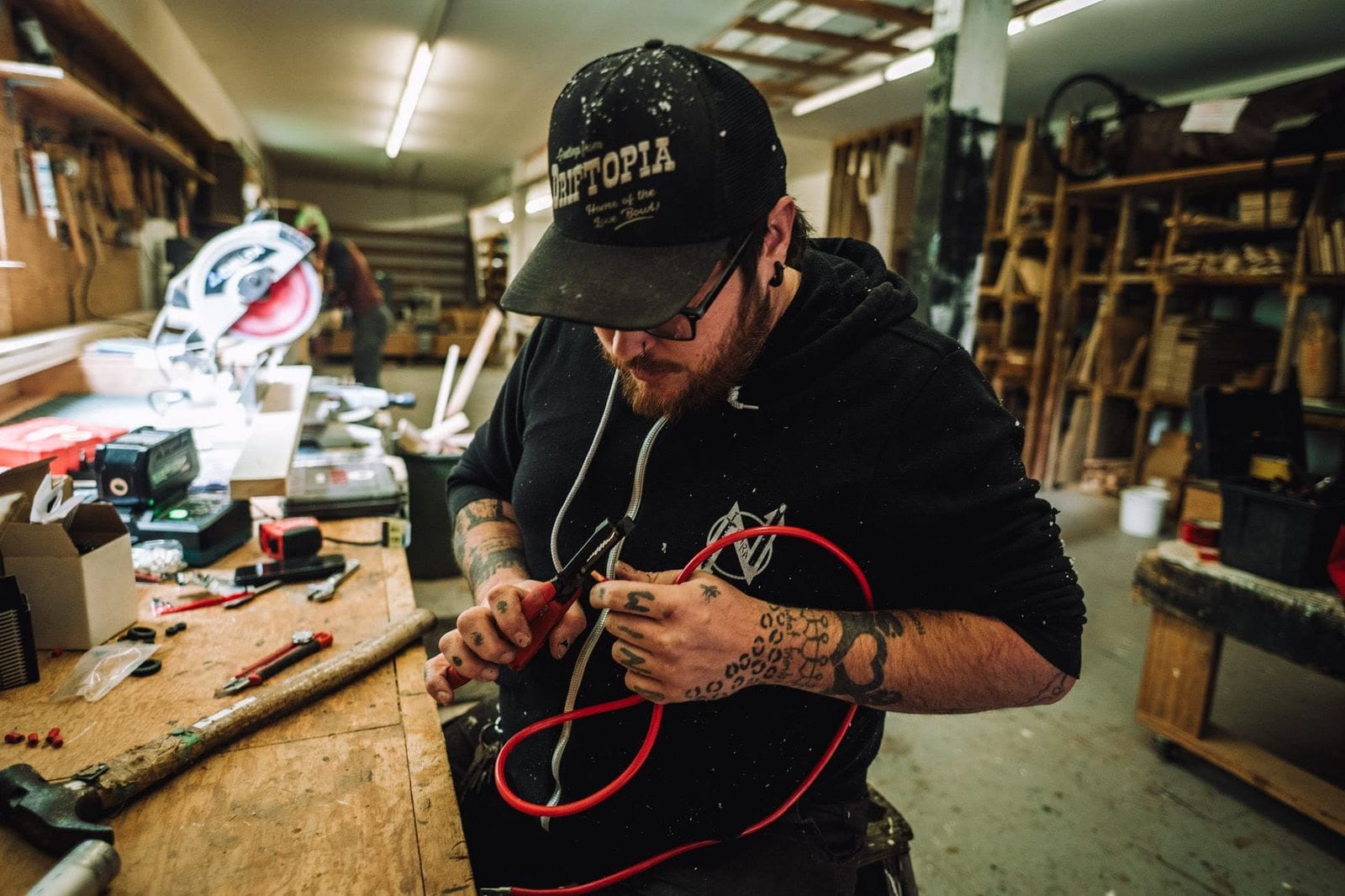

Volunteer Laurie Storrie (left) configures the wiring for the mobile office and migrant worker support centre, as he and other supporters (right) retrofit a sprinter van for the group Dignidad Migrante. Photos by Mike Graeme/De Facto
As the group gathered in a crowded living room, supporters were working to retrofit a sprinter van for them to escalate their advocacy.
The vehicle will serve as a mobile office and support centre for Dignidad Migrante’s network of more than 3,000 members, connected through two dozen WhatsApp chat groups.
The van, expected to be completed later this week, will help workers — especially those in rural locations — access support.
That can include everything from helping escape abusive workplaces, to applying for employment insurance and workers’ benefits, as well as filing taxes, getting legal advice, and navigating medical or other needs predicted to become more urgent under Bill C-12.

Concerns over expanded government powers
Lawyers and migrant advocates say Bill C-12 introduces sweeping new powers with limited safeguards.
Amanda Aziz, a staff lawyer with the Migrant Workers Centre BC, said organizations across the country are raising major alarm about the legislation.
“You would not find one organization that works with refugees or focuses on immigration law that hasn’t been very, very critical of the legislation,” she told De Facto.
One of the most concerning provisions, Aziz said, is a new power allowing the federal government to suspend or terminate entire categories of immigration applications en-masse.
We’re very concerned about this sort of unchecked power to mass-cancel applications.
– Amanda Aziz, Migrant Workers Centre BC
During testimony before the parliamentary committee studying the bill, immigration minister Diab acknowledged the authority could be used to cancel applications from entire nationalities in cases deemed in the public interest.
Internal IRCC documents obtained by CBC News showed these powers were desired, at least in part, due to crack down on fraudulent visa applications, specifically from India and Bangladesh.
But Aziz worries these powers will be used beyond this scope and said they could have widespread discriminatory impacts.
“We’re very concerned about this sort of unchecked power to mass-cancel applications,” she said.

The Senate — meant to offer “sober second thought” on legislation — initially pushed back against Bill C-12’s mass cancellation powers, a move which had Premier David Eby questioning “whether there's thought and whether there's sobriety in the Senate chamber."
Eby urged Canada’s upper chamber to maintain Bill C-12’s expanded powers, which he said will close immigration loopholes that allow extortion suspects to take advantage of Canada’s refugee claim process to evade prosecution.
But Aziz said the bill significantly restricts access to Canada’s refugee system for those who truly need it, for instance those escaping danger or violence in their countries of origin.
Another rule in Bill C-12 makes asylum seekers ineligible to receive a hearing at the Immigration and Refugee Board (IRB) if they entered Canada after June 24, 2020 and waited more than one year to file a refugee claim.
“That’s a really arbitrary cutoff,” said Aziz, adding it could have grave consequences for refugees who could be forced to return to life-threatening conditions. “It’s very discriminatory and quite contrary to our international obligations.”

Immigration and Refugee Board (IRB) offices in downtown Vancouver (left). A border enforcement officer at the Peace Arch crossing between Canada and the US. Photos by David P. Ball/De Facto
During a Mar. 10 parliamentary hearing on Bill C-12, Sen. Rosemary Moodie, chair of the Senate’s social affairs committee, said the body’s review raised serious concerns that key sections of the bill could infringe on human rights, privacy, and procedural fairness.
The reforms, she argued, “come at a significant cost to the long-standing principles that underpin Canada’s immigration and refugee protection system.”
The federal committee concluded that parts of the bill were unconstitutional, and “may disproportionately impact children, 2SLGBTQI+ persons, women and front-line service providers,” Moodie said.
During the same hearing, senators also heard concerns about how the bill’s new asylum restrictions could affect vulnerable claimants — particularly those who may be unable to apply within strict timelines.
During senate debates and hearings, speakers described a number of reasons asylum-seekers might miss deadlines for filing claims — for example, fear of persecution, a lack of legal support, confusion about the process, or trauma that makes it hard to disclose one’s circumstances.

Sen. Marnie McBean noted that many 2SLGBTQI+ and gender-diverse refugees arrive in Canada without community, legal advice, or even the language to describe their experiences of persecution.
“It can take time to find support organizations and build the trust needed to share something as deeply personal as one’s identity,” she said at the Mar. 10 hearing.
She questioned whether the government consulted with 2SLGBTQI+ refugee groups on how the bill’s one-year filing limit could affect their ability to safely seek protection.
The lack of significant public consultation or awareness about the legislation before it passed raised alarms for migrant advocates.
“There’s been barely any study of this bill and its impacts,” said Aziz. “The speed with which it’s moved through parliamentary scrutiny is alarming.”
Workers come to toil, do harsh work, in situations of very high risk of injury, illness, or death.
– Gil Aguilar, Fuerza Migrante
An IRCC spokesperson told De Facto that people whose claims are not eligible for an IRB hearing can still apply for a pre-removal risk assessment (PRRA).
Authorities use the PRRA process to determine whether someone facing deportation could face persecution, torture, or other serious harm if returned to their country of origin.
While processing times vary depending on case complexity, PRRAs can take several months or longer, during which deportation is usually paused.
Yet critics argue the PRRA provides fewer protections and relies on a paper-based process, warning that the lack of access to an in-person hearing can undermine due process and limit applicants’ ability to fully convey their circumstances.
The UN High Commissioner for Refugees criticized the bill’s use of the PRRA, arguing it lacks the safeguards needed to serve as an initial asylum screening process, since it “was originally designed to be used prior to removal after someone has exhausted all their options in Canada, including a hearing at the IRB.”
The commissioner recommended to the senate that “a mandatory hearing be added to ensure an individual’s right to be heard, unless there is overwhelming evidence to accept their case based on the written evidence provided.”
A story published in De Facto last week detailed one tragedy produced by restrictions to asylum claims.
Lucía Dominga Vega Jiménez — who fled domestic abuse in Mexico and feared she would face torture and death if deported — was denied asylum in Canada after repeated, unsuccessful attempts to file PRRA paperwork outlining her situation, before ultimately taking her own life.
READ MORE:
 De Facto Journalism Co-op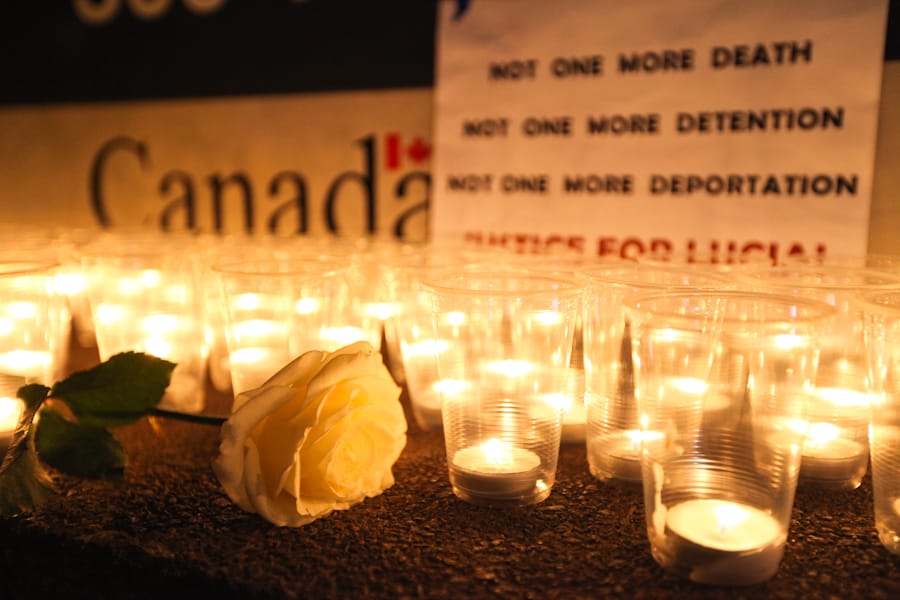
Bosses the ‘de facto determinant’ of every facet of life
For migrant worker advocates, Bill C-12 compounds existing policies that already make migrant workers vulnerable.
Most migrant workers in Canada arrive on employer-specific, or “closed,” work permits. That means their legal right to remain in the country is tied to a single workplace.
Gil Aguilar, an organizer with Fuerza Migrante, is pushing to change the migrant worker-employer contract system, which he sees as a central challenge many migrant workers face.
“The contract is one of the nodes, if you will, where everything meets,” he said.
Much of his group’s work focuses on the federal Seasonal Agricultural Workers Program, which has existed for roughly six decades, bringing thousands of temporary foreign workers to Canadian farms each year.
Contracts for the program are negotiated between Canadian and foreign governments; workers themselves have little role in shaping them.
Those contracts create a situation where a migrant’s living and working conditions are almost entirely controlled by their employer.
Wages, employment standards, access to health-care, lodging quality, and even the right to holidays or family visits are all determined by the contract.
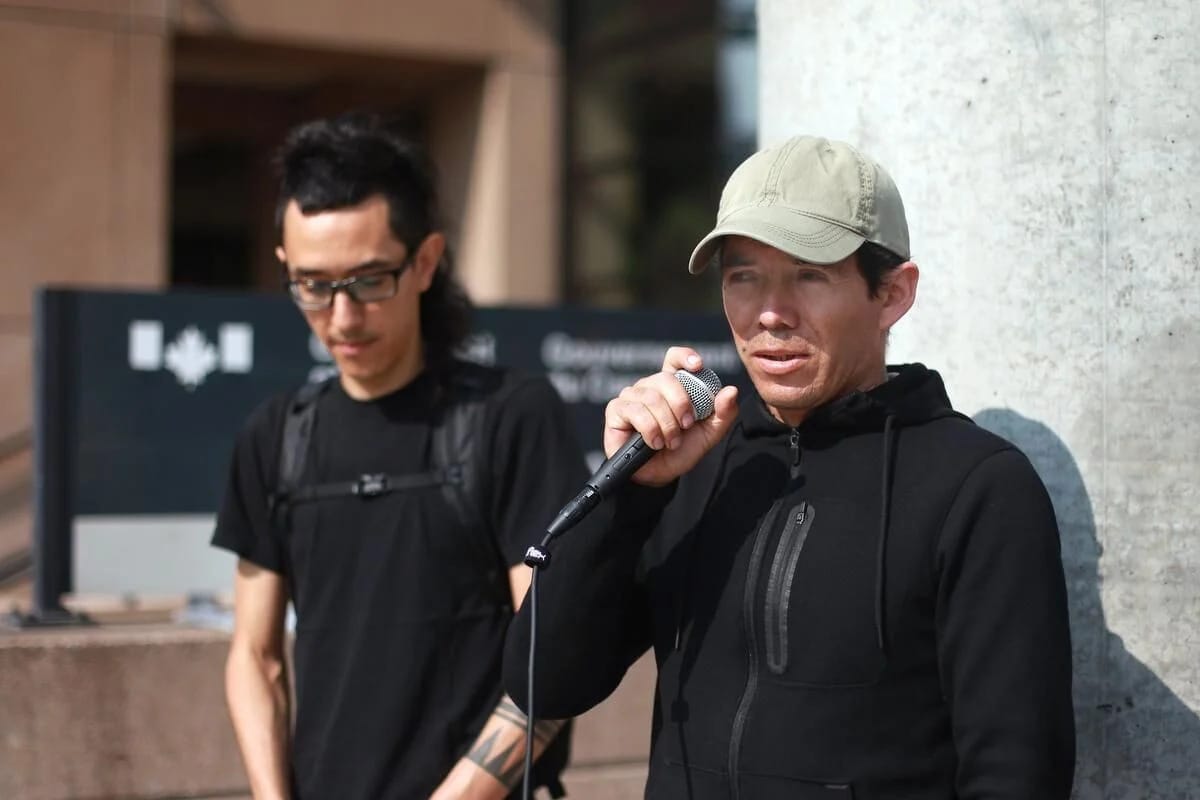
“The employer becomes, from the get-go, the sort of de facto determinant of the migrants’ lives, not just their work lives,” said Aguilar.
Employer-provided housing can mean bunk beds in crowded quarters with little privacy. And because these accommodations are often located in rural areas, if workers are injured, they often depend on their employer transporting them for medical care.
“Workers come to toil, do harsh work, in situations of very high risk of injury, illness, or death,” Aguilar said. “Many of them get injured consistently.”
I worked for Canada for 20 years, and I have nothing.
– María Trinidad Reyes Nazario, Dignidad Migrante
In some cases, he alleged, bosses can treat injured workers as liabilities — and send them back to their homelands early or even quietly have them “blacklisted” from returning the following season.
If workers leave their job or raise a complaint — even in cases of abuse — they risk losing their status.
“If they get mistreated, they can't speak up,” said Hussan, “because the consequences might be loss of work, loss of income, or being kicked out of the country.”
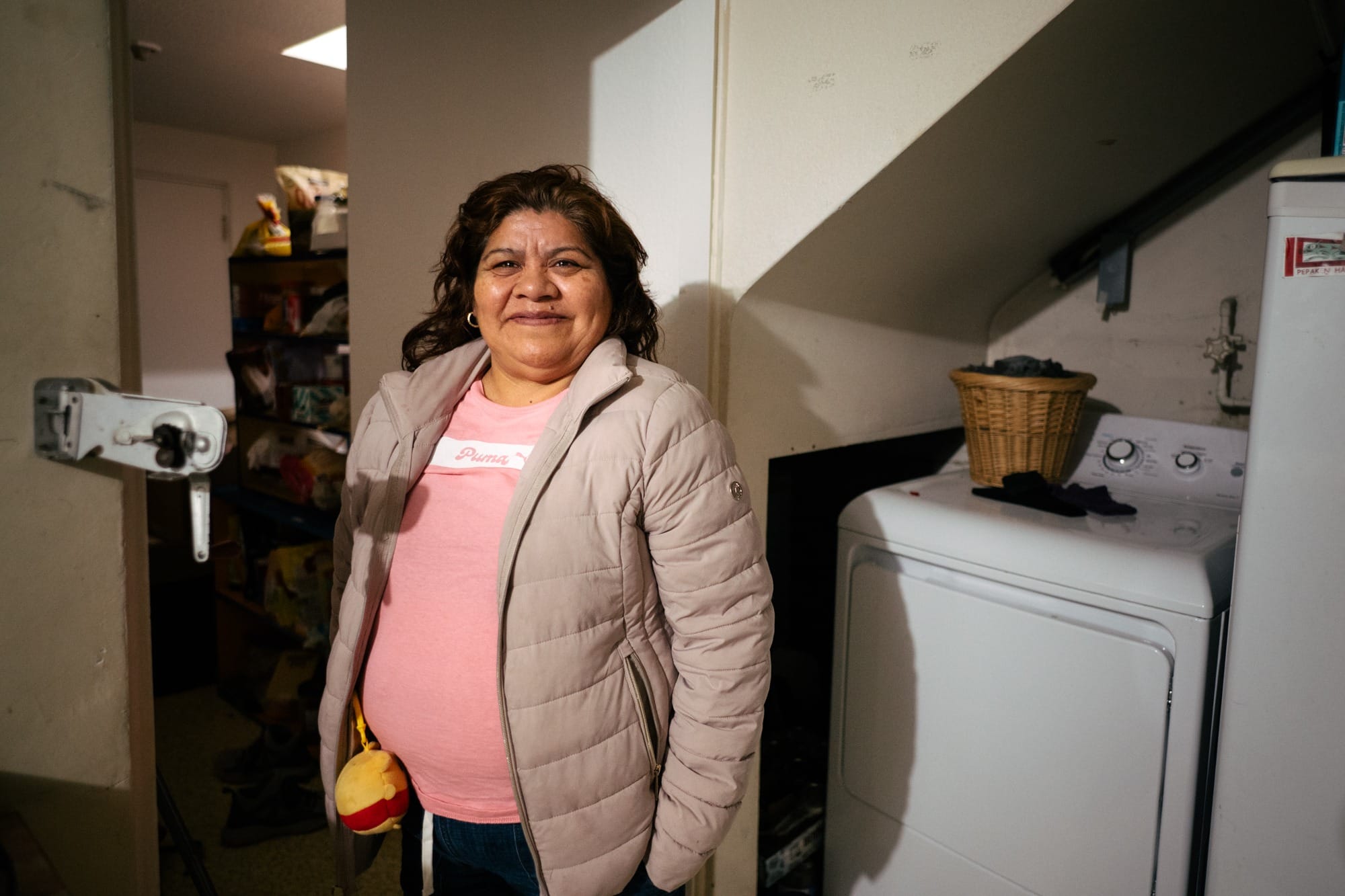
María Trinidad Reyes Nazario is another Dignidad Migrante member who attended the Victoria gathering. She described working and living in Canada for around two decades, without ever being able to secure permanent residency.
“I worked for Canada for 20 years,” she said, “and I have nothing.”
She recounted a time her employer stopped paying her salary — and threatened to call immigration authorities to deport her if she complained.
With support from Dignidad Migrante, Reyes Nazario and four other workers filed a legal case against the employer and won, though the decision was later appealed and the workers still have not received the wages they say they are owed.
In another lawsuit supported by the organization, 15 Guatemalan women — including member Vela Leiva — brought a case against their blueberry farm before the Employment Standard Tribunal for giving them too few hours. The tribunal ordered mandatory full-time pay for all temporary foreign workers, even if they don’t work the full 40 hours.
Dignidad Migrante also helped the migrant workers win a seven-year case at the Human Rights Tribunal against the same blueberry farm, alleging human rights abuses.
A related complaint submitted to IRCC prompted the federal government to introduce emergency measures to protect temporary foreign workers against abuses, and helped establish a precedent for open work permits for migrant workers in Canada.
READ MORE:
De Facto Journalism Co-op
These permits, according to IRCC, help migrant workers facing abuse “quickly exit these situations and look for new work with a different employer.”
However, according to a 2024 UN report, the open work permitting process is not fast-moving and does not offer an effective solution to Canada’s Temporary Foreign Worker Program, which it described as “a breeding ground for contemporary forms of slavery.”
Tomoya Obokata, the United Nations’ Special Rapporteur on contemporary forms of slavery, outlined a number of issues with the cumbersome and demanding application process.
Obokata noted that applicants often face long wait times and remain in precarious situations while waiting for a decision.
Even after applying, workers may risk losing their status if employers cancel their job or permit, and if a permit is obtained, it can carry stigma, with some employers viewing holders as “troublesome,” which can make finding new work more difficult.
Workers exploited — before they even arrive
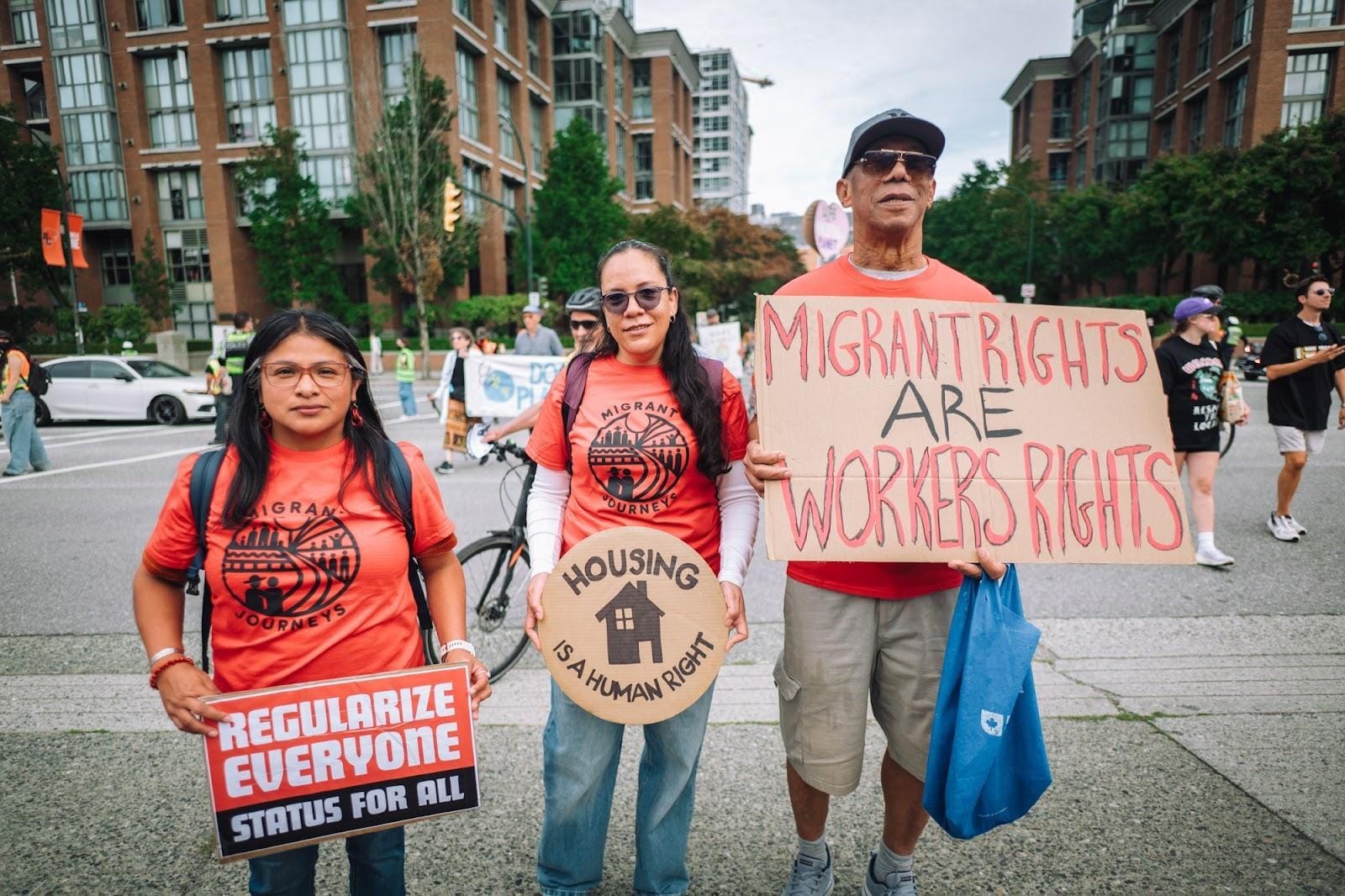
The Vancouver-based Migrant Workers Centre BC has also focused on employment contracts — particularly how recruitment processes can expose workers to fraud.
“We've been calling for a very long time for the abolition of employer-tied work permits,” Aziz said.
She said many workers encounter exploitation through the permit process even before arriving in Canada.
“There’s a whole network and system that's been created out of all these intermediaries who really take advantage of workers.”
Some migrant workers pay illegal recruitment fees — often tens of thousands of dollars — only to discover the promised job is different than advertised or doesn’t even exist.
Workers are often waiting years before they see a result of any complaint that they've submitted.
– Amanda Aziz, Migrant Workers Centre BC
According to IRCC, the Government of Canada has been taking steps “to prohibit employers from charging or recovering recruitment fees.”
But Aziz, who has provided legal support to multiple workers targeted by these recruitment schemes, said the problem remains widespread.
“The other day, we saw a recruitment fee of more than $100,000,” she said. “It's horrifying.”
In that case, the recruiter was unregistered and has since disappeared, leaving multiple migrant workers deeply in debt and without any means of recovering their losses.
In these situations, there is little legal recourse for migrant workers to recover the money they were scammed out of, Aziz adds.
Even workers who do secure employment can face exploitation on the job, while encountering significant barriers to getting justice.
Lengthy legal processes, language barriers, and the temporary nature of many work permits can make it difficult for migrants to pursue claims or see cases through to a conclusion.
It takes away due process for migrants to even fight for their rights.
– CJ Demanarig, Migrante BC
Ultimately, in many instances, workers who complain end up having to leave the country before their complaints are ever addressed, effectively shutting them out of the justice system.
“We do a lot of work at the Human Rights Tribunal and WorkSafe,” said Aziz.
“Workers are often waiting years before they see a result of any complaint that they've submitted.”
It can take up to four years for a case to be heard at the Human Rights Tribunal.
“For some migrant workers, their permits are two years,” said Aziz. “Farm workers often come for only eight months.
“How do you participate properly when you're outside the country?”
Aziz said the Migrant Workers Centre is also pushing for interpretation services at the Employment Standards Branch, which would help migrant workers with limited English navigate complaints about workplace abuse.

Increased barriers with Bill C-12
The passage of Bill C-12 could make it even harder for migrants to access justice.
CJ Demanarig, deputy secretary of Migrante BC — which focuses on the rights of Filipino migrants — said the group is concerned the new law will erode basic legal protections for migrants.
“One of the biggest issues is that it takes away due process for migrants to even fight for their rights,” Demanarig said.
He said the legislation could allow deportations to move faster while reducing opportunities for migrants to challenge decisions.
“This really increases the precarious status of migrants.”
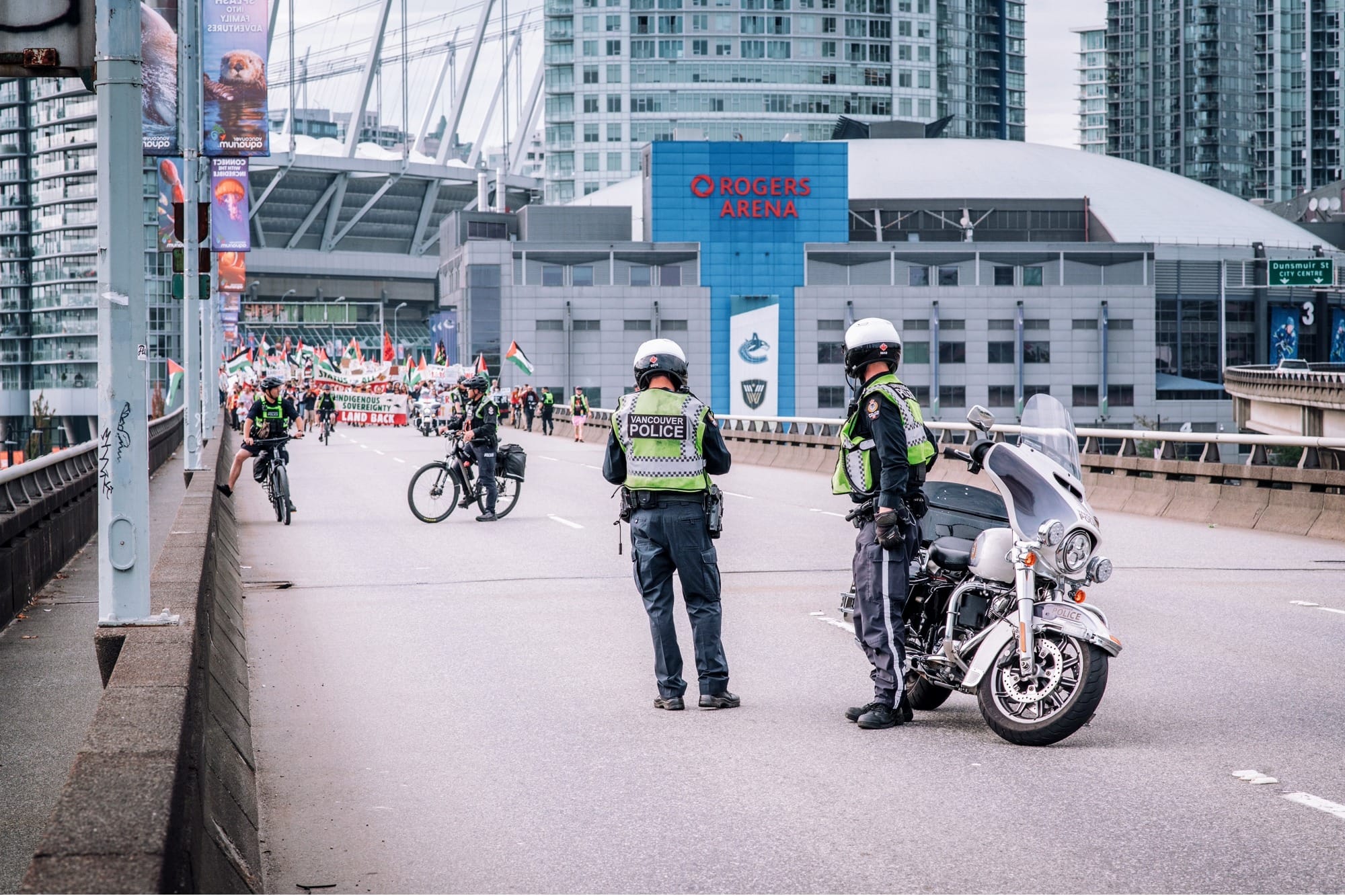
Since the bill’s first introduction into Parliament last October, grassroots migrant rights organizations have been working to raise awareness about the legislation and mobilize opposition.
It's not just ICE in the US that are doing these kinds of raids and arresting people and deporting people and separating families.
– Amanda Aziz, Migrant Workers Centre BC
Migrante BC worked alongside national coalitions such as the Migrant Rights Network and international groups like the International Migrants Alliance to oppose the bill.
The Migrant Workers Centre BC and Migrant Workers Alliance for Change are also all members of the Migrants Rights Network, which testified before the Senate’s social affairs committee, against Bill C-12’s immigration clauses.
Migrante BC has also been holding discussions among migrant communities to spread awareness about the legislation.
“For us, what’s working right now is really educating our members and their families about the actual nature of Bill C-12,” Demanarig said.
Before the bill’s passing, migrants were already grappling with immigration policy reforms from 2024 that made it harder for many migrants to secure temporary and permanent residency, he adds.
Those changes included caps on international students, changes to post-graduation work permits, and reductions in overall temporary residents in Canada.
In 2025 alone, an estimated 1.2 million temporary residents lost their status as permits expired and pathways to renewal or permanent residency were bottle-necked.
A bellwether of the zeitgeist
For the migrant justice advocates who spoke to De Facto, Bill C-12 is a bellwether for a broader shift in Canada’s immigration politics.
“As anti-immigrant sentiment grows globally, it becomes a tool through which governments can push ahead any agenda,” said Hussan.
This agenda in question includes policy overhauls like Bill C-12, which will further entrench the two-tier system Hussan warns of.
“We’re hearing reports of what we call ‘silent deportations,’” Demanarig said — situations where temporary workers suddenly disappear from workplaces after losing status.
“It's not just ICE in the US that are doing these kinds of raids and arresting people and deporting people and separating families,” said Aziz.
During Bill C-12’s hearings, Sen. Paulette Senior voiced similar concerns.
She said that while the legislation’s reforms may be “a far cry from what we see occurring south of the border,” it is nevertheless “a defined step in that direction, and it begs this question: Why would we, with eyes wide open, take this step to render those who seek asylum and safe refuge more susceptible to harm?”
READ MORE:
De Facto Journalism Co-op
Anti-immigrant rhetoric has intensified in recent years and is increasingly shaping policy discussions and broader sentiment towards migrants, Aziz said.
“Our governments and our policymakers are responsible for setting the tone. And they've chosen a very xenophobic and hateful rhetoric right now.”
A spokesperson for Immigration, Refugees and Citizenship Canada told De Facto that Bill C-12 would not change the current rules or protections around people losing their temporary or permanent immigration status, and would not change how foreign nationals can be removed from Canada.
The spokesperson added that Canada’s 2026–2028 Immigration Levels Plan aims to keep the number of new permanent residents below 1% of the country’s population each year after 2027, while reducing the number of temporary residents — such as people on work or study permits — to less than 5% of the population by the end of 2027.
“Reducing immigration volumes is helping to alleviate pressure in the housing market, infrastructure and social services,” the spokesperson stated.
In a joint statement condemning Canada’s new immigration measures, more than 25 organizations — including those focused on human rights, civil liberties, refugee and migrant rights, gender justice and data privacy — warned that “refugees and migrants are scapegoated for the crises that governments at all levels have created.”
“This government is replicating US-like anti-migrant sentiment and policies in Canada,” stated the declaration, hosted on Amnesty International’s website.
“As we look ahead, we are concerned about the dangerous trend towards discretionary power and the further erosion of refugee and migrant rights.”
As advocates like Reyes Nazario, Hussan, and others who spoke to De Facto see it, for decades temporary migrants have propped up the Canadian economy by toiling in many sectors — from agriculture to care work, construction to hospitality, and numerous others.
Not only are they then denied the ability to permanently settle in the country they help support, but immigrants are increasingly the scapegoat for Canada’s growing economic precarity, Hussan said.
Blaming already vulnerable migrants takes the spotlight on the affordability crisis, he said, and misdirects it away from the structure of the economy “and the way that corporations are channelling wealth away from services and people.”

Update (May 19): The story has been updated to quote a Dignidad Migrante letter to the prime minister and the immigration minister, which was shared with De Facto after publication.
Editor: David P. Ball. With files from Dustin Godfrey

Mike Graeme
Mike Graeme (he/they) is a white settler photojournalist and member of De Facto cooperative documenting stories of resistance and justice on the unceded lək̓ʷəŋən and W̱SÁNEĆ territories. His photos and writings have appeared in more than 25 media outlets and nonfiction books across Canada and the US, including The Narwhal, The Tyee, IndigiNews, and The Nation. He's won a Jack Webster Foundation award, and been a shortlisted finalist for two John H. McDonald Excellence in Student Journalism Awards. Read their reporting