‘A troubling trend’: Lawyer Zool Suleman on rising cop-immigration collaboration
Everyday contact with police, such as transit fare-checks, is getting migrants reported to the feds. Why this expert finds De Facto’s newly revealed data ‘disturbing’


More than once per day, on average, local police officers across Metro Vancouver report people they encounter to Canada’s immigration authorities.
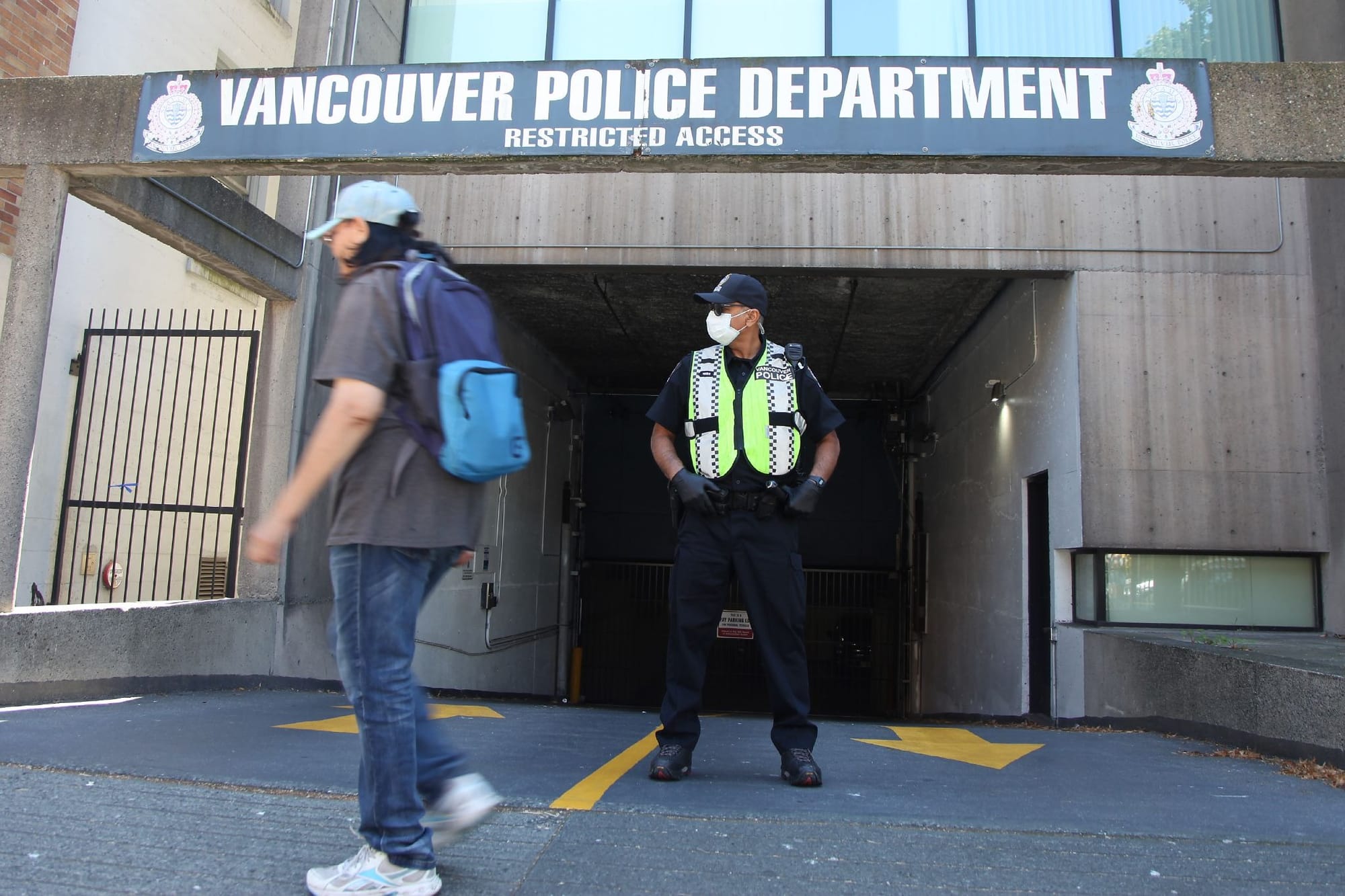
As De Facto has revealed through access to information requests, those “immigration status checks” to Canada Border Services Agency (CBSA) have come from all major municipal forces, such as the Vancouver Police Department (VPD) — and even those tasked with safety on public transportation.
In the decade before 2024, the most recent year’s data we obtained, just six of the Metro Vancouver region’s over-dozen police forces and RCMP detachments accounted for more than 7,000 immigration status checks to CBSA.
It is unclear on what grounds, if any, officers stopped them in the first place, nor whether any crime was even alleged.
READ MORE:
 De Facto Journalism Co-op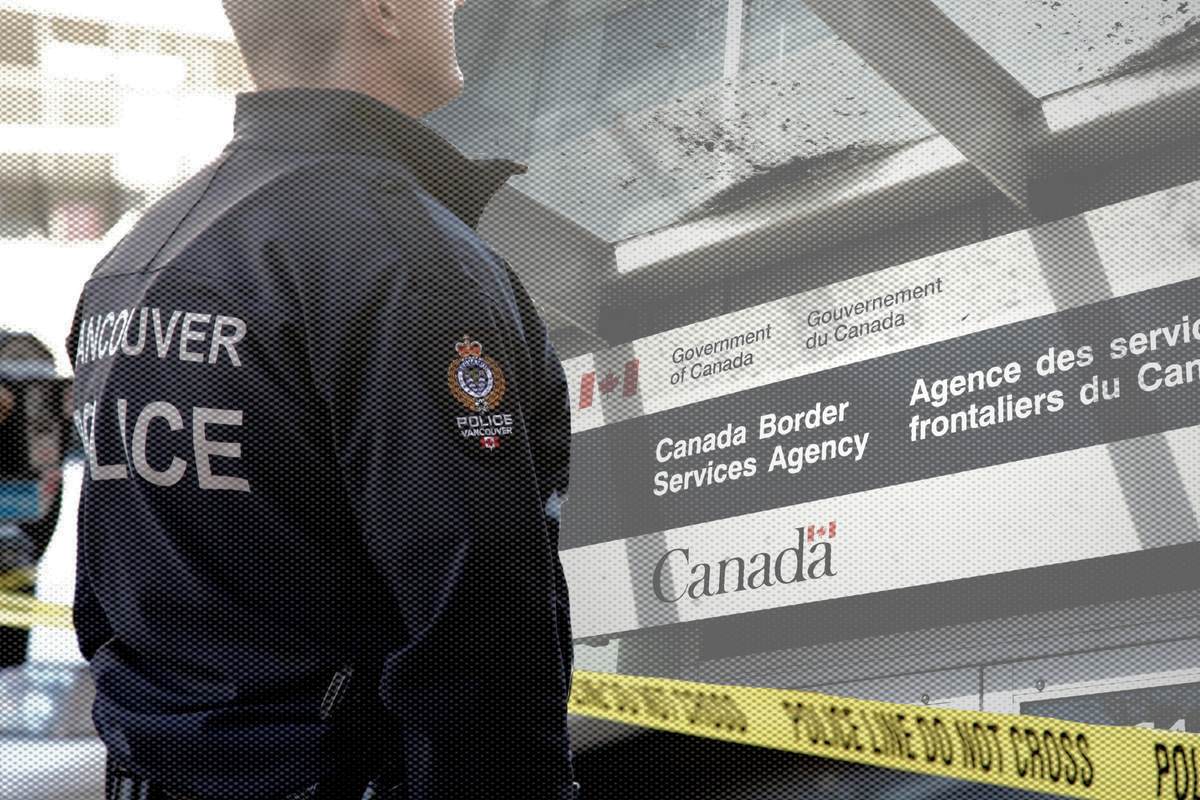
For some migrants and advocates, it’s amplified fears that simply interacting with an officer could lead to life-altering deportation proceedings, over something as routine as a transit fare check, traffic stop — or even reporting a crime in which they were the victim.
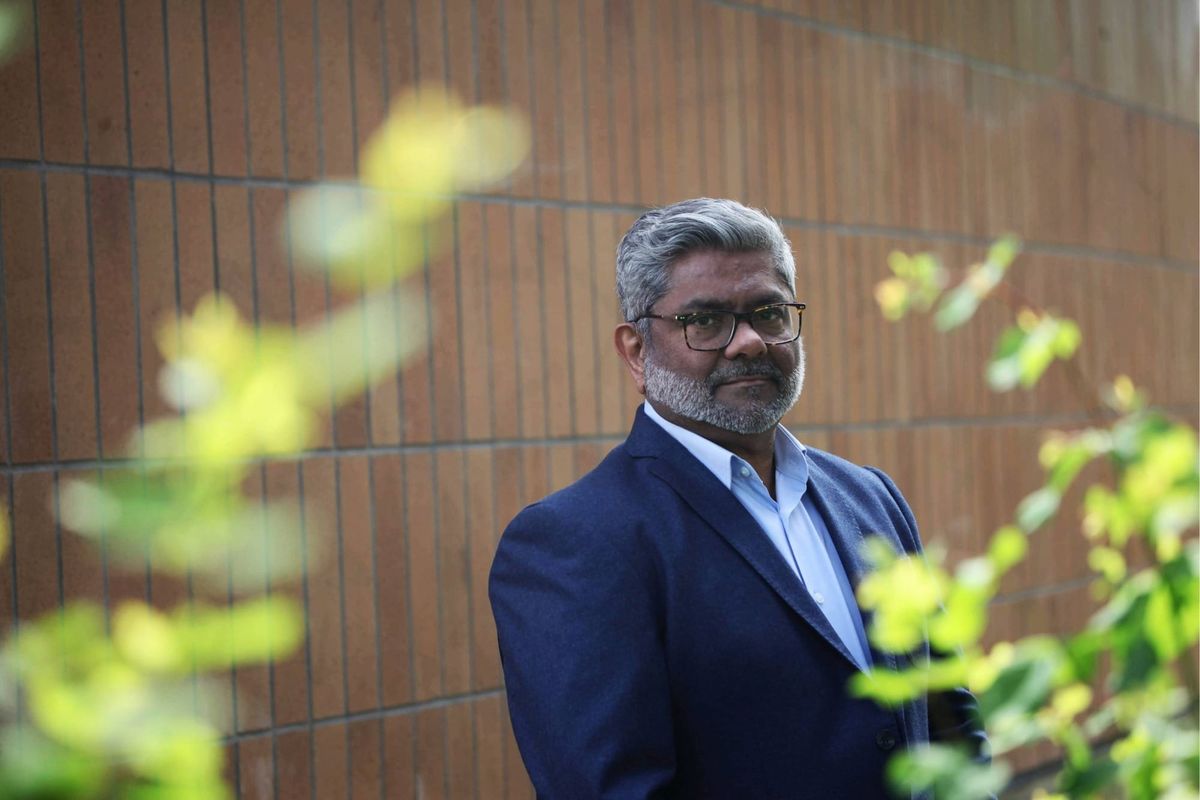
Zool Suleman is a long-time immigration lawyer, and the executive director of the BC non-profit MARU, which runs the websites Stopracialprofiling.ca and StopIslamophobia.ca.
He spoke to De Facto’s Dustin Godfrey about what the CBSA data reveals about police collaboration, the history of Vancouver’s “access without fear” movement, and what is at stake with increased immigration detentions.

This interview has been edited for clarity and length.
Dustin Godfrey: Can you give a sort of top-line first response to the data we’ve uncovered here?
Zool Suleman: The data shows a troubling trend of Vancouver Police Department targeting people who they believe have some immigration status problems.
It could also be based on whether the individuals are racialized or not, so there might be a racial profiling element to this.
The data is disturbing because this is exactly what the Mayor's Committee [on Immigration] wanted to keep to an absolute minimum, which is that immigrants were not feeling very trustful of policing.
And what this data seems to show is that the trust factor continues to be a problem with regard to the relationship between the Vancouver Police Department and CBSA.

Support independent journalism that boldly shines a light on law, justice and rights. Sign up or donate today
Looking back, could you expand on the Mayor’s Committee on Immigration, particularly its 2016 decision to adopt ‘access without fear’ instead of ‘sanctuary city’?
There was a concern, because the term ‘sanctuary city’ — which is quite prevalent in America — has a different meaning to it and a different level of protections.
Calling it ‘access without fear’ was more descriptive of what it was about — which is that the city cannot protect you from immigration laws, but it can try to make it easier for you to access medical care or to access services without full identification.
And so that was the plan: to make the city more accessible and safer for those who are in the middle of various kinds of immigration applications or hearings. That was the intention.
There was an understanding with the police that they would respect access without fear. Unless there was an emergency, or there was something very serious going on, they would not inquire about status, but rather deal with the need of the person in front of them.
That was the direction in which that policy was intended to go.
The people being targeted and profiled are racialized people. There's a sense that there's permission from the public to keep doing this, and there's lots of money to keep fueling this cycle.
– Zool Suleman, MARU
So at the time, the general sentiment was that VPD would respect people accessing services without fearing a status check or deportation?
My understanding was VPD was actively saying that they would respect access without fear.
Now, they did have their concerns about — obviously — when dealing with a significant criminal issue or significant emergency to which identity or status was an important issue, then of course they would continue with their investigation and make inquiries.
But at the time this policy came into effect, there was an understanding. I remember being at tables where a police representative was there, and this was the understanding.
I do not know if there was actually a document signed by the Vancouver Police Department, but I do know that they were at the table when this policy was passed, and they understood the intention of this policy and what the desire was of the mayor and the committee to implement access without fear.
There's a very blatant increase in immigration status checks in 2023 compared to 2022. Sanctuary Health says there was xenophobic and anti-immigrant sentiment increasing at the end of 2022 — when there was a municipal election in Vancouver that saw a mayor campaign on increasing policing. Is there maybe a potential connection?
I think it's multi-layered. Certainly you have a municipal party in power that is very much in favour of the police, and wanting to be ‘hard on crime.’
Then you over-layer the general sentiment that there are too many immigrants in Canada; that sentiment has been growing, that immigration is a problem.
And then the third layer would be the racialization of that immigration; it's the racialized immigrant who is then scrutinized and targeted. And a lot of the immigration to Canada over the last 10 years or so has been from racialized countries.
That multi-layered set of factors is very prone to being abused, so the people being targeted and profiled are racialized people.
There's a sense that there's permission from the public to keep doing this, and there's lots of money to keep fueling this cycle.
All of those factors together could well be playing a role in the numbers you're seeing.
READ MORE:
 De Facto Journalism Co-op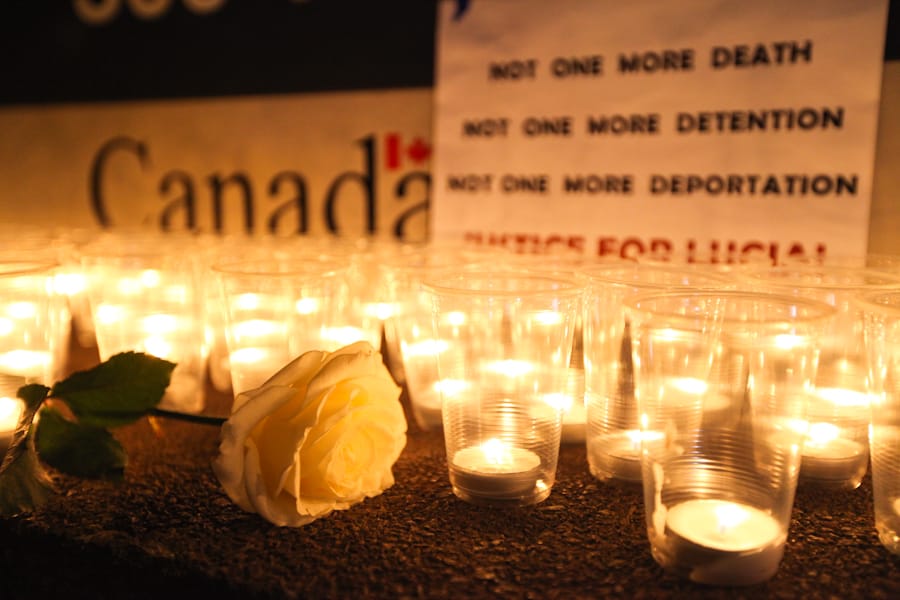
Sanctuary Health argued it isn’t the job of police to enforce immigration, because it isn’t a criminal manner. Would you agree with that assessment?
Well, their jurisdiction is obviously safety and enforcement of the laws.
The problem becomes when a racialized immigrant becomes kind of a proxy for the problem — so it's easy to target somebody who's racialized, who's not feeling very powerful in an exchange with Vancouver police.
It is much easier for police to just immediately focus on status, partly because they'll know very quickly if this is a Canadian citizen: ‘We better be careful, this person will have access to all kinds of rights and remedies.’
But if they're here as a student or a worker or a refugee, or they've failed their refugee hearing and they're appealing, or they're in the court system — then all of a sudden, the police might feel they have more power in the relationship.
So in a sense, immigration status is a proxy for the power dynamic.
From a policing perspective, no, their job isn't to issue visas or take away visas. But Vancouver police become the front-line for the Canada Border Services Agency. In effect, they carry out the function of the Canada Border Services Agency.
And that's where there's a problem right there, because that is not their function. Their function is to support the Canada Border Services if there's an incident, or if there's an arrest that the CBSA cannot carry out on their own.
This is where the lines get fuzzy, and that's not a good thing.
There has to be a check-and-balance on the use of this power. What we're seeing in other countries — certainly our neighbours to the south — is that the balance is shifting more towards policing, whether it's municipal policing, federal policing, immigration policing.
– Zool Suleman, MARU
It raises concerns that police may be acting as de facto immigration enforcement.
People who have power generally like to take more power, and I think that's the challenge. Police officers can carry guns and have very wide latitude in how they carry out their duties.
Citizens trust them to act ethically, professionally, in compliance with the law. They expect transparency, and that the police are acting lawfully.
The problem becomes when police interact with racialized immigrants, the power balance is very unequal and the ability for accountability is very low. Very few of these interactions attract scrutiny and investigation.
What this data is showing is that something is going on here in how the Vancouver Police Department views its function.
Something is going on here — where the Canada Border Services Agency seems to be supportive of the Vancouver Police Department making these inquiries — and whatever that relationship is needs more investigation, more transparency, and more reporting.
Can you put this in the context of what's happening right now in the United States?
Police accountability is always a difficult thing. On the one hand, citizens want somebody to respond when they're feeling under threat or a law is broken. But on the other hand, there has to be a check-and-balance on the use of this power.
What we're seeing in other countries — certainly our neighbours to the south — is that the balance is shifting more towards policing, whether it's municipal policing, federal policing, immigration policing.
Obviously, these are two different countries with two different systems and histories. But one can certainly imagine that citizens of Vancouver should be concerned that this is indicative of a certain kind of permissive approach towards the use of force, particularly when it comes to racialized immigrants.
I think that's a live question. It's hard to know where this is going to go in the next few years.

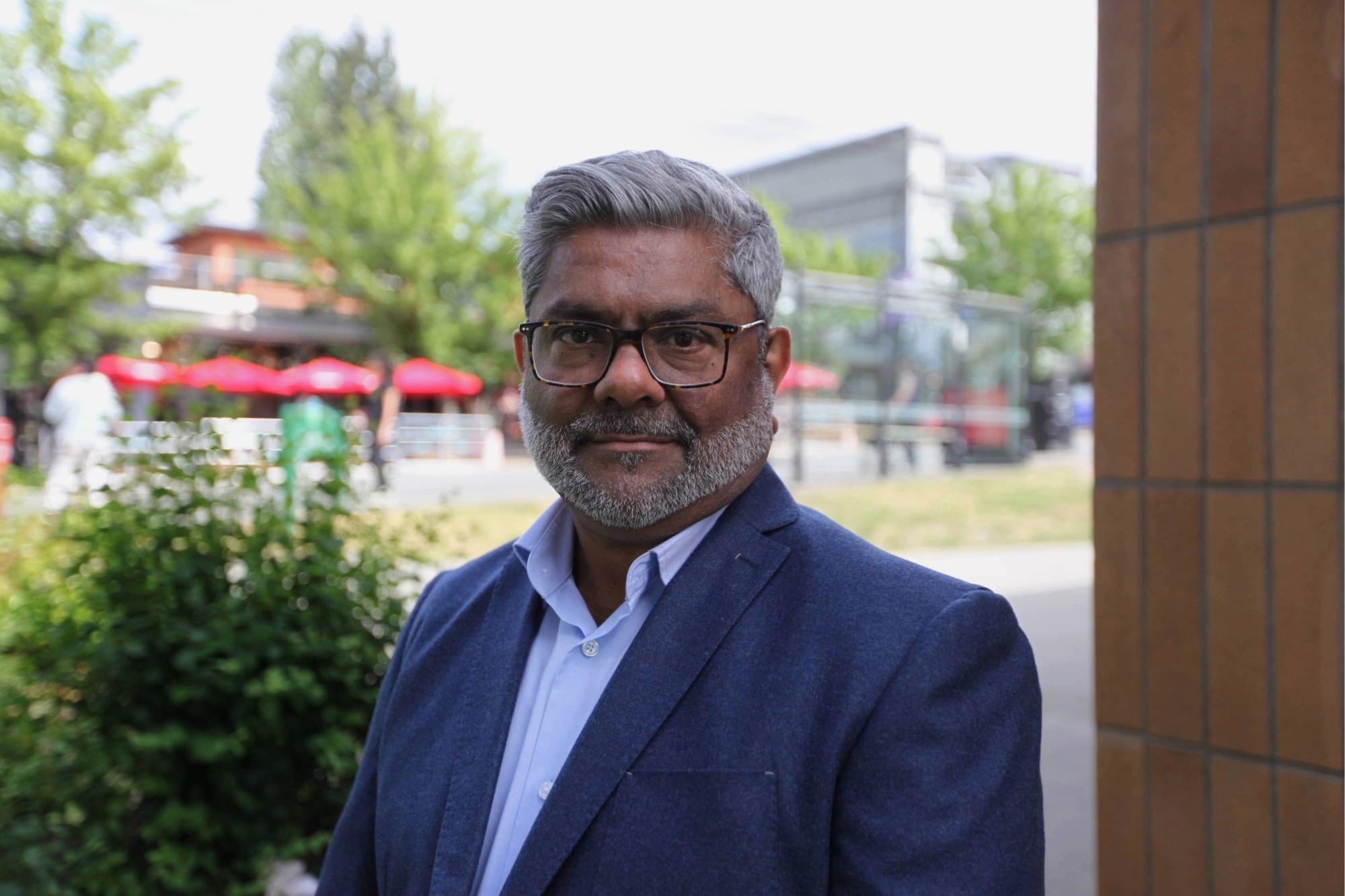
‘Police become the front-line for the Canada Border Services Agency,’ says Zool Suleman. Photos by David P. Ball/De Facto
Given the way that immigrants are being treated there, if a refugee came here via the US and is then deported because of one of these police interactions — would you be concerned about putting them in potential danger?
The issue of Canada returning claimants back to America — and the Safe Third Country issue — has been litigated in terms of whether Canada is breaching its obligations.
But it is very much a live question because if Canada sends people back, it's very hard to know if they are going to get a full and fair hearing, or if they're going to get incarcerated and deported right away.
With this dataset you're talking about, and these broader issues, this is not a good time for refugees in Canada; it's a bad time, it's a time of incredible uncertainty.
For racialized immigrants who are working their way through the immigration system, or recent arrivals, it's a very precarious time for them.
Because the kind of certainty they're seeking — that their rights will be protected, that they will be treated fully and fairly — that is very much under question right now.
So I think we need to be very careful that we don't slip, in Greater Vancouver and in Canada, towards an attitude that takes away rights from immigrants.
The credit is really due to reporting, to campaigning, to grassroots organizations who finally shamed and convinced and advocated to limit incarceration.
– Zool Suleman, MARU
If we deport somebody to the US, are they at risk of being put into a prison like ‘Alligator Alcatraz’?
It's very hard to know. Even Americans can't figure out what happens to people who are detained who have issues with their immigration status.
All we can do is rely on reports by human rights groups, activists, and governments that are reporting on what's going on.
So is it possible that someone who is returned back to the US could end up in a very difficult situation? Absolutely. It's becoming very unsafe, and it's a very fluid and unsafe situation right now.
There is also concern about the immigration detention centres being put up there.
Over two or three decades, there's been a campaign to not incarcerate refugee claimants unless they're a major risk, and to not have provincial jails — or in some instances federal jails — being used to incarcerate migrants who are in the middle of various hearings or processes.
The campaign has been largely successful. Agreements between Canada Border Services Agency and provincial jails have largely been cancelled. Canada Border Services is detaining less people. Canada Border Services is managing its own facilities for the most part.
A three-decades-long campaign to not incarcerate refugee claimants and people in the immigration system has largely been successful — not totally, but largely — an example where Canada has actually differentiated itself from issues south of us.
Now, will that change again? I don't know. Many people suffered while all this was going on. But, on some level, there was success.
But the credit is really due to reporting, to campaigning, to grassroots organizations who finally shamed and convinced and advocated to limit incarceration.

Editors: David P. Ball & Mike Graeme. Intro and transcription by David P. Ball.

Dustin Godfrey
Dustin (they/them) is a De Facto member and a reporter based in so-called Vancouver, BC, on Sḵwx̱wú7mesh, xʷməθkʷəy̓əm, and səlilwətaɬ territories. Their work has also appeared in The Guardian, The Tyee, The Globe and Mail, The Maple, Filter Magazine and an independent newsletter where they’ve focused on policing, drug policy, health and housing. They've won awards from the Jack Webster Foundation, Canadian Community Newspaper Association, BC and Yukon Community NewsMedia Association. Read their reporting